The Kharon Global Summit is not an annual fixture. It is convened when the stakes, and the questions, warrant it. When the pace of change in global risk and decision-making outpaces the systems and frameworks built to manage it. When the people shaping policy, leading global institutions, and building compliance infrastructure need to be in the same room.
It has happened twice, and it’s back again in 2025.
The event brought together senior thought leadership and expertise from OFAC and FinCEN, national security policymakers, former intelligence officials, C-suite executives from HSBC, Citi, and global sovereign wealth, and international compliance leaders. The discussions moved from headline developments to structural implications and how institutions were responding in real time. Where enforcement might expand next and how far existing systems could stretch.
It has happened twice, and it’s back again in 2025.
2019 — A First Convening in New York
The first Summit was held in Manhattan in April 2019, during a period of accelerated sanctions activity and institutional uncertainty. At the time, the U.S. had recently withdrawn from the JCPOA and fully reimposed sanctions on Iran, while the Trump administration was escalating pressure on Venezuela through sweeping sanctions on its state-owned oil company.The event brought together senior thought leadership and expertise from OFAC and FinCEN, national security policymakers, former intelligence officials, C-suite executives from HSBC, Citi, and global sovereign wealth, and international compliance leaders. The discussions moved from headline developments to structural implications and how institutions were responding in real time. Where enforcement might expand next and how far existing systems could stretch.
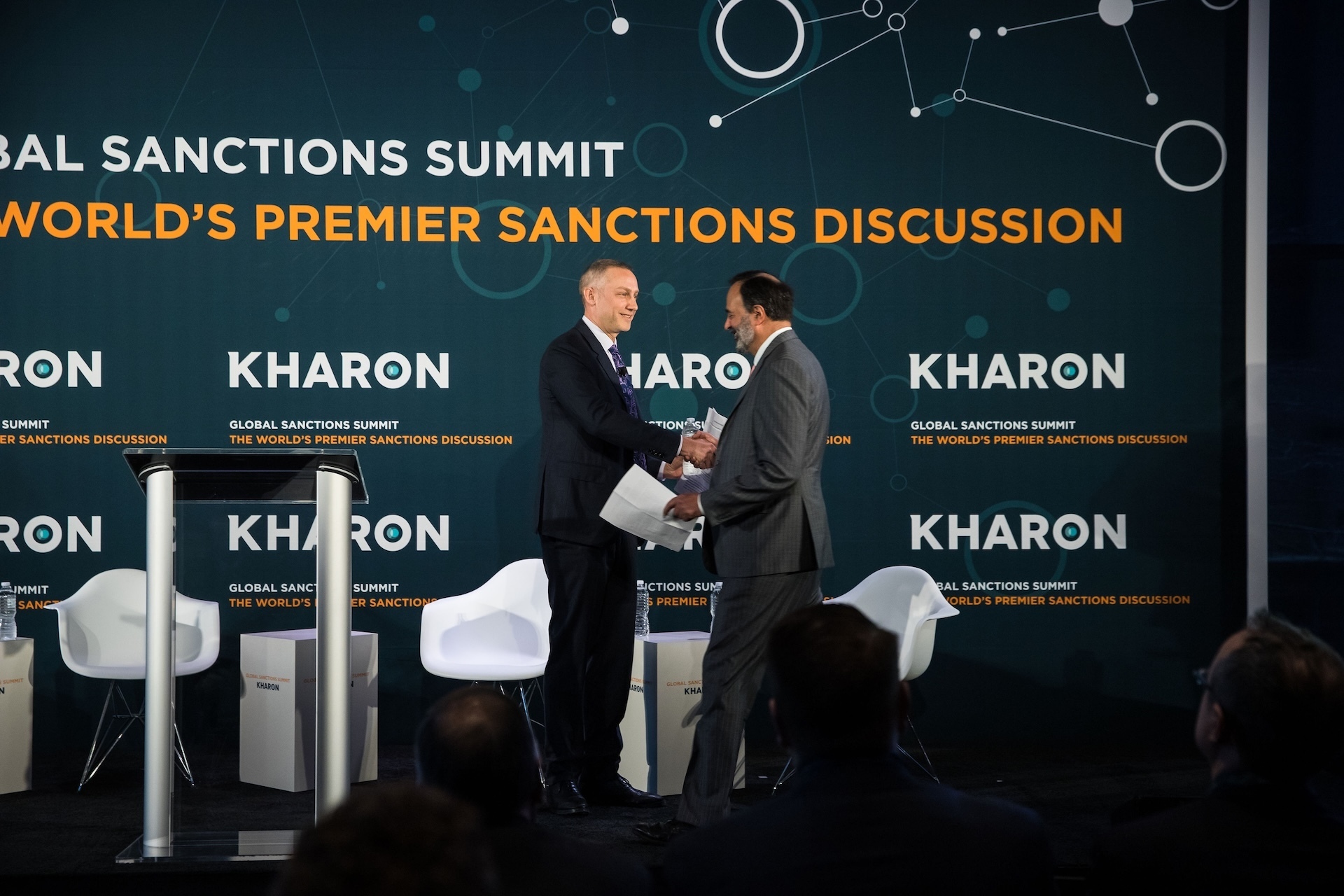
Kharon’s CEO and Chairman, Matthew Epstein, joined by Robert Werner, former Director of the Office of Foreign Assets Control (OFAC) & FinCEN, U.S. Department of the Treasury
Exchanges throughout the day made clear that even at the highest levels, there are different approaches to complex policy decisions. Conversations also examined sanctions evasion through digital assets, human rights as a compliance risk vector, and the practical limits of rule-based programs.
The application of technology to improve efficiency and outcomes was a throughline.
Russia’s invasion of Ukraine had forced a rapid expansion of trade controls and financial restrictions. Enforcement bodies were extending their reach beyond financial institutions, placing new expectations on corporations and investors with global operations. Compliance was no longer just a regulatory function – it was becoming a strategic input.
The application of technology to improve efficiency and outcomes was a throughline.
2023 — Expanded Scope in London
The second Summit convened in London in February 2023. The global risk environment had changed, and the Summit’s scope reflected that shift.Russia’s invasion of Ukraine had forced a rapid expansion of trade controls and financial restrictions. Enforcement bodies were extending their reach beyond financial institutions, placing new expectations on corporations and investors with global operations. Compliance was no longer just a regulatory function – it was becoming a strategic input.
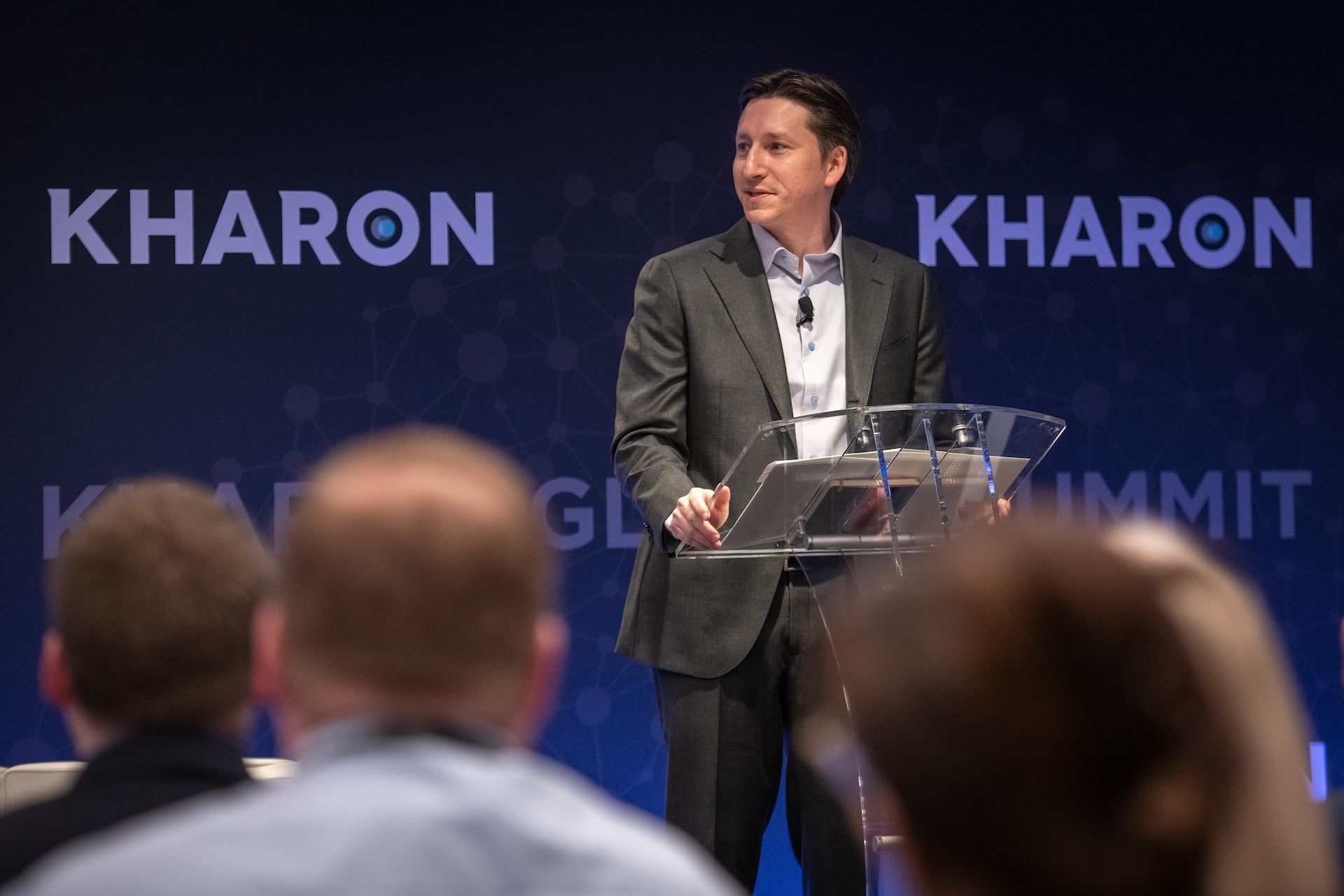
Benjamin Schmidt, Kharon’s President of Product and Technology, delivering opening remarks at the 2023 Kharon Global Summit in London.
In response, the agenda expanded – sanctions remained central, but were joined by topics on supply chain, investment risk, cryptocurrencies, and export controls. Speakers included senior officials from the U.S. Departments of the Treasury, Justice, and State, the UK’s Office of Financial Sanctions Implementation, Foreign, Commonwealth & Development Office, and Members of Parliament, as well as executive and compliance leadership from Microsoft, Bank of America, Binance, and HSBC.
Across sessions, several themes emerged, including:
Topics under consideration include:
Explore the 2025 agenda and request an invitation: kharon.com/summit
Across sessions, several themes emerged, including:
- The increasing overlap of policy domains: where national security, human rights, trade, and technology now intersect in regulation.
- The demand for real-time decision support, driven by regulatory velocity and geopolitical volatility.
- The growing role of insights and analytics in identifying risk before enforcement defines it.
2025 — Washington at the Forefront of Global Security Policy
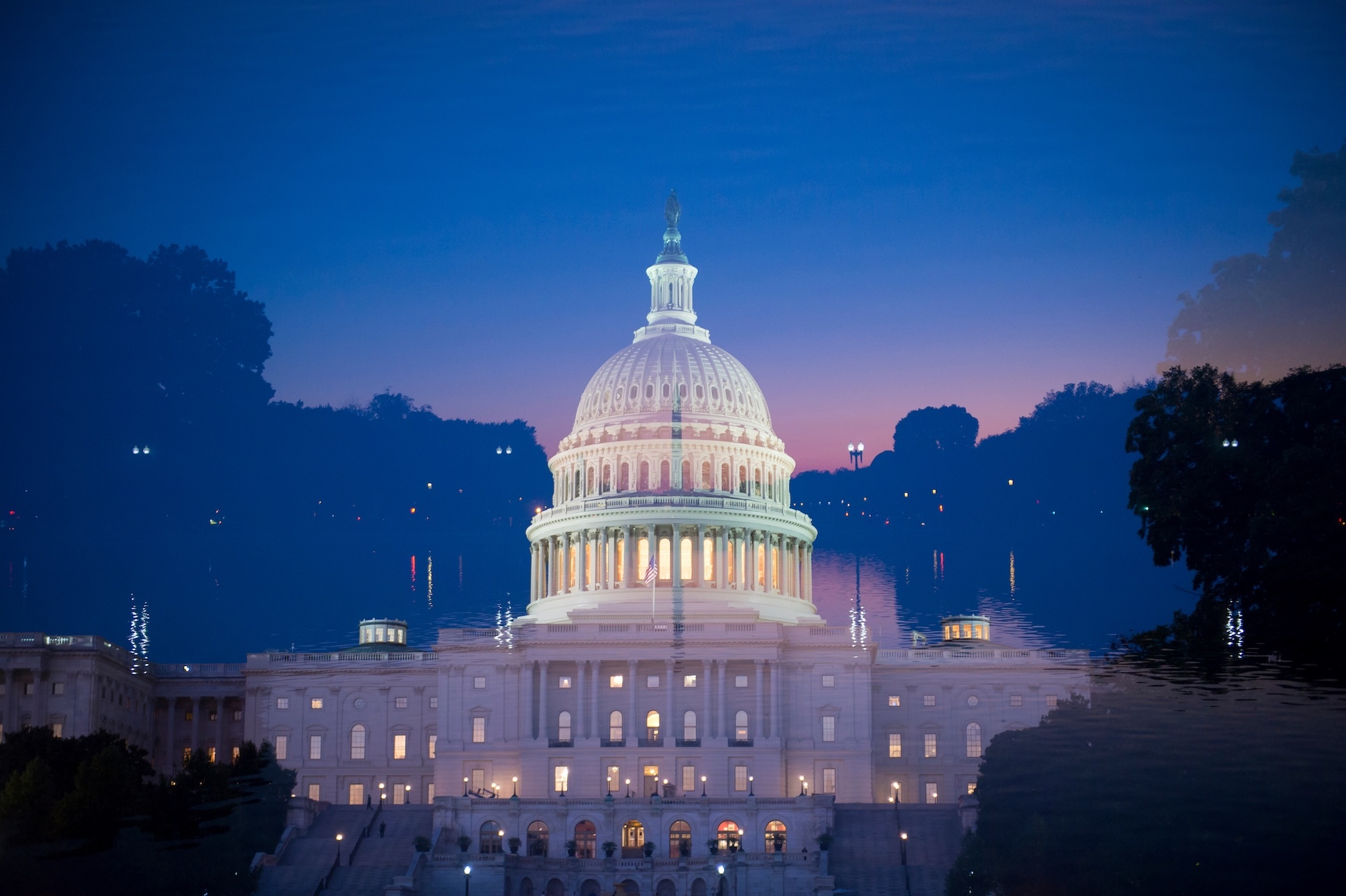
The next Kharon Global Summit convenes in Washington, D.C. – where securing interests is at the epicenter of global policymaking. Its agenda will reflect the next evolution in global risk management, shaped not just by regulatory priorities, but by operational complexity, technology disruption, and geopolitical acceleration.Topics under consideration include:
- Integration of defense and industrial policy into supply chain oversight.
- A deep dive into the precursor chemical suppliers, trafficking organizations, and money networks driving the global fentanyl crisis, and the compliance implications for financial institutions and multinational companies.
- Senior leaders from across finance and industry will discuss the evolving challenges, emerging opportunities, and practical strategies for building effective, scalable compliance programs in today’s complex regulatory environment.
- The institutional use of AI in compliance and regulatory enforcement.
- A discussion with the most seasoned national security leaders on the strategic priorities shaping U.S. national security today, examining the evolving relationship with China as well as broader challenges spanning technology competition, economic statecraft, supply chain resilience, and sanctions enforcement.
Explore the 2025 agenda and request an invitation: kharon.com/summit