New U.S. government guidance advises financial institutions to implement enhanced trade finance controls and use open-source information to inform due diligence and conduct investigations into possible Russia sanctions and export control evasion.
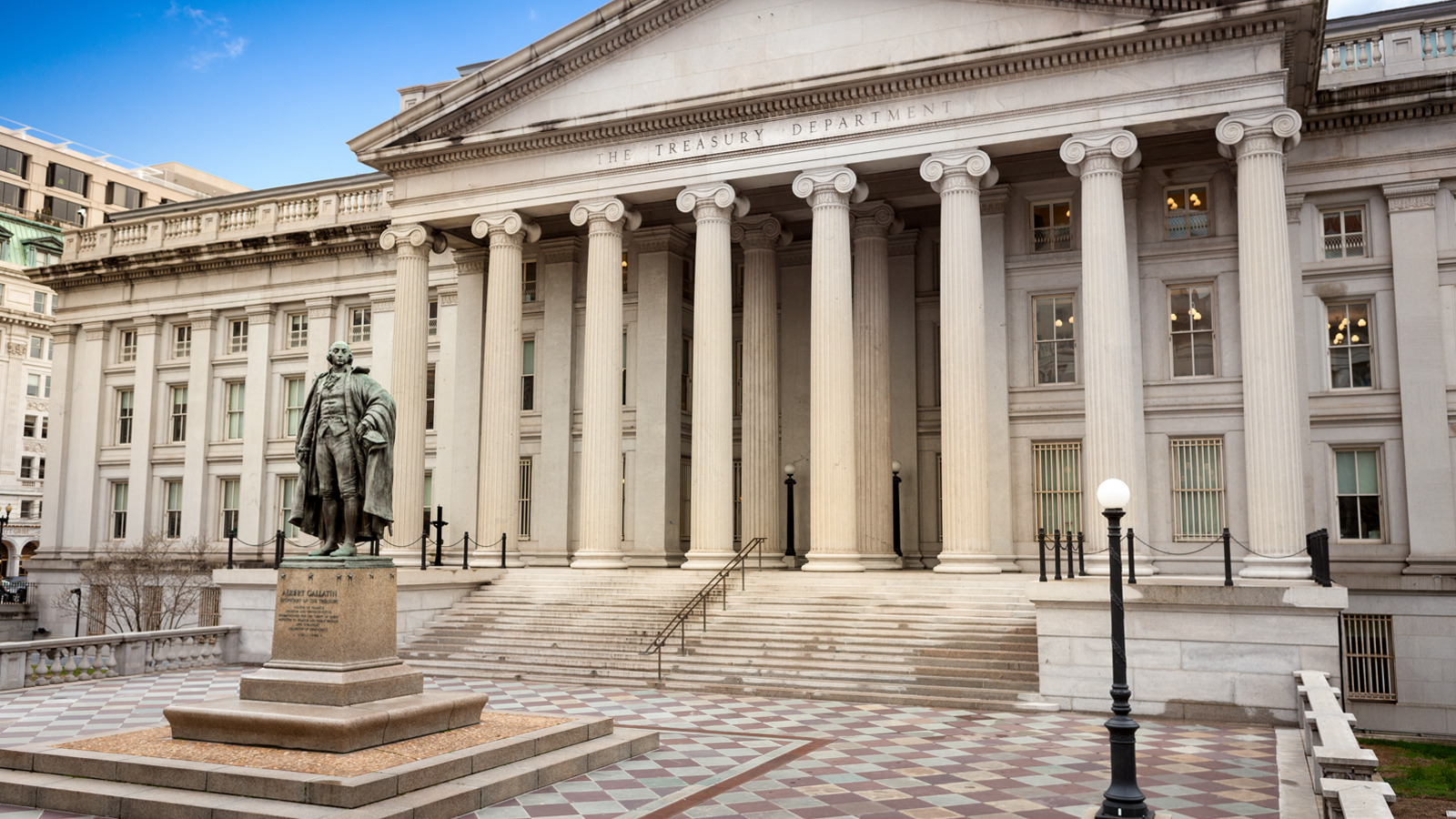
The Office of Foreign Assets Control (OFAC) of the U.S. Department of the Treasury issued a sanctions advisory in December on ways foreign financial institutions can identify sanctions risks and implement controls against facilitating transactions involving Russia’s military-industrial base.
The guidance highlights the types of activities that could expose financial institutions to U.S. sanctions and the steps they should take to minimize their risk of exposure.
The advisory was issued in conjunction with an executive order signed by President Biden, which gives the U.S. government the authority to impose sanctions on foreign financial institutions that facilitate Russia’s efforts to evade sanctions and procure products for its military.
“Foreign financial institutions that conduct or facilitate significant transactions or provide any service involving Russia’s military-industrial base run the risk of being sanctioned by OFAC,” the advisory noted.
The guidance listed a number of activities that could expose foreign financial institutions to U.S. sanctions.
Some of them include providing financial services to individuals, inside or outside of Russia, that support Russia’s military-industrial base; and facilitating the sale, supply or transfer of the specified items, such as numerically controlled (CNC) machine tools and semiconductor equipment, to Russian importers or companies shipping the goods to Russia.
The advisory also provided several steps financial institutions can take to identify and mitigate their risk of exposure related to activities involving Russia’s military-industrial base.
Some of those steps include reviewing an institution’s customer base to determine risk exposure to customers involved in the sale, supply or transfer of specified items to Russia or to jurisdictions that have been identified as posing a high-risk of Russia sanctions evasion; and using open-source information and past transactional activity to inform due diligence and conduct investigations into possible evasion.
The guidance comes as Russia continues to evade sanctions by using third-party intermediaries around the world to obtain high-priority goods critical to its military and weapons systems.
In November, Kharon reported on a case of a Türkiye-based trading company that served as an intermediary for receiving and shipping controlled products to a Russian customer despite export control restrictions that were imposed on Russia following the invasion of Ukraine in early 2022.
Kharon’s findings were reported as U.S. and EU authorities announced they were stepping up their enforcement actions to counter Russian evasion tactics.
The Office of Foreign Assets Control (OFAC) of the U.S. Department of the Treasury issued a sanctions advisory in December on ways foreign financial institutions can identify sanctions risks and implement controls against facilitating transactions involving Russia’s military-industrial base.
The guidance highlights the types of activities that could expose financial institutions to U.S. sanctions and the steps they should take to minimize their risk of exposure.
The advisory was issued in conjunction with an executive order signed by President Biden, which gives the U.S. government the authority to impose sanctions on foreign financial institutions that facilitate Russia’s efforts to evade sanctions and procure products for its military.
“Foreign financial institutions that conduct or facilitate significant transactions or provide any service involving Russia’s military-industrial base run the risk of being sanctioned by OFAC,” the advisory noted.
The guidance listed a number of activities that could expose foreign financial institutions to U.S. sanctions.
Some of them include providing financial services to individuals, inside or outside of Russia, that support Russia’s military-industrial base; and facilitating the sale, supply or transfer of the specified items, such as numerically controlled (CNC) machine tools and semiconductor equipment, to Russian importers or companies shipping the goods to Russia.
The advisory also provided several steps financial institutions can take to identify and mitigate their risk of exposure related to activities involving Russia’s military-industrial base.
Some of those steps include reviewing an institution’s customer base to determine risk exposure to customers involved in the sale, supply or transfer of specified items to Russia or to jurisdictions that have been identified as posing a high-risk of Russia sanctions evasion; and using open-source information and past transactional activity to inform due diligence and conduct investigations into possible evasion.
The guidance comes as Russia continues to evade sanctions by using third-party intermediaries around the world to obtain high-priority goods critical to its military and weapons systems.
In November, Kharon reported on a case of a Türkiye-based trading company that served as an intermediary for receiving and shipping controlled products to a Russian customer despite export control restrictions that were imposed on Russia following the invasion of Ukraine in early 2022.
Kharon’s findings were reported as U.S. and EU authorities announced they were stepping up their enforcement actions to counter Russian evasion tactics.