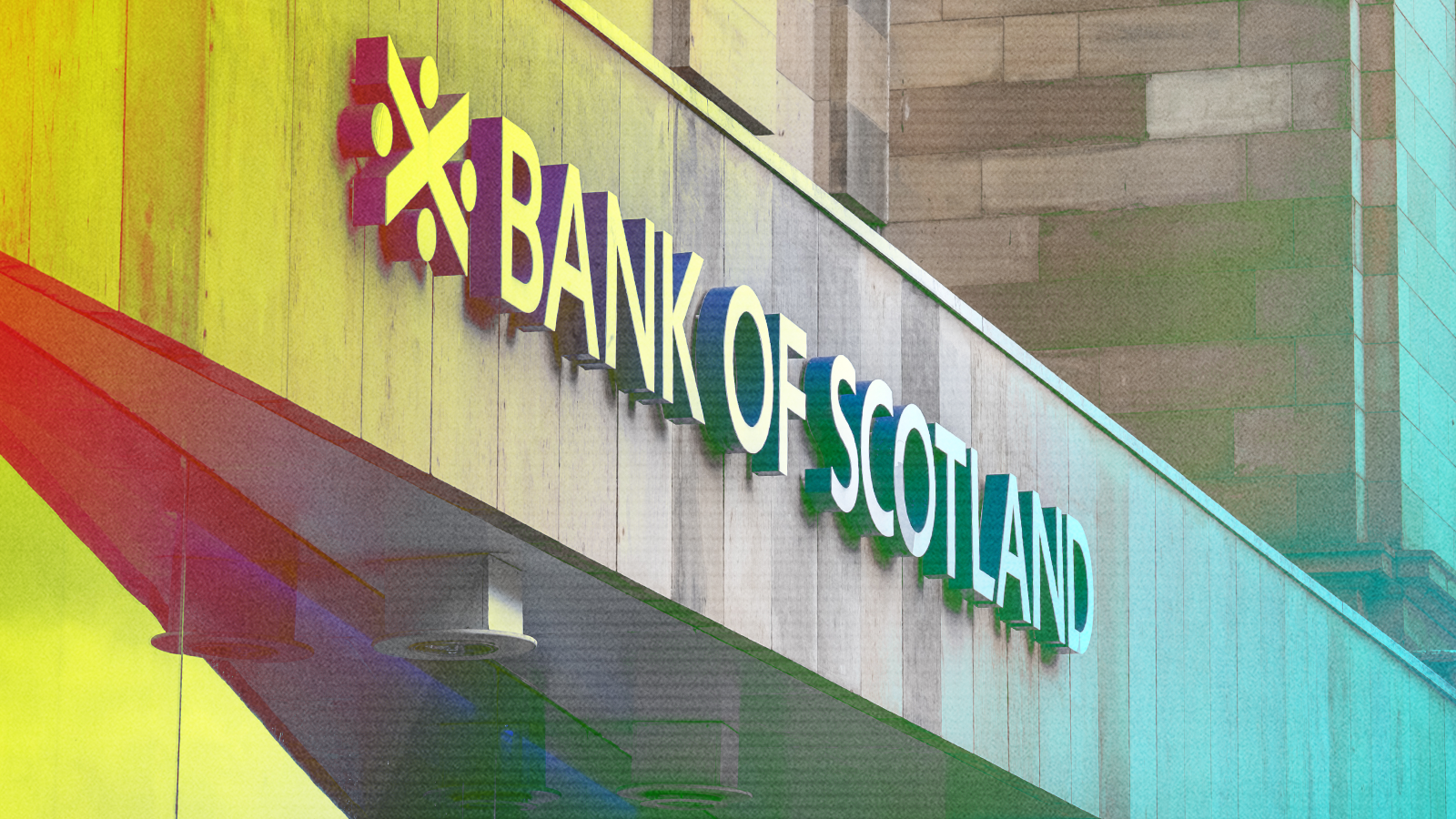
The U.K.’s Office of Financial Sanctions Implementation (OFSI) announced this week that it had fined Bank of Scotland £160,000 for Russia sanctions violations, after it processed two dozen payments for the account of a sanctioned but U.K.-based Vladimir Putin ally.
The enforcement action follows last year’s landmark conviction and sentencing of that politician, Dmitry Ovsyannikov, Russia’s former deputy minister of industry and trade, to 40 months in prison for circumventing sanctions and using criminal property.
Bank of Scotland’s parent, Lloyds Banking Group, disclosed the violations on its behalf, OFSI said—which turned out to be consequential.
The core problem stemmed from two spellings of Ovsyannikov’s name.
Backstory: The U.K. had designated Ovsyannikov, an ex-governor in Russian-annexed Crimea, in 2020 for supporting the government of Russia and for his involvement in “destabilising Ukraine.” Nonetheless, he successfully applied for a British passport in early 2023, citing eligibility through his British-born father, and established residency there.
In February 2023, Ovsyannikov then opened an account at Halifax Bank, a trading division within Bank of Scotland, into which his wife transferred approximately £76,000. (His wife was acquitted on her subsequent charges.) The U.K. passport that Ovsyannikov used when opening the account used a transliterated version of his name, which meant it varied slightly from his name as it appeared on OFSI’s sanctions list, it said this week.
Ovsyannikov proceeded to put a deposit down on a £54,000 luxury SUV, before the bank realized he was sanctioned and froze his account. With Ovsiannikov’s funds frozen, his brother bought the car and later paid school fees for Ovsyannikov’s children, in what the U.K. determined was an attempt to circumvent his U.K. sanctions.
The enforcement action follows last year’s landmark conviction and sentencing of that politician, Dmitry Ovsyannikov, Russia’s former deputy minister of industry and trade, to 40 months in prison for circumventing sanctions and using criminal property.
Bank of Scotland’s parent, Lloyds Banking Group, disclosed the violations on its behalf, OFSI said—which turned out to be consequential.
The core problem stemmed from two spellings of Ovsyannikov’s name.
Backstory: The U.K. had designated Ovsyannikov, an ex-governor in Russian-annexed Crimea, in 2020 for supporting the government of Russia and for his involvement in “destabilising Ukraine.” Nonetheless, he successfully applied for a British passport in early 2023, citing eligibility through his British-born father, and established residency there.
In February 2023, Ovsyannikov then opened an account at Halifax Bank, a trading division within Bank of Scotland, into which his wife transferred approximately £76,000. (His wife was acquitted on her subsequent charges.) The U.K. passport that Ovsyannikov used when opening the account used a transliterated version of his name, which meant it varied slightly from his name as it appeared on OFSI’s sanctions list, it said this week.
Ovsyannikov proceeded to put a deposit down on a £54,000 luxury SUV, before the bank realized he was sanctioned and froze his account. With Ovsiannikov’s funds frozen, his brother bought the car and later paid school fees for Ovsyannikov’s children, in what the U.K. determined was an attempt to circumvent his U.K. sanctions.
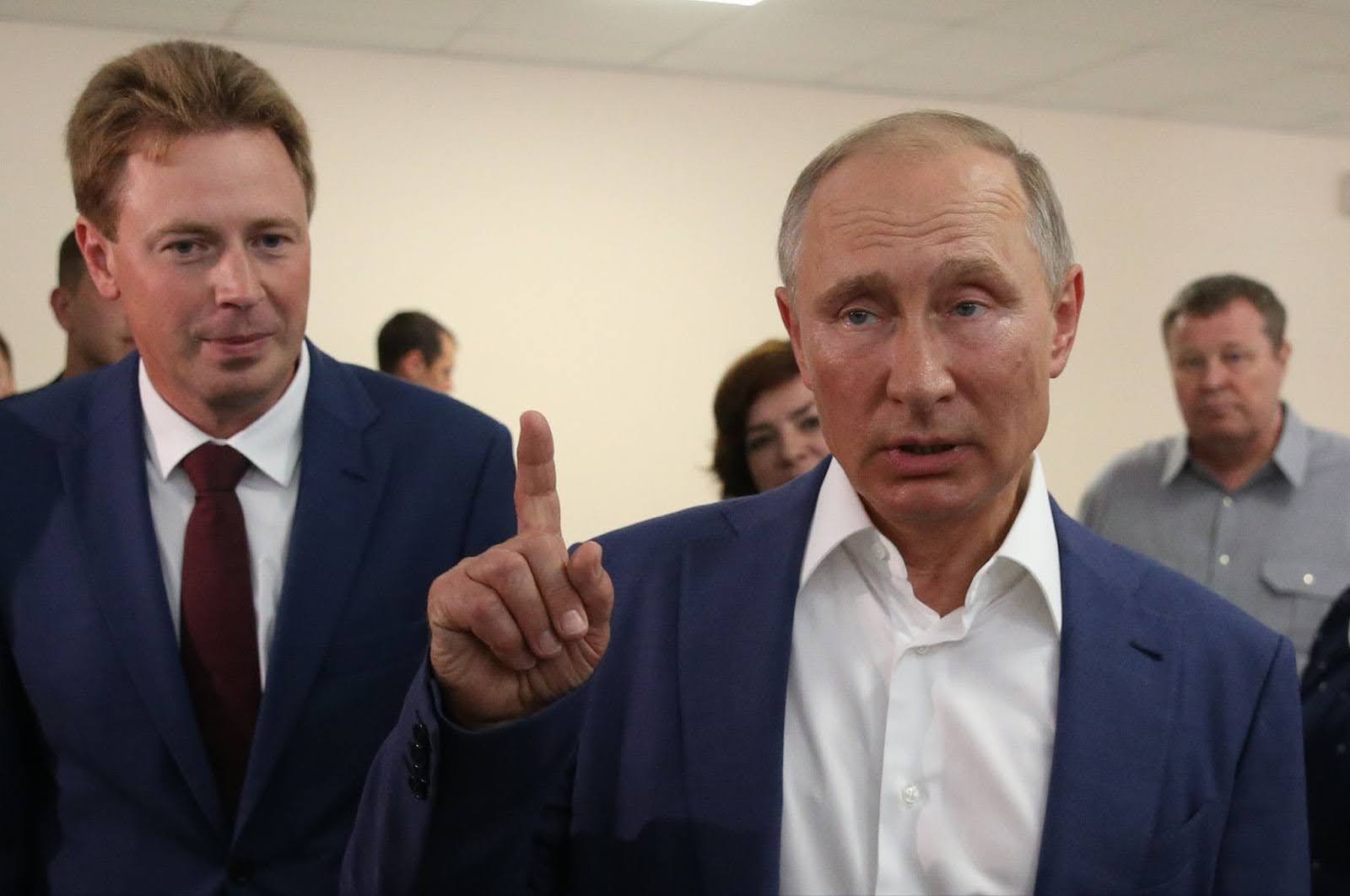
Dmitry Ovsyannikov, left, visits a school in Russian-annexed Crimea with Russian President Vladimir Putin in 2017. Ovsyannikov, who was then the appointed governor of Sevastopol, later relocated to the U.K. (Mikhail Svetlov/Getty Images)
The bank’s violations: All told, OFSI said, Bank of Scotland processed 24 payments to or from Ovsyannikov’s account between Feb. 8 and Feb. 24. It concluded that the bank’s actions violated two of its Russia-related regulations:
The office cited two related “key issues” that it said contributed to the bank’s screening system’s failure to identify Ovsiannikov as a blocked person.
One takeaway: Whether it’s missing a different spelling of a sanctioned individual’s name, ignoring a company’s alias or a delay in obtaining ownership information, costly sanctions-violation cases often can hinge on small details.
Read more from the Kharon Brief:
- Regulation 11, which bars dealing with “funds or economic resources owned, held or controlled by a designated person if [one] knows, or has reasonable cause to suspect, that [they are] dealing with such funds or economic resources.”
- Regulation 12, which bars making funds “available directly or indirectly to a designated person if [one] knows, or has reasonable cause to suspect, that [they are] making the funds so available.”
The office cited two related “key issues” that it said contributed to the bank’s screening system’s failure to identify Ovsiannikov as a blocked person.
- The system “did not reconcile” the differences between Ovsyannikov’s name as it appeared in OFSI’s sanctions list and how it appeared on his U.K. passport, which included “a changed character and an additional character” in his first name, a missing middle name and a changed character in his surname.
- The system “lacked sufficient enhancement, from either commercial third parties or the bank itself, to reconcile the spelling variations.”
One takeaway: Whether it’s missing a different spelling of a sanctioned individual’s name, ignoring a company’s alias or a delay in obtaining ownership information, costly sanctions-violation cases often can hinge on small details.
Read more from the Kharon Brief: