But the document charts more than just a diplomatic vision for the Trump administration. It also sets a new, more transactional regulatory blueprint, one that puts supply chains and export-controls compliance on the front line of U.S. national security.
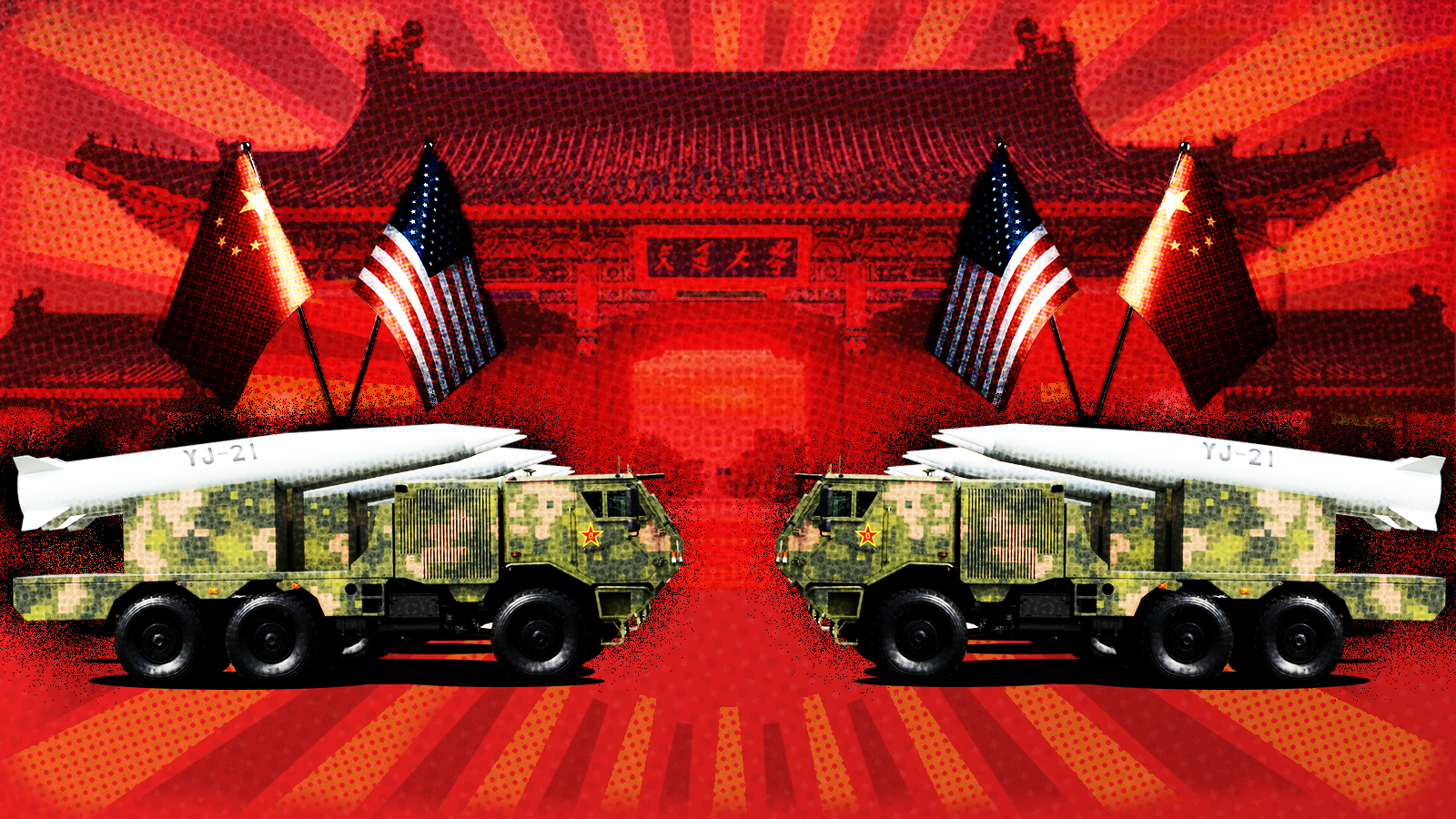
And however the strategy might phrase things, combating China’s advances is its focus, just like the defense bill that passed the House last week.
Here are four pieces to know.
1. Aligning on Export Controls Gains a New Importance
“[T]he United States will organize a burden-sharing network, with … targeted partnerships that use economic tools to align incentives, share burdens with like-minded allies, and insist on reforms that anchor long-term stability. …
“The United States will stand ready to help–potentially through more favorable treatment on commercial matters, technology sharing, and defense procurement–those countries that willingly take more responsibility for security in their neighborhoods and align their export controls with ours.”
The implications: Alignment with the U.S. on national-security-related export controls is now a currency for commercial access to the American market. Allies who harmonize their export-controls regimes with the United States (specifically regarding China) may receive exemptions and streamlined technology transfer authorizations, such as for advanced computing chips.
2. Squeezing China out of the Western Hemisphere
“[W]e want a Hemisphere that remains free of hostile foreign incursion or ownership of key assets, and that supports critical supply chains; and we want to ensure our continued access to key strategic locations.”
"The United States must be preeminent in the Western Hemisphere as a condition of our security and prosperity. … The terms of our alliances, and the terms upon which we provide any kind of aid, must be contingent on winding down adversarial outside influence – from control of military installations, ports, and key infrastructure to the purchase of strategic assets broadly defined."
The “terms of any kind of aid,” the document goes on to say, are “contingent on winding down adversarial outside influence,” a likely nod to Chinese infrastructure investment in Latin America. It argues that such inroads by “non-Hemispheric competitors … disadvantage us economically in the present, and in ways that may harm us strategically in the future.”
The implications: Where prior versions have emphasized the Asia-Pacific, this National Security Strategy places its heightened focus on the Western Hemisphere, which it frames as a key channel for illicit drug trafficking, expanding influence by U.S. adversaries and a critical arena for supply chain security.
3. Supply Chain Security Is National Security
“We must re-secure our own independent and reliable access to the goods we need to defend ourselves and preserve our way of life. This will require expanding American access to critical minerals and materials while countering predatory economic practices.
“Moreover, the Intelligence Community will monitor key supply chains and technological advances around the world to ensure we understand and mitigate vulnerabilities and threats to American security and prosperity.”
The implications: The emphasis on “independent and reliable access” signals a shift away from globally optimized supply chains for strategic goods and toward U.S. or allied control over them.
Reflecting that shift, future enforcement actions (whether from Commerce’s Bureau of Industry and Security or from Treasury’s Office of Foreign Assets Control) may now be driven by intelligence regarding transshipment, obfuscated ownership, evasion and end-user diversion.
4. Preserving a U.S. Edge in Emerging Tech
“We want to ensure that U.S. technology and U.S. standards – particularly in AI, biotech, and quantum computing – drive the world forward.”
“The United States must at the same time invest in research to preserve and advance our advantage in cutting-edge military and dual-use technology, with emphasis on the domains where U.S. advantages are strongest.”
The implications: Part of “preserving” U.S. superiority means locking adversaries out of the foundational architecture of future tech. The focus on “standards” implies a tighter scrutiny on knowledge transfers—such as through university research, joint ventures and technical data exchange—treating them as strictly as shipments of physical goods. Aggressive U.S. trade controls seem likely to follow.