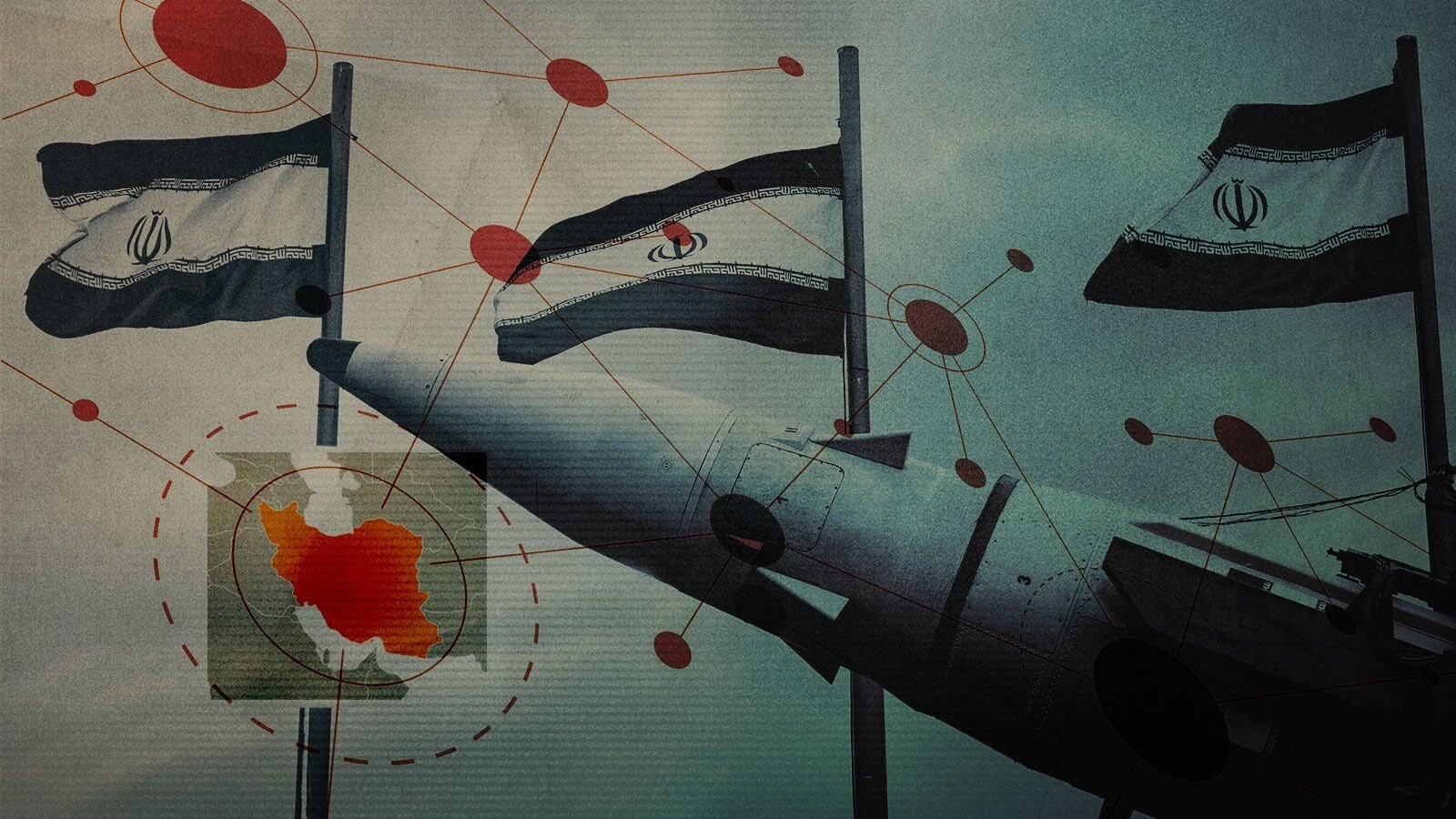
Treasury Secretary Scott Bessent on Wednesday outlined the United States’ commitment to applying economic pressure “to the maximum extent possible” against Iran, singling out its oil sector and the “wide-ranging financial networks” that sustain it.
Speaking at the FinCEN Iran Maximum Pressure and Counter Terrorism (IMPACT) Exchange Series, Bessent connected recent Treasury designations to the Trump administration’s renewed “maximum pressure” campaign.
“Treasury has launched a comprehensive sanctions campaign, targeting every stage of Iran’s oil supply chain, from extraction to sale and financial settlement,” Bessent said. The end goal, President Trump said in a February memorandum, is to “drive Iran’s export of oil to zero.”
And Bessent called for private-sector collaboration in that effort.
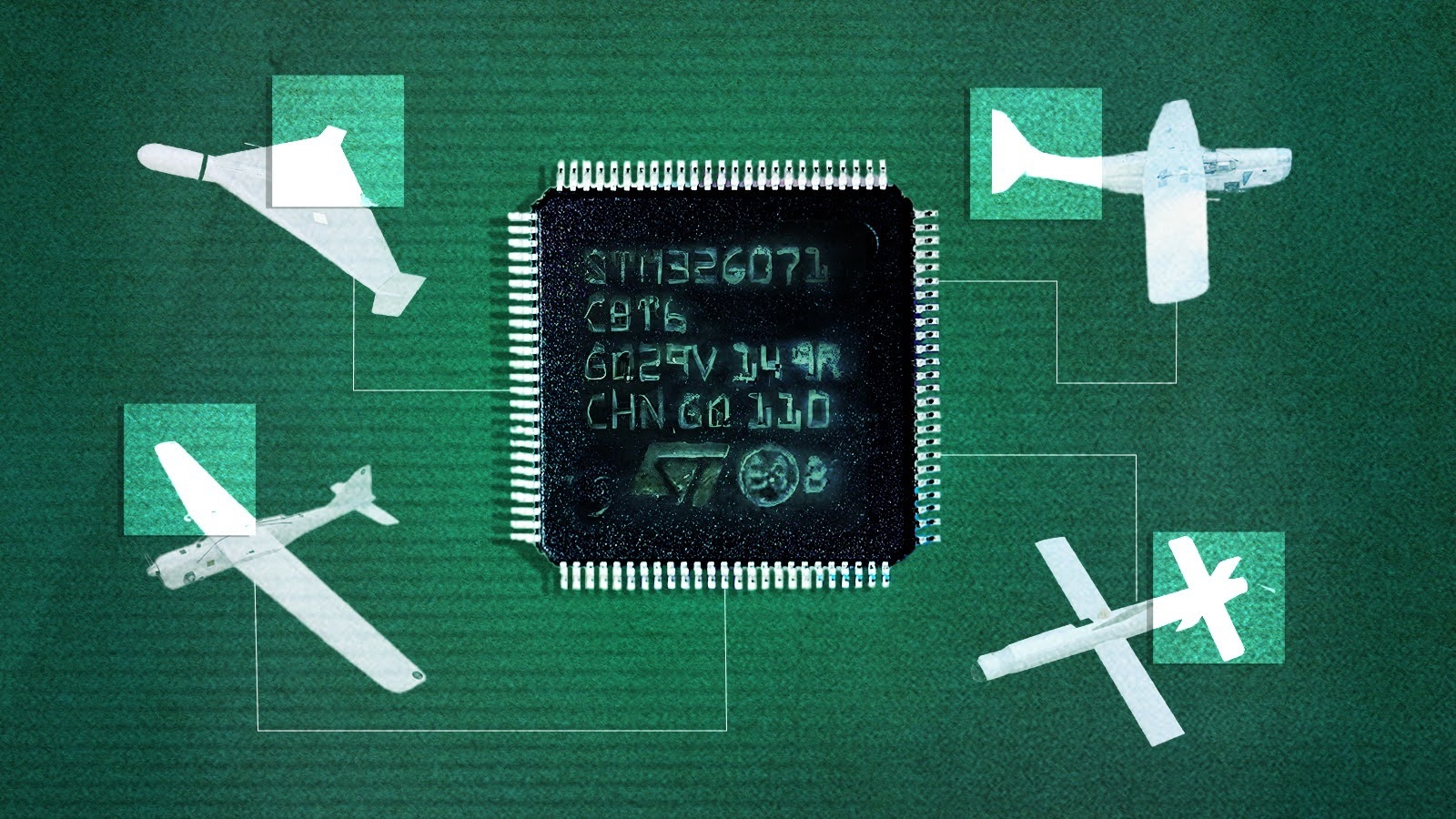
For context: Bessent’s remarks followed a series of U.S. designations that have hit Iranian entities, non-Iranian entities that facilitate its global oil exports and drone production, and Iran’s proxy groups, including the Houthis in Yemen and Hizballah in Lebanon.
He underlined on Wednesday what he called Iran’s “shadow banking” system of financial facilitators that enables it, he said, to sell its oil and other goods, “generate hard currency,” and circumvent sanctions. Asian, Middle Eastern and Western financial institutions have handled transactions for sanctioned Iranian companies that have helped keep Iran’s economy afloat, the Wall Street Journal reported in 2022.
Bessent referenced a March 20 designation by the Office of Foreign Assets Control (OFAC) against a Chinese “teapot” oil refinery and its CEO, for purchasing and refining Iranian crude oil linked to the Houthis and Iran's defense ministry.
Know your terms: A teapot oil refinery is a small, independently owned refinery in China that, in theory, operates separately from state-owned oil companies.
Such refineries have played a significant role in China’s domestic fuel market, while also generating significant revenue for Iran, undermining international efforts to isolate it economically. Bessent called them “the primary economic lifeline for the Iranian regime.”
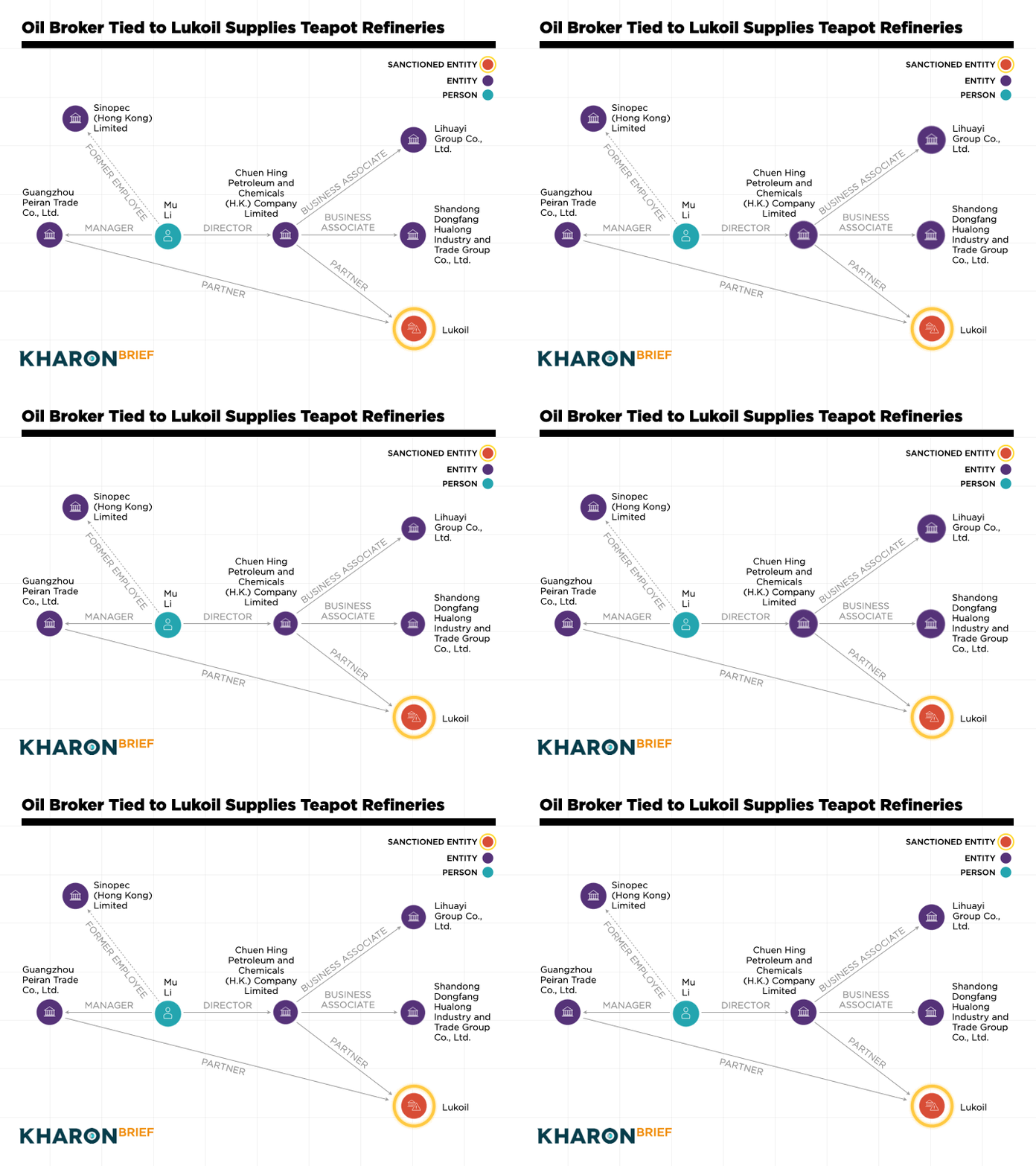
Case study: Illustrating these networks, a recent Kharon investigation has spotlighted the murky supply chains that facilitate how Iranian-origin petroleum may be quietly entering global markets through China’s teapot refineries.
At the center of this network is a Hong Kong-based oil broker, Chuen Hing Petroleum and Chemicals (H.K.) Company Limited, identified as a key intermediary supplying these small, privately owned refineries. Among Chuen Hing’s most prominent customers are Lihuayi Group Co., Ltd. and Shandong Dongfang Hualong Industry and Trade Group Co., Ltd., both of which have been flagged as major purchasers of Iranian crude.
But the chain extends further. Chuen Hing has also sourced oil from Lukoil, the sanctioned Russian energy giant, raising additional questions of how internationally restricted supplies circulate.
These overlapping connections underscore the complex pathways by which Iranian-origin crude can flow, with China’s loosely regulated teapot refineries serving as a potential conduit for sanctions-evasive petroleum to make its way to the global stage.
Speaking at the FinCEN Iran Maximum Pressure and Counter Terrorism (IMPACT) Exchange Series, Bessent connected recent Treasury designations to the Trump administration’s renewed “maximum pressure” campaign.
“Treasury has launched a comprehensive sanctions campaign, targeting every stage of Iran’s oil supply chain, from extraction to sale and financial settlement,” Bessent said. The end goal, President Trump said in a February memorandum, is to “drive Iran’s export of oil to zero.”
And Bessent called for private-sector collaboration in that effort.
For context: Bessent’s remarks followed a series of U.S. designations that have hit Iranian entities, non-Iranian entities that facilitate its global oil exports and drone production, and Iran’s proxy groups, including the Houthis in Yemen and Hizballah in Lebanon.
He underlined on Wednesday what he called Iran’s “shadow banking” system of financial facilitators that enables it, he said, to sell its oil and other goods, “generate hard currency,” and circumvent sanctions. Asian, Middle Eastern and Western financial institutions have handled transactions for sanctioned Iranian companies that have helped keep Iran’s economy afloat, the Wall Street Journal reported in 2022.
Bessent referenced a March 20 designation by the Office of Foreign Assets Control (OFAC) against a Chinese “teapot” oil refinery and its CEO, for purchasing and refining Iranian crude oil linked to the Houthis and Iran's defense ministry.
Know your terms: A teapot oil refinery is a small, independently owned refinery in China that, in theory, operates separately from state-owned oil companies.
Such refineries have played a significant role in China’s domestic fuel market, while also generating significant revenue for Iran, undermining international efforts to isolate it economically. Bessent called them “the primary economic lifeline for the Iranian regime.”
Case study: Illustrating these networks, a recent Kharon investigation has spotlighted the murky supply chains that facilitate how Iranian-origin petroleum may be quietly entering global markets through China’s teapot refineries.
At the center of this network is a Hong Kong-based oil broker, Chuen Hing Petroleum and Chemicals (H.K.) Company Limited, identified as a key intermediary supplying these small, privately owned refineries. Among Chuen Hing’s most prominent customers are Lihuayi Group Co., Ltd. and Shandong Dongfang Hualong Industry and Trade Group Co., Ltd., both of which have been flagged as major purchasers of Iranian crude.
But the chain extends further. Chuen Hing has also sourced oil from Lukoil, the sanctioned Russian energy giant, raising additional questions of how internationally restricted supplies circulate.
These overlapping connections underscore the complex pathways by which Iranian-origin crude can flow, with China’s loosely regulated teapot refineries serving as a potential conduit for sanctions-evasive petroleum to make its way to the global stage.
Kharon users can explore this Insight in greater detail through the ClearView platform.
Soundbite: It’s a core Trump administration goal, Bessent said, to “ensure the world’s premier financial system is simply inaccessible to those that undermine world order.”
He said that information-sharing resources such as the FinCEN Exchange program—a public-private partnership involving financial institutions, regulatory agencies and law enforcement—will be critical in that effort.
One more thing: The other administration priority that Bessent called out on Wednesday? Rooting out drug trafficking by Latin American cartels.
Read more from Kharon:
He said that information-sharing resources such as the FinCEN Exchange program—a public-private partnership involving financial institutions, regulatory agencies and law enforcement—will be critical in that effort.
One more thing: The other administration priority that Bessent called out on Wednesday? Rooting out drug trafficking by Latin American cartels.
Read more from Kharon: