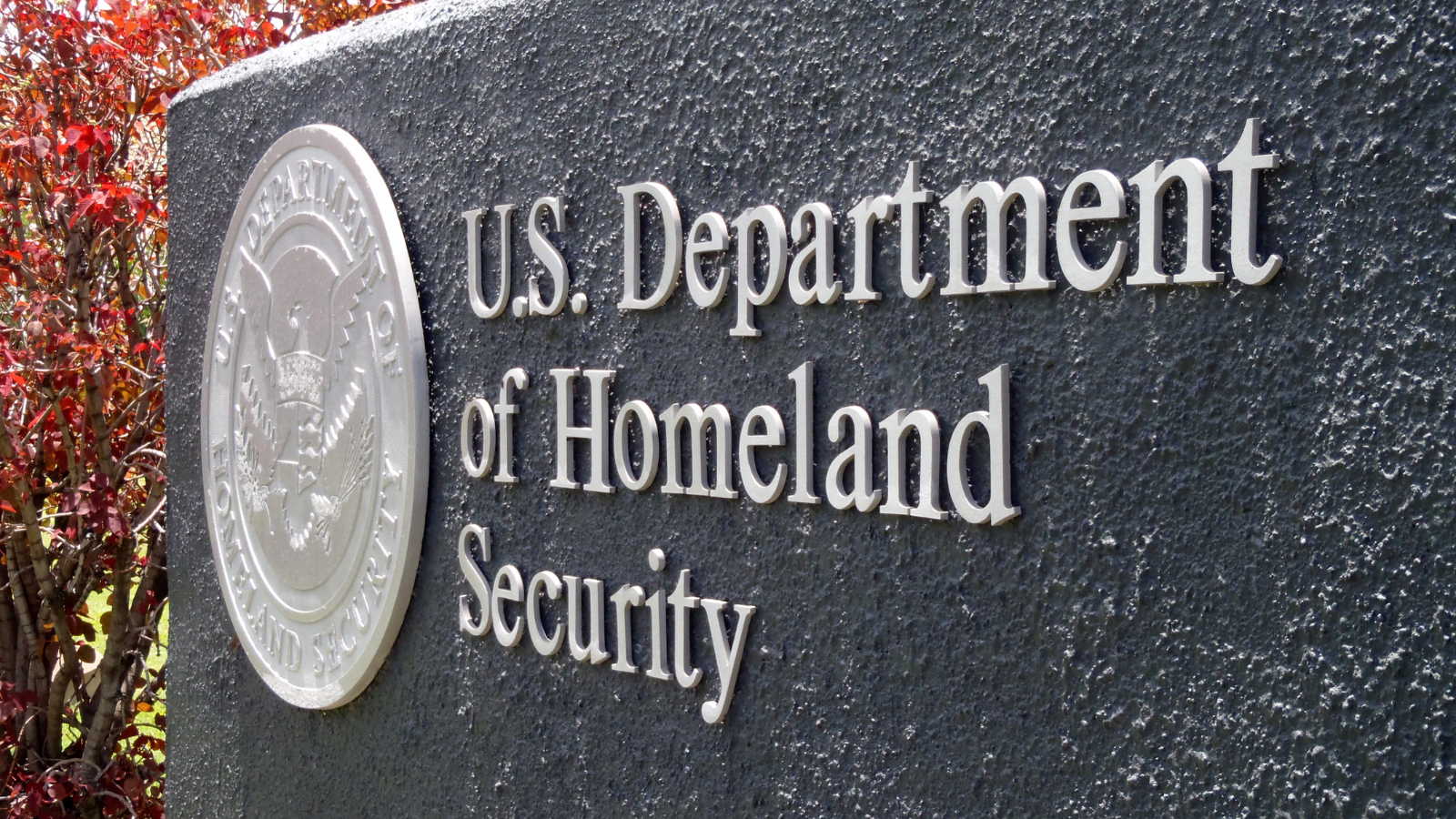
The Forced Labor Enforcement Task Force (FLETF), chaired by the U.S. Department of Homeland Security (DHS), released on Tuesday its updated Uyghur Forced Labor Prevention Act (UFLPA) strategy in which it identified new high priority-sectors for enforcement.
According to the update, these new sectors – aluminum, polyvinyl chloride (PVC), and seafood – are being targeted by the FLETF because of the high likelihood of exposure to forced labor activities involving Uyghurs and other persecuted minority groups in Xinjiang.
“The updated Uyghur Forced Labor Prevention Act Strategy and new high-priority sectors for enforcement announced today reflect the evolving and expanding scope of those who seek to circumvent the law and profit off the exploitation of abused people,” said DHS Secretary Alejandro Mayorkas.
These new sectors are the latest industries to be identified by the FLETF. The Task Force previously identified other industries, including apparel, cotton, silica-based products, and tomatoes. While enforcement of the UFLPA had long ago expanded beyond the initial high-priority sectors, this is the first time that new sectors have been officially identified since the UFLPA took effect in 2022.
“With identification of these sectors, importers will be on notice to more closely review each tier in their supply chains to enhance transparency and focus due diligence efforts on the supply chain nodes involving these sectors,” the Task Force’s strategy noted.
During an event hosted by the Center for Strategic and International Studies (CSIS) on Tuesday, Mayorkas said that companies need to learn and understand their supply chains and make sure they are free of forced labor, which may require “a significant paradigm shift” on the company’s part.
He observed that while some companies pay attention to the agency’s advanced warnings on forced labor, others do “not heed them in a timely fashion and suffer the enforcement consequences,” adding that the agency takes “a tough stand on that.”
“We’re not very accepting of a failure to address an enforcement and humanitarian imperative in a timely fashion,” he said.
This updated strategy follows DHS latest addition of three new entities to the UFLPA Entity List, bringing the total number of China-based companies added to the list to 68.
The three new companies, which were added in June, operate in the seafood, aluminum, and footwear industries; all had previously been identified by Kharon as presenting a forced labor risk.
Since the UFLPA took effect in 2022, Customs and Border Protection (CBP) has denied U.S. entry to over 3,500 shipments that are valued at over $695 million.
According to the update, these new sectors – aluminum, polyvinyl chloride (PVC), and seafood – are being targeted by the FLETF because of the high likelihood of exposure to forced labor activities involving Uyghurs and other persecuted minority groups in Xinjiang.
“The updated Uyghur Forced Labor Prevention Act Strategy and new high-priority sectors for enforcement announced today reflect the evolving and expanding scope of those who seek to circumvent the law and profit off the exploitation of abused people,” said DHS Secretary Alejandro Mayorkas.
These new sectors are the latest industries to be identified by the FLETF. The Task Force previously identified other industries, including apparel, cotton, silica-based products, and tomatoes. While enforcement of the UFLPA had long ago expanded beyond the initial high-priority sectors, this is the first time that new sectors have been officially identified since the UFLPA took effect in 2022.
“With identification of these sectors, importers will be on notice to more closely review each tier in their supply chains to enhance transparency and focus due diligence efforts on the supply chain nodes involving these sectors,” the Task Force’s strategy noted.
During an event hosted by the Center for Strategic and International Studies (CSIS) on Tuesday, Mayorkas said that companies need to learn and understand their supply chains and make sure they are free of forced labor, which may require “a significant paradigm shift” on the company’s part.
He observed that while some companies pay attention to the agency’s advanced warnings on forced labor, others do “not heed them in a timely fashion and suffer the enforcement consequences,” adding that the agency takes “a tough stand on that.”
“We’re not very accepting of a failure to address an enforcement and humanitarian imperative in a timely fashion,” he said.
This updated strategy follows DHS latest addition of three new entities to the UFLPA Entity List, bringing the total number of China-based companies added to the list to 68.
The three new companies, which were added in June, operate in the seafood, aluminum, and footwear industries; all had previously been identified by Kharon as presenting a forced labor risk.
Since the UFLPA took effect in 2022, Customs and Border Protection (CBP) has denied U.S. entry to over 3,500 shipments that are valued at over $695 million.