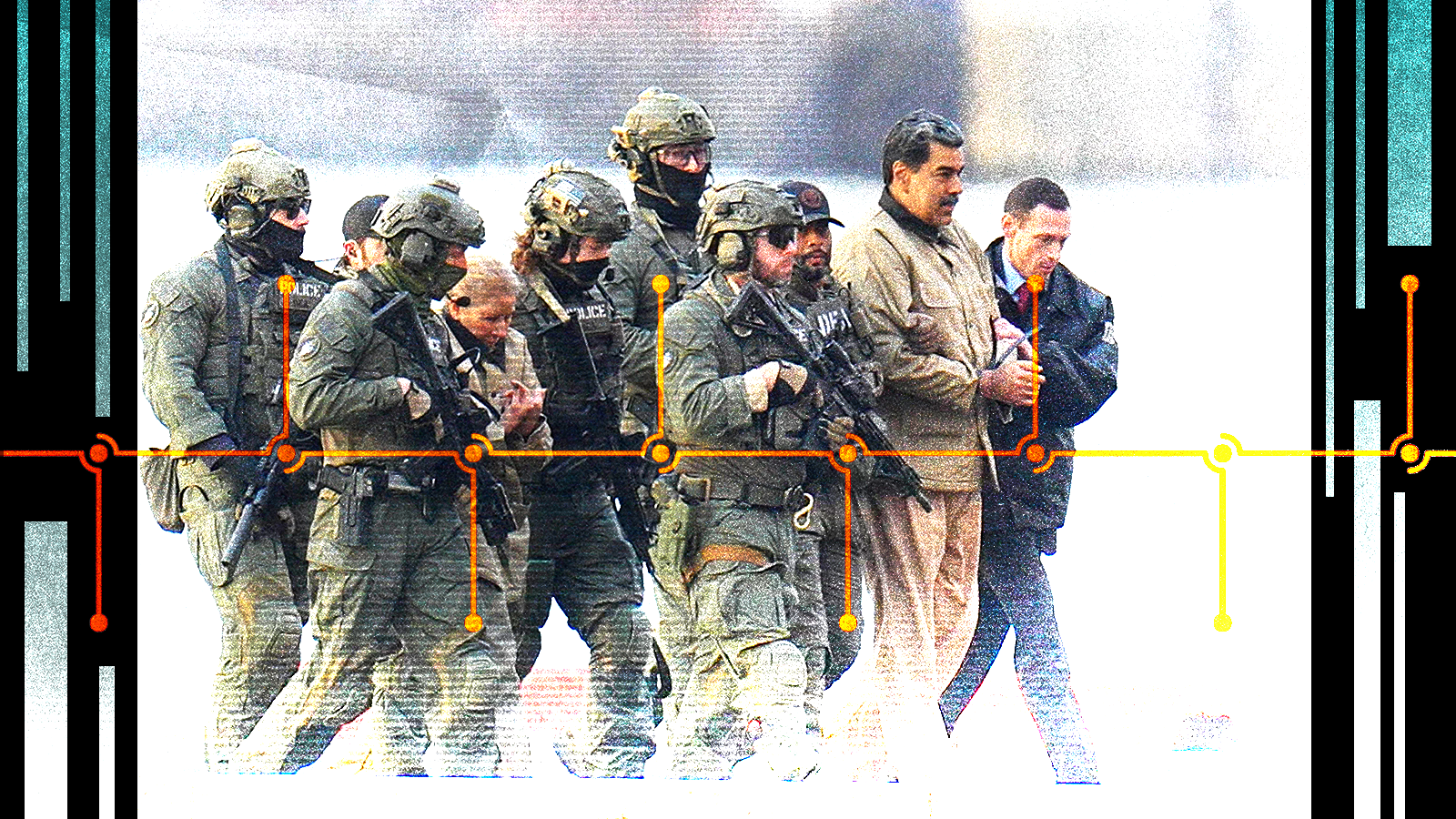
U.S. forces’ capture of Venezuelan leader Nicolás Maduro last weekend represented a drastic, globally consequential escalation in a decade-long American campaign to pressure him out of power.
A broadening net of sanctions was a central tool.
Kharon research traced how U.S. designations against Maduro and his regime’s facilitators mounted—both in Democrat-led drips and Trump-fueled floods—dating to 2015, coming to target more than 500 Venezuela-connected parties in all. Prominent among that tally are the Treasury Department’s remarkable 2017 sanctions on Maduro himself.
A broadening net of sanctions was a central tool.
Kharon research traced how U.S. designations against Maduro and his regime’s facilitators mounted—both in Democrat-led drips and Trump-fueled floods—dating to 2015, coming to target more than 500 Venezuela-connected parties in all. Prominent among that tally are the Treasury Department’s remarkable 2017 sanctions on Maduro himself.
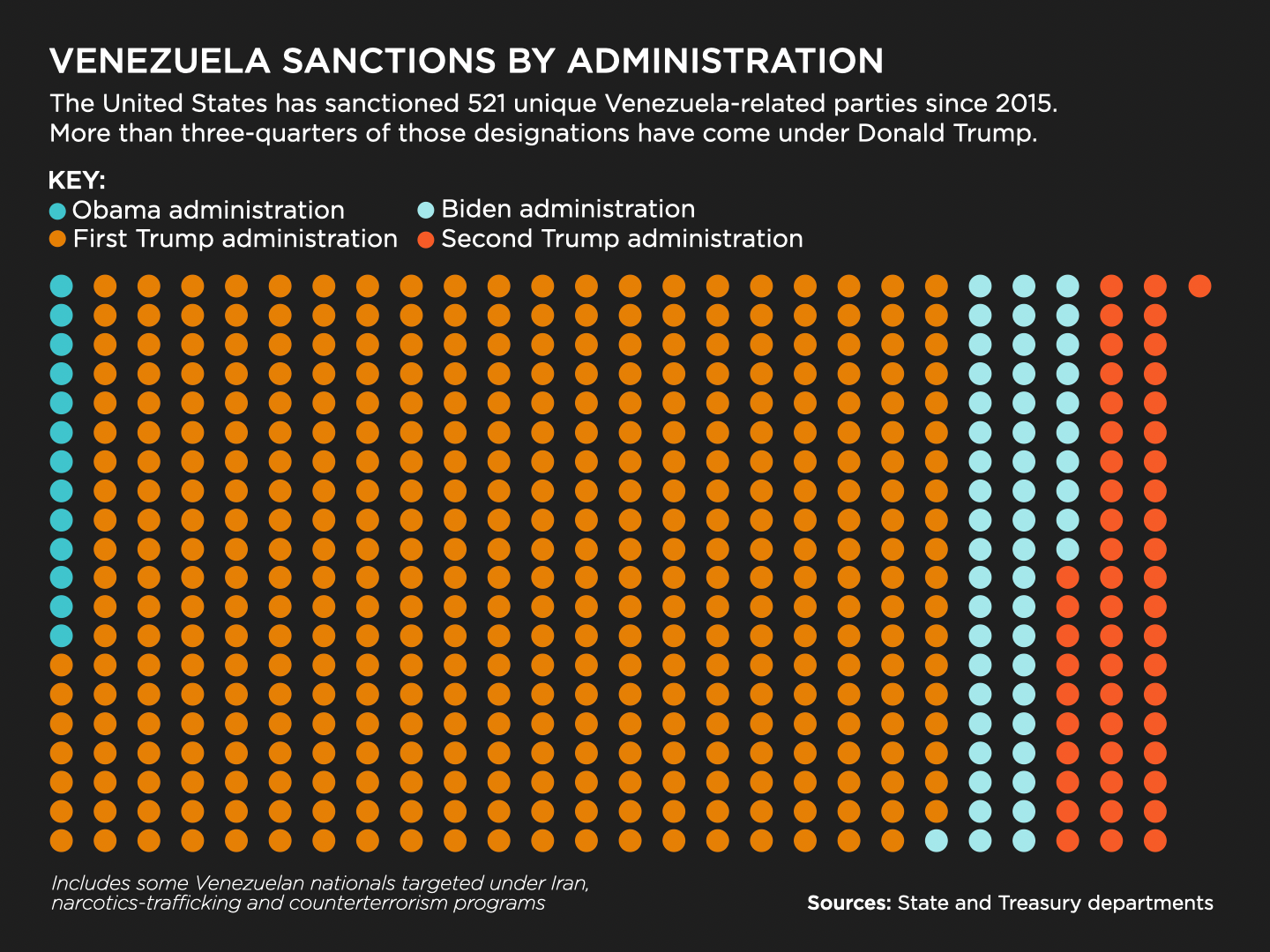
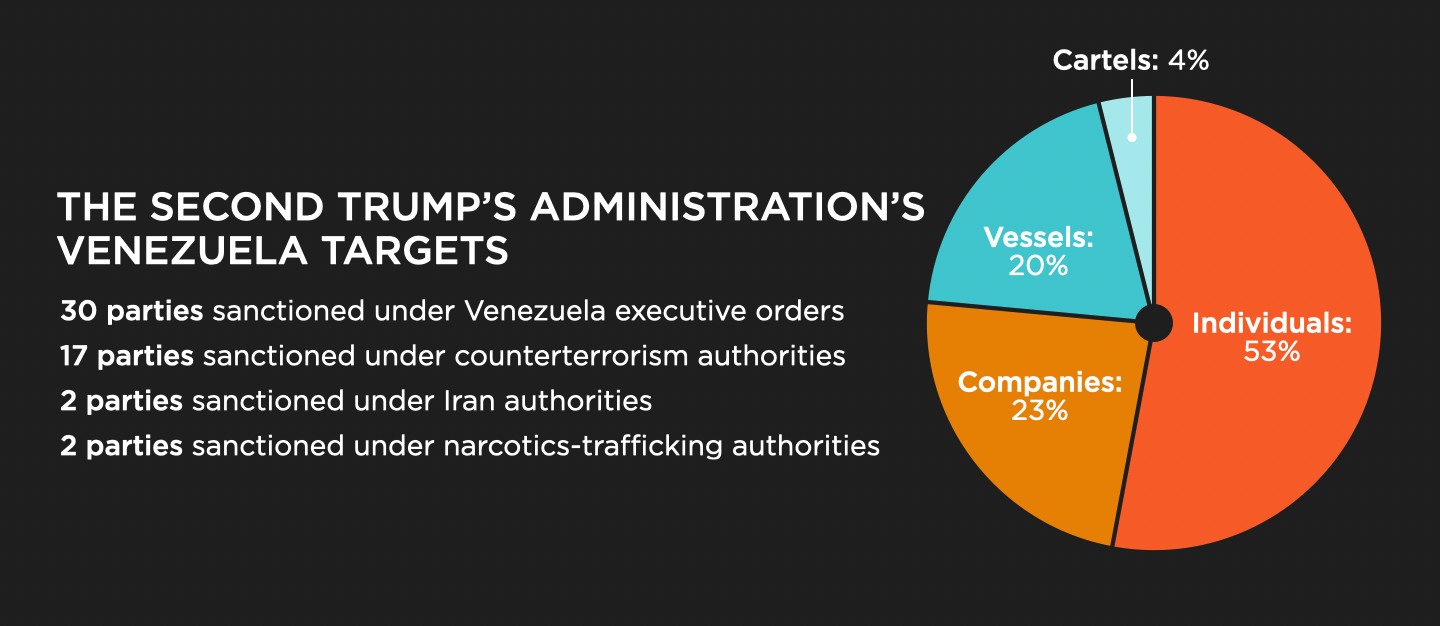
The Trump administration turned to much more aggressive tactics in 2025, most notably through its deadly boat strikes on alleged drug traffickers. Alongside them, the U.S. also piled on sanctions with new points of emphasis: countering terrorism and drug trafficking, rather than targeting those involved in corruption or undermining democracy or human rights. U.S. targets have expanded, too, from individual officials to entire industries and criminal networks.
Such sanctions continued right up until the year’s final day, three days before Maduro’s capture. Taken together, they help tell the story of how the U.S. and Venezuela arrived at this moment.
Teeing up future sanctions, the order declares “a national emergency with respect to the unusual and extraordinary threat to the national security and foreign policy of the United States posed by the situation in Venezuela.”
May 18: The Trump administration begins targeting Venezuelan leaders with sanctions, starting with eight members of that court.
July 31: The U.S. Treasury Department sanctions Maduro, along with other regime leaders, a day after his government held elections to replace Venezuela’s legislature with a new assembly. The move “follows years of Maduro's efforts to undermine Venezuela's democracy and the rule of law,” Treasury says.
Such sanctions continued right up until the year’s final day, three days before Maduro’s capture. Taken together, they help tell the story of how the U.S. and Venezuela arrived at this moment.
Obama administration: 13 Venezuela-related sanctions
March 9, 2015: President Obama imposes initial sanctions on seven Venezuelan leaders under a new executive order, in response to the Maduro government’s “erosion of human rights guarantees, persecution of political opponents, curtailment of press freedoms,” use of violence and corruption.Teeing up future sanctions, the order declares “a national emergency with respect to the unusual and extraordinary threat to the national security and foreign policy of the United States posed by the situation in Venezuela.”
- “We are committed,” it says, “to advancing respect for human rights, safeguarding democratic institutions, and protecting the U.S. financial system from the illicit financial flows from public corruption in Venezuela.”
First Trump administration: 406 Venezuela-related sanctions
April 2017: Venezuelan protests intensify and spread after Maduro allies on the country’s supreme court effectively dissolve its legislature, heightening a constitutional crisis.May 18: The Trump administration begins targeting Venezuelan leaders with sanctions, starting with eight members of that court.
July 31: The U.S. Treasury Department sanctions Maduro, along with other regime leaders, a day after his government held elections to replace Venezuela’s legislature with a new assembly. The move “follows years of Maduro's efforts to undermine Venezuela's democracy and the rule of law,” Treasury says.
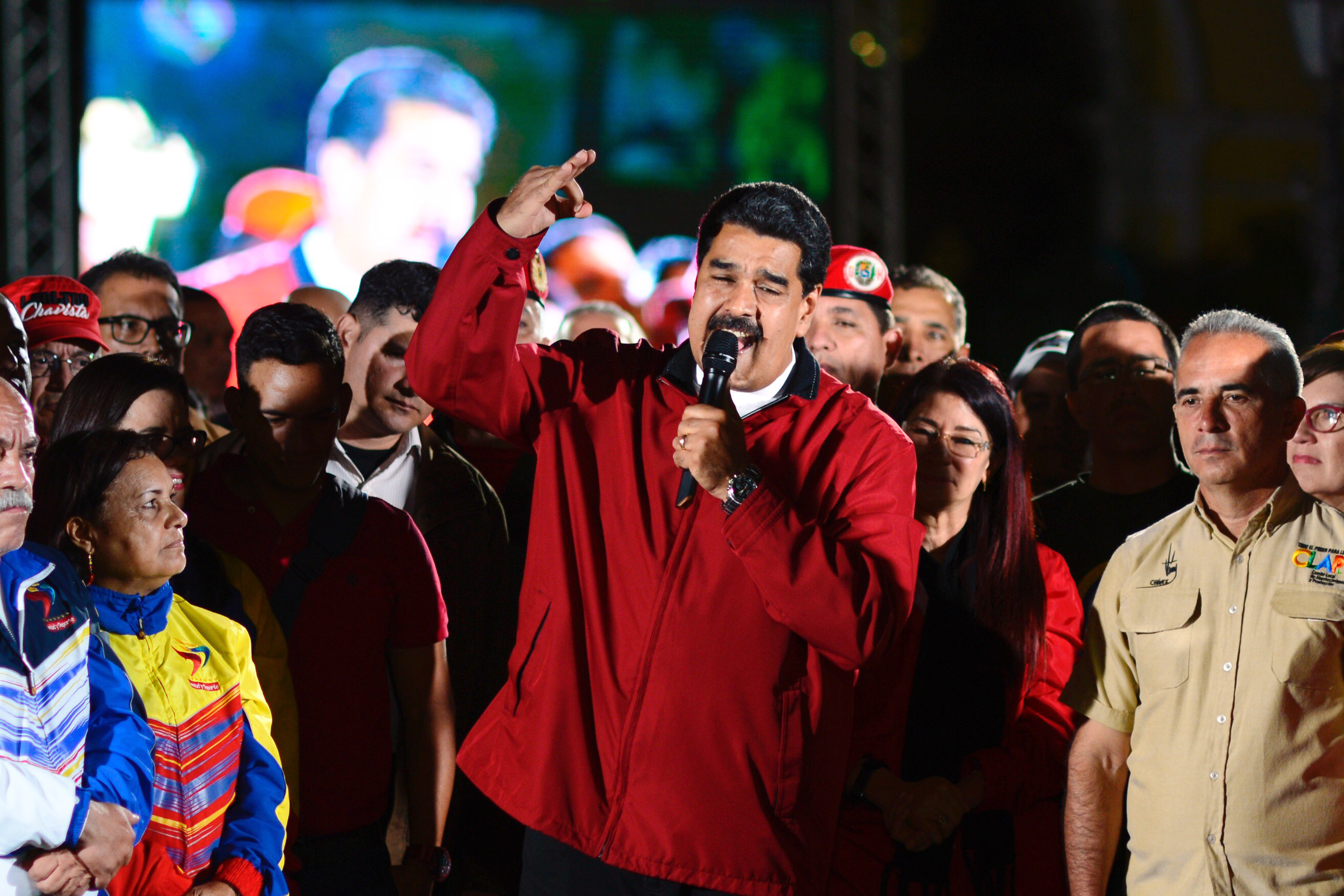
Nicolás Maduro speaks in Caracas in 2017, after the first results of Venezuela’s controversial election for a constituent assembly. (Manu Quintero/picture alliance via Getty Images)
August 2017 to May 2018: Trump issues a series of executive orders targeting Venezuela, including a first that prohibits access to U.S. financial markets by the Venezuelan government, including state-owned energy company Petróleos de Venezuela, S.A. (PdVSA). Another prohibits transactions related to purchasing Venezuelan debt and any debt owed to Venezuela pledged as collateral.
“The path to sanctions relief for PdVSA,” then-Treasury Secretary Steven Mnuchin says in a statement, “is through the expeditious transfer of control to the Interim President or a subsequent, democratically elected government.”
In tandem, the Trump administration announces that it will block all U.S. revenue to PdVSA, a measure that’s aimed primarily at Citgo, its U.S.-based subsidiary.
- The last of these orders comes a day after Venezuela’s 2018 presidential election; Maduro was declared the victor in what senior U.S. officials called a “sham” vote.
“The path to sanctions relief for PdVSA,” then-Treasury Secretary Steven Mnuchin says in a statement, “is through the expeditious transfer of control to the Interim President or a subsequent, democratically elected government.”
In tandem, the Trump administration announces that it will block all U.S. revenue to PdVSA, a measure that’s aimed primarily at Citgo, its U.S.-based subsidiary.
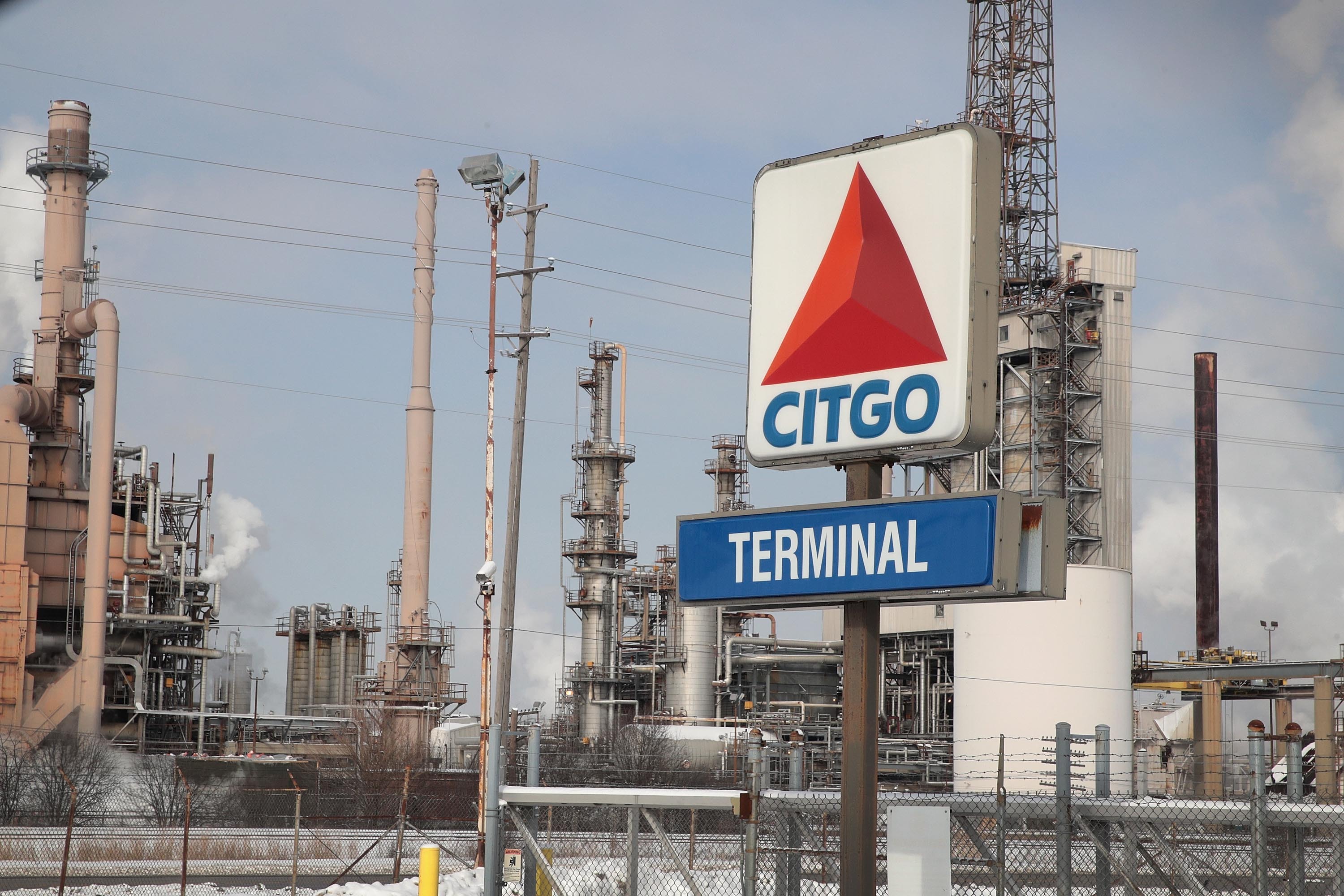
Aug. 5: Trump issues Executive Order 13384, placing a comprehensive block on all “property and interests in property of the Government of Venezuela” that are in the United States, “in light of the continued usurpation of power by Nicolas Maduro and persons affiliated with him.” The measure effectively bans U.S. individuals or companies from dealings with the Venezuelan government, its Central Bank and PdVSA.
Jan. 19, 2021: On Trump’s last full day in office, his State Department sanctions three more individuals and 11 entities “for their ties to a network helping Nicolas Maduro and his illegitimate regime evade U.S. sanctions on Venezuela’s oil sector.”
Jan. 19, 2021: On Trump’s last full day in office, his State Department sanctions three more individuals and 11 entities “for their ties to a network helping Nicolas Maduro and his illegitimate regime evade U.S. sanctions on Venezuela’s oil sector.”
Biden administration: 51 Venezuela-related sanctions
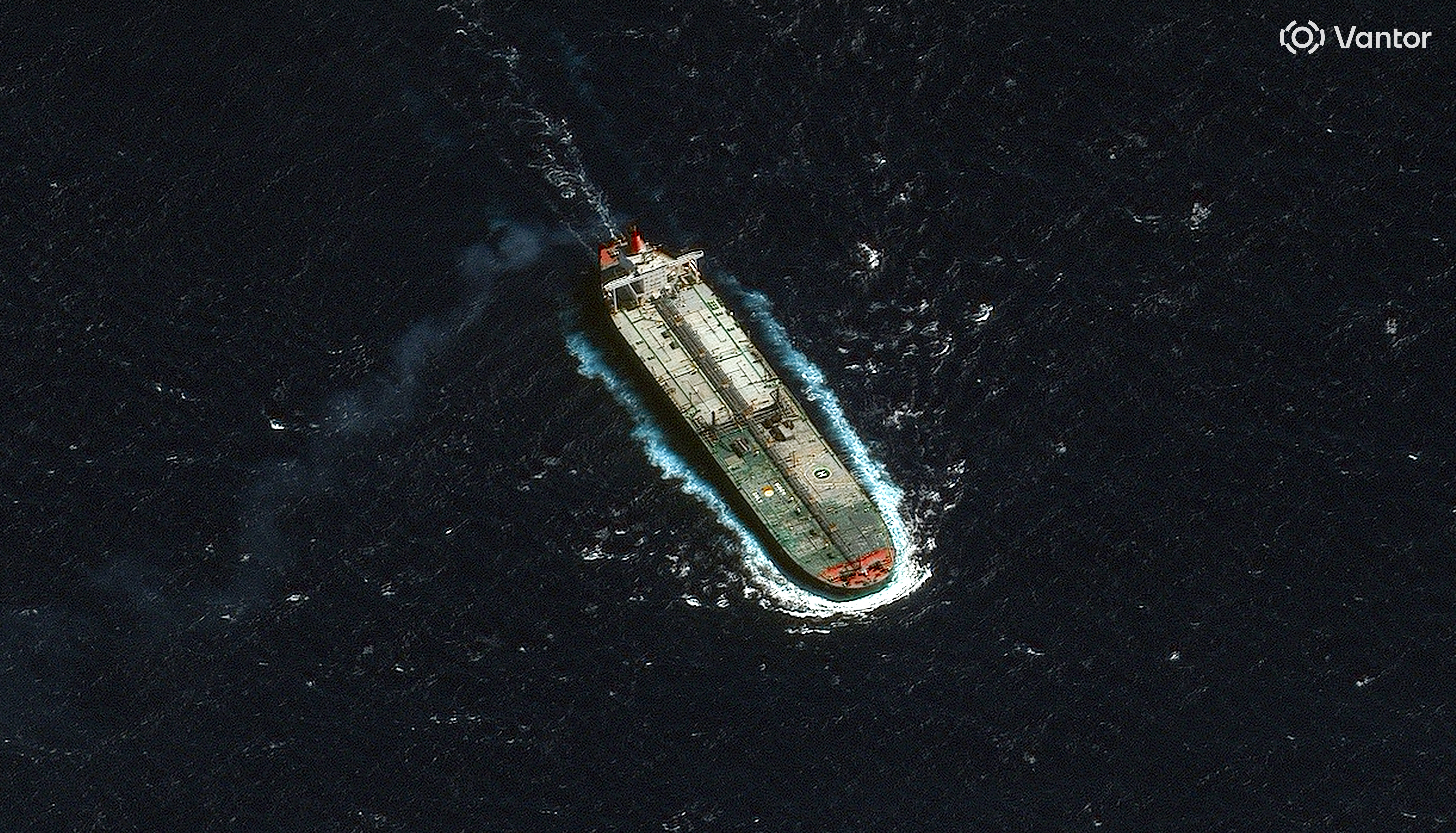
Nov. 3, 2022: Treasury Department sanctions the Skipper, then known as the Adisa, for its alleged role in an oil smuggling network that benefited Hizballah and the Islamic Revolutionary Guard Corps.- The Skipper will come up again in the timeline, at a key moment.
July 2024: Maduro declares victory in Venezuela’s presidential election and retains power; independent monitors and the opposition’s own tally show that his opponent, Edmundo González, won a significant majority of the vote.
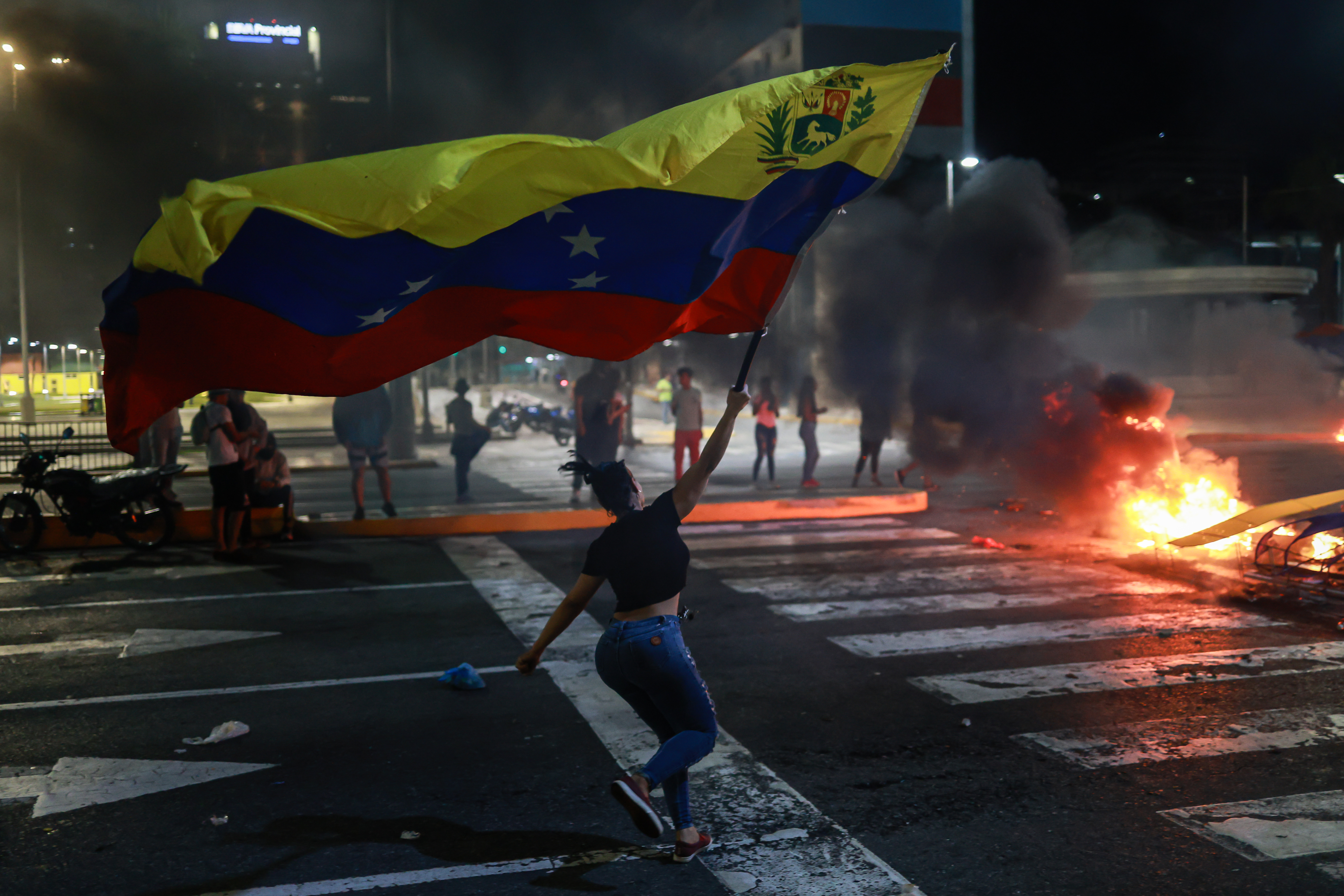
A protester in Caracas waves a Venezuelan flag during a July 29, 2024, protest against the official results of the country’s presidential election. (Jesus Vargas/Getty Images)
Jan. 10, 2025: In one of its final sanctions actions, the Biden administration designates eight Venezuelan officials, including the president of PDVSA, for “enabling Nicolas Maduro’s repression and subversion of democracy in Venezuela.”
Feb. 26: Trump announces that he will terminate Biden-era “concessions” that allowed certain U.S. oil transactions in Venezuela to continue, though his administration will later grant Chevron a restricted license to operate.
July 17: The Treasury Department sanctions top leaders of Tren de Aragua, calling it “an influential organization that threatens public safety throughout the Western Hemisphere.” This framing of hemispheric threats will resurface repeatedly hereafter.
July 25: Treasury sanctions “Cartel de los Soles,” which it describes as “a Venezuela-based criminal group” headed by Maduro and other regime officials, as a Specially Designated Global Terrorist. The Venezuelan leaders, it says, provide “material support to foreign terrorist organizations threatening the peace and security of the United States.”
Second Trump administration: 51 Venezuela-related sanctions … and counting
Feb. 20, 2025: The State Department designates Tren de Aragua, a transnational criminal group that originated in Venezuela, as a foreign terrorist organization, among seven other groups.Feb. 26: Trump announces that he will terminate Biden-era “concessions” that allowed certain U.S. oil transactions in Venezuela to continue, though his administration will later grant Chevron a restricted license to operate.
July 17: The Treasury Department sanctions top leaders of Tren de Aragua, calling it “an influential organization that threatens public safety throughout the Western Hemisphere.” This framing of hemispheric threats will resurface repeatedly hereafter.
July 25: Treasury sanctions “Cartel de los Soles,” which it describes as “a Venezuela-based criminal group” headed by Maduro and other regime officials, as a Specially Designated Global Terrorist. The Venezuelan leaders, it says, provide “material support to foreign terrorist organizations threatening the peace and security of the United States.”
Aug. 7: Attorney General Pam Bondi announces a $50 million reward for information leading to Maduro’s arrest, doubled from the $25 million the Biden administration had set in January.
September 2: The U.S. military kills 11 Venezuelans in the Caribbean Sea in what President Trump calls a “kinetic strike” on a “drug-carrying boat.”
September 2: The U.S. military kills 11 Venezuelans in the Caribbean Sea in what President Trump calls a “kinetic strike” on a “drug-carrying boat.”
“Please let this serve as notice to anybody even thinking about bringing drugs into the United States of America.”
— President Trump on Truth Social, after the first strike
That first operation, which involved a follow-up strike on the boat that killed its remaining survivors, goes on to draw congressional and national scrutiny.
Further U.S. boat strikes would kill more than 100 alleged drug traffickers in the Caribbean and Pacific by the end of the year.
November 24: The U.S. State Department designates “Cartel de los Soles” as a foreign terrorist organization. State’s announcement equates it to Tren de Aragua and the Sinaloa Cartel, calling them “responsible for terrorist violence throughout our hemisphere as well as for trafficking drugs into the United States and Europe.”
“[W]e want a Hemisphere that remains free of hostile foreign incursion or ownership of key assets, and that supports critical supply chains,” it says, in an apparent reference to China’s and Russia’s influence in Latin America.
Dec. 10: U.S. forces seize the sanctioned Skipper in the Caribbean Sea off the coast of Venezuela, while it was en route to China, and escort it to Galveston, Tex.
Further U.S. boat strikes would kill more than 100 alleged drug traffickers in the Caribbean and Pacific by the end of the year.
November 24: The U.S. State Department designates “Cartel de los Soles” as a foreign terrorist organization. State’s announcement equates it to Tren de Aragua and the Sinaloa Cartel, calling them “responsible for terrorist violence throughout our hemisphere as well as for trafficking drugs into the United States and Europe.”
- Experts contend that Cartel de los Soles is not an actual organization; the administration would later drop its characterization.
“[W]e want a Hemisphere that remains free of hostile foreign incursion or ownership of key assets, and that supports critical supply chains,” it says, in an apparent reference to China’s and Russia’s influence in Latin America.
Dec. 10: U.S. forces seize the sanctioned Skipper in the Caribbean Sea off the coast of Venezuela, while it was en route to China, and escort it to Galveston, Tex.
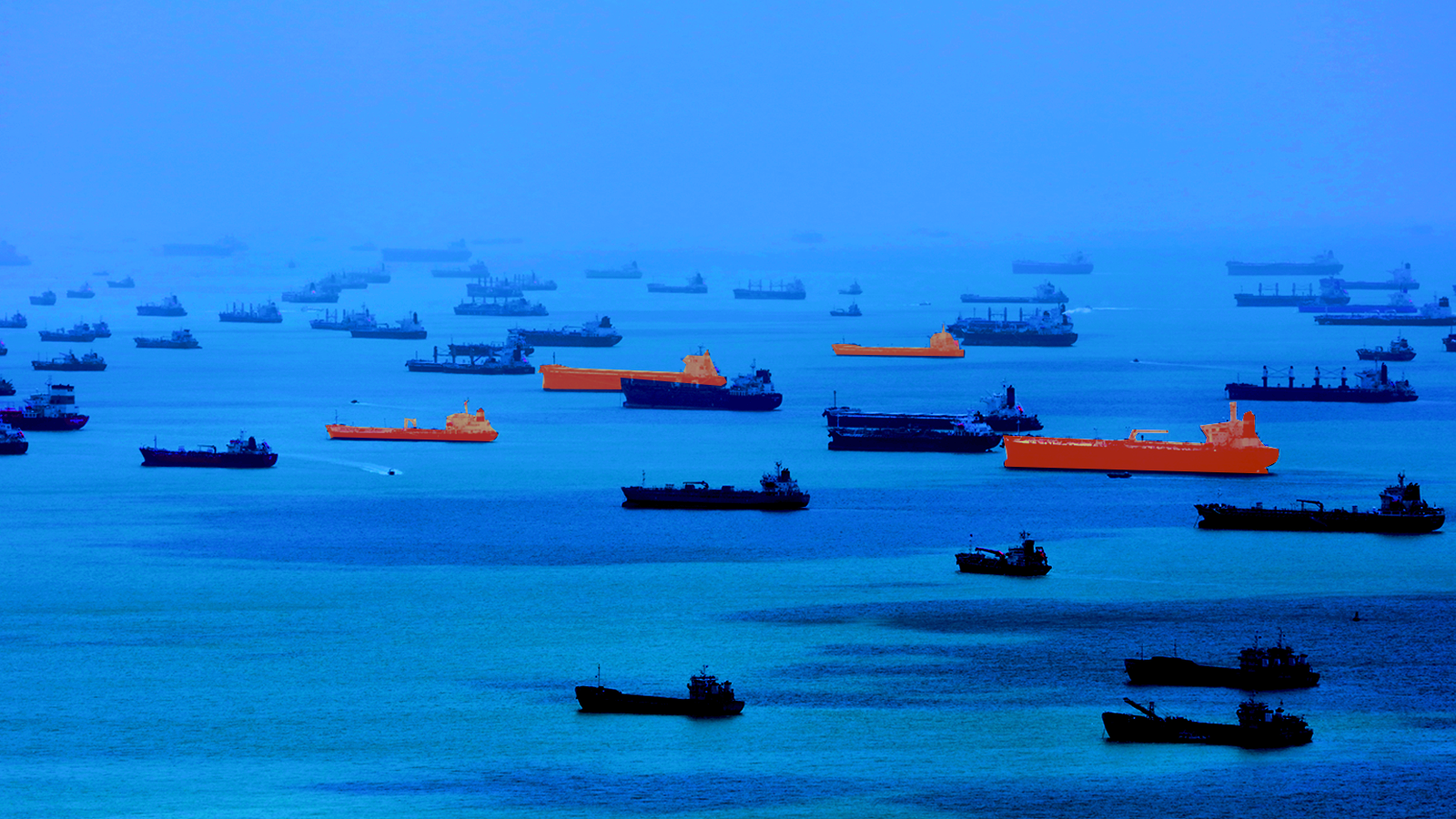
Dec. 11: Treasury, starting a sanctions flurry, first targets three of Maduro’s nephews, a Panamanian businessman, six shipping companies and six vessels that, it says, “continue to provide financial resources that fuel Maduro’s corrupt narco-terrorist regime.”
Dec. 16: Trump announces a “TOTAL AND COMPLETE BLOCKADE” of all sanctioned oil tankers entering or departing Venezuela.
Dec. 19: Treasury sanctions target seven family members and associates of Maduro and his regime.
Dec. 20: U.S. forces intercept and board a second tanker, Centuries, carrying Venezuelan crude oil to Asia. The Panamanian-flagged vessel had not been targeted by U.S. sanctions.
Dec. 31: The Trump administration ends the year with one more Venezuela sanctions blast, targeting four Chinese shipping companies and four vessels that it said were part of Venezuela’s shadow fleet.
“The Treasury Department will continue to implement President Trump’s campaign of pressure on Maduro’s regime,” Treasury Secretary Scott Bessent says.
Jan. 3, 2026: U.S. forces capture Maduro in Caracas, then bring him to the U.S. to face trial on federal drug-trafficking charges.
“Under our new national security strategy, American dominance in the Western Hemisphere will never be questioned again,” Trump says in a news conference following the operation.
Jan. 5: Appearing in federal court in New York, Maduro pleads not guilty.
Dec. 16: Trump announces a “TOTAL AND COMPLETE BLOCKADE” of all sanctioned oil tankers entering or departing Venezuela.
Dec. 19: Treasury sanctions target seven family members and associates of Maduro and his regime.
Dec. 20: U.S. forces intercept and board a second tanker, Centuries, carrying Venezuelan crude oil to Asia. The Panamanian-flagged vessel had not been targeted by U.S. sanctions.
Dec. 31: The Trump administration ends the year with one more Venezuela sanctions blast, targeting four Chinese shipping companies and four vessels that it said were part of Venezuela’s shadow fleet.
“The Treasury Department will continue to implement President Trump’s campaign of pressure on Maduro’s regime,” Treasury Secretary Scott Bessent says.
Jan. 3, 2026: U.S. forces capture Maduro in Caracas, then bring him to the U.S. to face trial on federal drug-trafficking charges.
“Under our new national security strategy, American dominance in the Western Hemisphere will never be questioned again,” Trump says in a news conference following the operation.
Jan. 5: Appearing in federal court in New York, Maduro pleads not guilty.