
As the year came to a close, the Kharon Brief asked a range of industry leaders to assess 2025’s biggest storylines and what’s coming in 2026 in sanctions, risk and compliance.
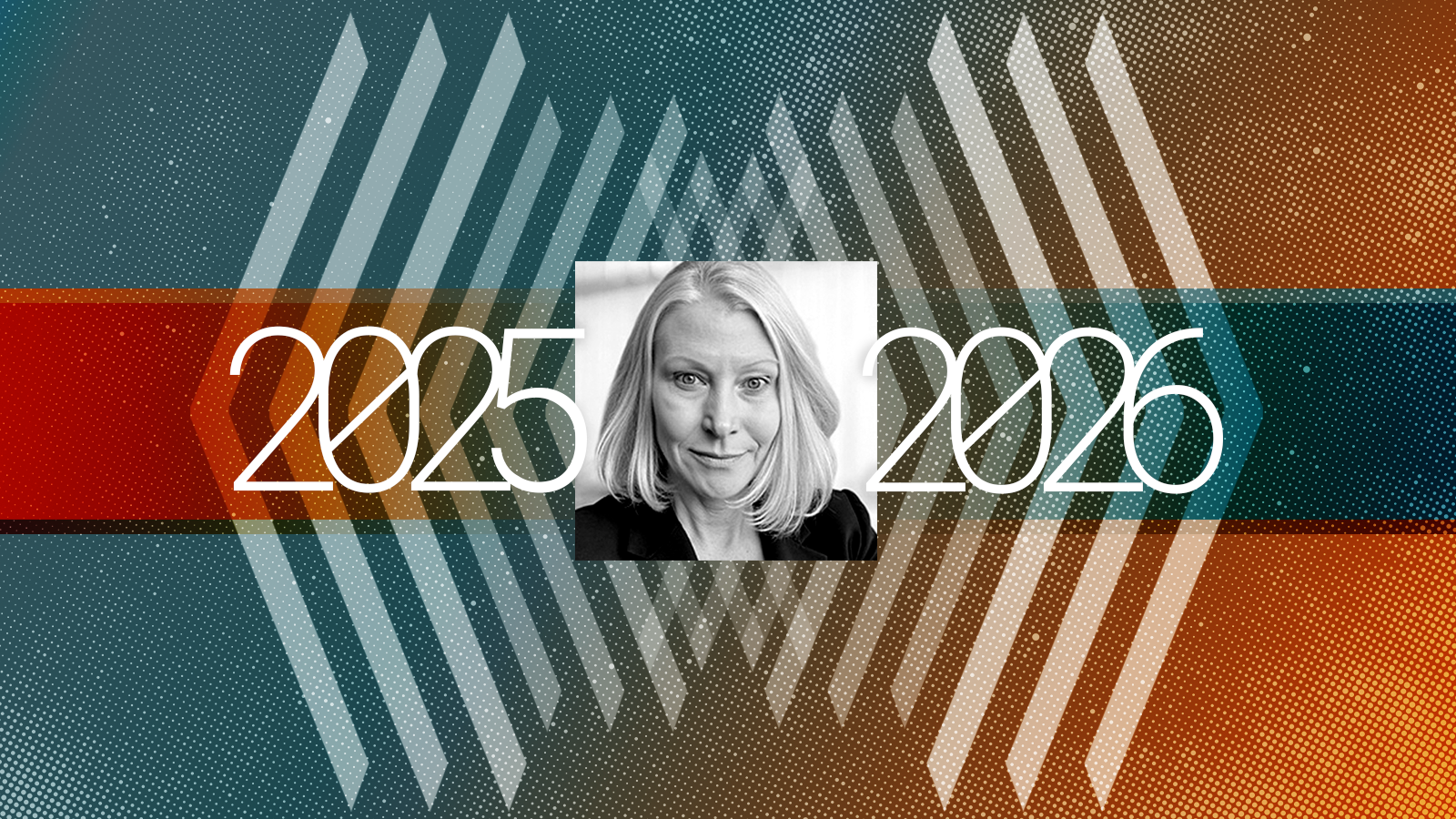
Melissa Mannino is a partner at BakerHostetler and former chief of the Enforcement and Litigation Division at the U.S. Commerce Department’s Office of Chief Counsel for Industry and Security.
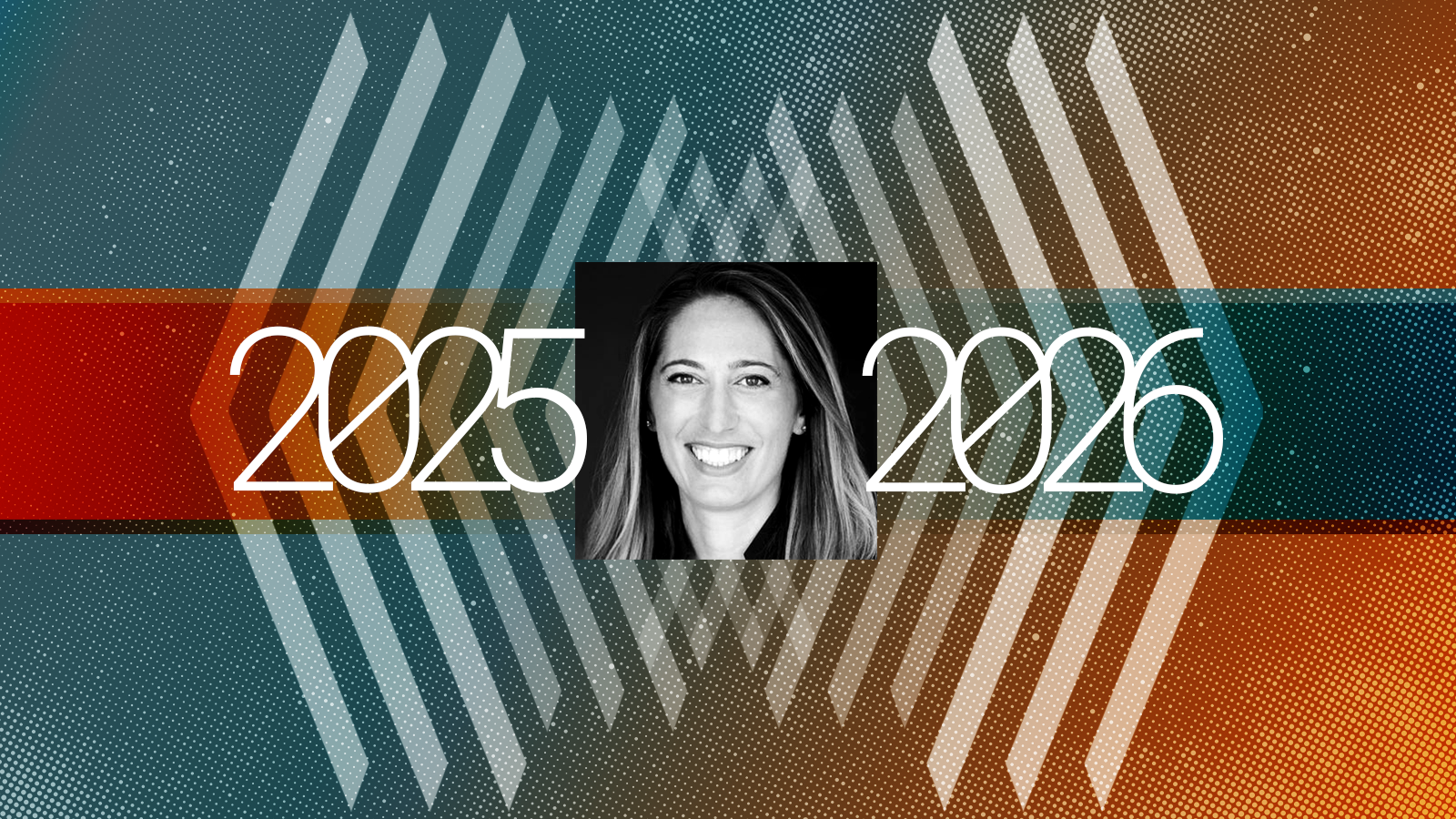
James Perry is an associate at BakerHostetler.
Looking back: The Bureau of Industry and Security’s Affiliates Rule and organizational brain drain were two defining storylines for U.S. export controls in 2025.
BIS published and implemented that long-anticipated “50% rule” on Sept. 29; it was then suspended for a year effective Nov. 10, as part of U.S.-China trade negotiations. The Affiliates Rule extended the Entity List, Military End-User (MEU) List and select Specially Designated Nationals restrictions to any non-U.S. entity owned 50% or more—directly or indirectly, individually or in the aggregate—by listed parties, and the most restrictive license requirement of the entity’s parents applied. That meant the BIS regulations exceeded OFAC’s own 50% rule.
The rule’s pause gave businesses extra time to prepare before its likely reinstatement, whether by BIS or Congress, in 2026.
BIS this year also saw the departures of dozens of knowledgeable and experienced personnel, notably from its Export Administration unit, in the first year of the new Trump administration. This tremendous loss and the apparent review of license applications, proposed charging letters and settlements at the highest level of BIS signal delays and uncertainty for 2026 and beyond.
Looking ahead: We believe that 2026 will mirror much of 2025’s volatility.
Some good news for businesses: We believe the reinstated version of the Affiliates Rule will be limited to entities owned by parties just on the Entity List, not the MEU or SDN lists. But it will be important for companies to design their compliance programs and, arguably, their business models, to be able to adapt quickly to statutory timelines, evolving covered parties, agency delays and increased due-diligence requirements, while remaining competitive in today’s globalized market. That’s not an easy balance to implement quickly.
In addition to the Affiliates Rule, we expect to see significant government activity on export-controls policies and requirements relating to advanced computing integrated circuits for AI language modeling. More volatility and uncertainty are likely as the U.S. balances competing priorities of its own: national security versus maintaining leadership in AI.
Melissa Mannino is a partner at BakerHostetler and former chief of the Enforcement and Litigation Division at the U.S. Commerce Department’s Office of Chief Counsel for Industry and Security.
James Perry is an associate at BakerHostetler.
Looking back: The Bureau of Industry and Security’s Affiliates Rule and organizational brain drain were two defining storylines for U.S. export controls in 2025.
BIS published and implemented that long-anticipated “50% rule” on Sept. 29; it was then suspended for a year effective Nov. 10, as part of U.S.-China trade negotiations. The Affiliates Rule extended the Entity List, Military End-User (MEU) List and select Specially Designated Nationals restrictions to any non-U.S. entity owned 50% or more—directly or indirectly, individually or in the aggregate—by listed parties, and the most restrictive license requirement of the entity’s parents applied. That meant the BIS regulations exceeded OFAC’s own 50% rule.
The rule’s pause gave businesses extra time to prepare before its likely reinstatement, whether by BIS or Congress, in 2026.
BIS this year also saw the departures of dozens of knowledgeable and experienced personnel, notably from its Export Administration unit, in the first year of the new Trump administration. This tremendous loss and the apparent review of license applications, proposed charging letters and settlements at the highest level of BIS signal delays and uncertainty for 2026 and beyond.
Looking ahead: We believe that 2026 will mirror much of 2025’s volatility.
Some good news for businesses: We believe the reinstated version of the Affiliates Rule will be limited to entities owned by parties just on the Entity List, not the MEU or SDN lists. But it will be important for companies to design their compliance programs and, arguably, their business models, to be able to adapt quickly to statutory timelines, evolving covered parties, agency delays and increased due-diligence requirements, while remaining competitive in today’s globalized market. That’s not an easy balance to implement quickly.
In addition to the Affiliates Rule, we expect to see significant government activity on export-controls policies and requirements relating to advanced computing integrated circuits for AI language modeling. More volatility and uncertainty are likely as the U.S. balances competing priorities of its own: national security versus maintaining leadership in AI.