The United Kingdom, Canada, Australia and New Zealand each unloaded new sanctions Tuesday against Russia and its facilitators, hitting its energy and defense sectors, shadow fleet, and banking networks on the fourth anniversary of the start of the war in Ukraine.
Canada, Australia and New Zealand announced with their rollouts that they would be lowering their price caps on Russian crude oil from $47.60 per barrel to $44.10, aligning them with Europe’s moves last month as Western restrictions continue to eat into Russia’s oil revenues.
That was a broader theme Tuesday: Among the U.K.’s most prominent targets was Transneft, the major state-controlled oil pipeline company.
“Russia is now four years into what [Vladimir] Putin believed would be a three-day invasion,” U.K. Foreign Secretary Yvette Cooper said in a news release. “The UK has today taken decisive action to disrupt the critical financing, military equipment and revenue streams that sustain Russia’s aggression, in our largest raft of measures since the early months of the invasion.”
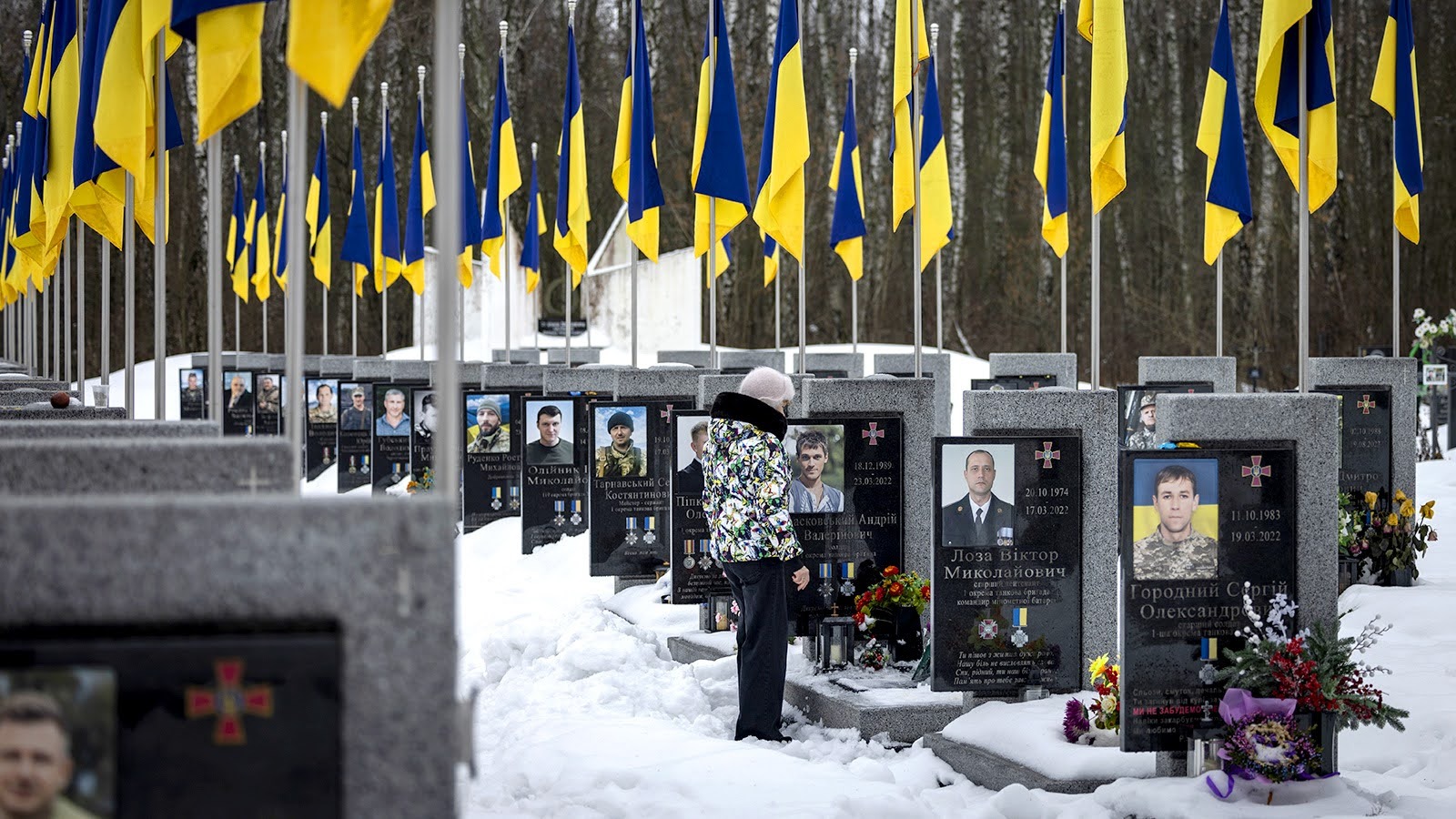
The U.K. and Australia said their packages were their largest since Russia’s full-scale invasion in 2022. In tandem, several of the countries also announced additional humanitarian and military assistance for Ukraine, reinforcing their support as the war now enters a fifth year.
“Canada remains steadfast in defending Ukraine’s sovereignty and territorial integrity,” Anita Anand, Canada’s minister of foreign affairs, said in a statement. “Russia must be held accountable for the damage, destruction, and loss caused by its unprovoked aggression.”
The European Union’s own planned sanctions package, which would be its 20th, has been delayed under Hungary’s objections. The United States, which has imposed more sanctions against Russia than any other jurisdiction but has pulled back since the Trump administration took office, did not announce a new sanctions package for the anniversary itself.
But the sanctions that did materialize Tuesday pack a punch. Here’s what to know.
Canada, Australia and New Zealand announced with their rollouts that they would be lowering their price caps on Russian crude oil from $47.60 per barrel to $44.10, aligning them with Europe’s moves last month as Western restrictions continue to eat into Russia’s oil revenues.
That was a broader theme Tuesday: Among the U.K.’s most prominent targets was Transneft, the major state-controlled oil pipeline company.
“Russia is now four years into what [Vladimir] Putin believed would be a three-day invasion,” U.K. Foreign Secretary Yvette Cooper said in a news release. “The UK has today taken decisive action to disrupt the critical financing, military equipment and revenue streams that sustain Russia’s aggression, in our largest raft of measures since the early months of the invasion.”
The U.K. and Australia said their packages were their largest since Russia’s full-scale invasion in 2022. In tandem, several of the countries also announced additional humanitarian and military assistance for Ukraine, reinforcing their support as the war now enters a fifth year.
“Canada remains steadfast in defending Ukraine’s sovereignty and territorial integrity,” Anita Anand, Canada’s minister of foreign affairs, said in a statement. “Russia must be held accountable for the damage, destruction, and loss caused by its unprovoked aggression.”
The European Union’s own planned sanctions package, which would be its 20th, has been delayed under Hungary’s objections. The United States, which has imposed more sanctions against Russia than any other jurisdiction but has pulled back since the Trump administration took office, did not announce a new sanctions package for the anniversary itself.
But the sanctions that did materialize Tuesday pack a punch. Here’s what to know.
A broadside on Russian energy
The alignment on lowering the oil price cap, which has crushed Russian oil prices since the G7, EU and Australia instituted it at $60 a barrel in 2022, is the headline here. But none of the countries went nearly as far as the EU has proposed: implementing a full ban on maritime services for Russian crude.- The caveat: It isn’t clear whether that provision will survive the bloc’s negotiations.
- The West’s now-complete blacklist of Transneft increases the compliance friction for any global intermediary dealing with Russian crude, widening the gap between the official market and the high-risk shadow trade.
The shadow fleet—and one major third-country network
Each country went after Russian energy by another means, too. As seizures of shadow fleet ships continue, Canada and New Zealand designated 100 vessels associated with Russia’s oil-shipping maritime networks apiece, while Australia designated 61 and the U.K. 48.The vessel sanctions “are designed to starve Russia’s war economy of revenue,” Australian Prime Minister Anthony Albanese and Minister for Defence Richard Marles said in a joint news release.
Beyond ships, the U.K. notably designated a New Zealand-based insurer, Maritime Mutual, that Reuters reported in October had facilitated Russian and Iranian oil trading. The U.K. also sanctioned 175 companies, spanning the UAE and Hong Kong, in the 2Rivers oil network, which it called “one of the largest shadow fleet operators globally and a major trader of Russian crude oil.”
Why it matters: The move toward “class designations,” in which jurisdictions hit entire networks like 2Rivers in one rollout, could undercut the corporate-reshuffling efforts that have been facilitating Russia’s sanctions evasion.
Banking and crypto
The U.K.’s package isolates the financial underpinning of the shadow trade by targeting nine Russian regional banks, including Post Bank, JSC Ak Bars Bank, Lanta-Bank and Fora-Bank.- After major Russian state banks were cut off from SWIFT, the international banking network, these regional banks became essential clearinghouses for the procurement of the high-tech components found in Russian munitions.
Wartime production and Ukraine aide
All four countries took aim at, as the U.K. put it, the parties “sustaining Russia’s war machine,” including entities and individuals in drone production and AI.But more striking than the sanctions to degrade Russia’s military complex were the announcements of aid to help Ukraine and its own.
- Canada said it was renewing its Operation UNIFIER program that trains Ukrainian soldiers, donating more than 400 armored vehicles and committing “$2 billion in military assistance for fiscal year 2026-27 that builds on Canada’s sustained provision of critical military support and will help ensure the Armed Forces of Ukraine have the equipment and capabilities needed to defend their territory.”
- New Zealand announced it would provide NZ$8 million in funds for Ukrainian humanitarian assistance, energy resilience and reconstruction.
- And the U.K. announced more than £30 million in aid “to strengthen Ukrainian resilience,” more than £25 million of which, it said, will “deliver repairs to damaged energy infrastructure, and support the men, women and children whose lives continue to be uprooted by Russia’s aggression.”