
As the year came to a close, the Kharon Brief asked a range of industry leaders to assess 2025’s biggest storylines and what’s coming in 2026 in sanctions, risk and compliance.
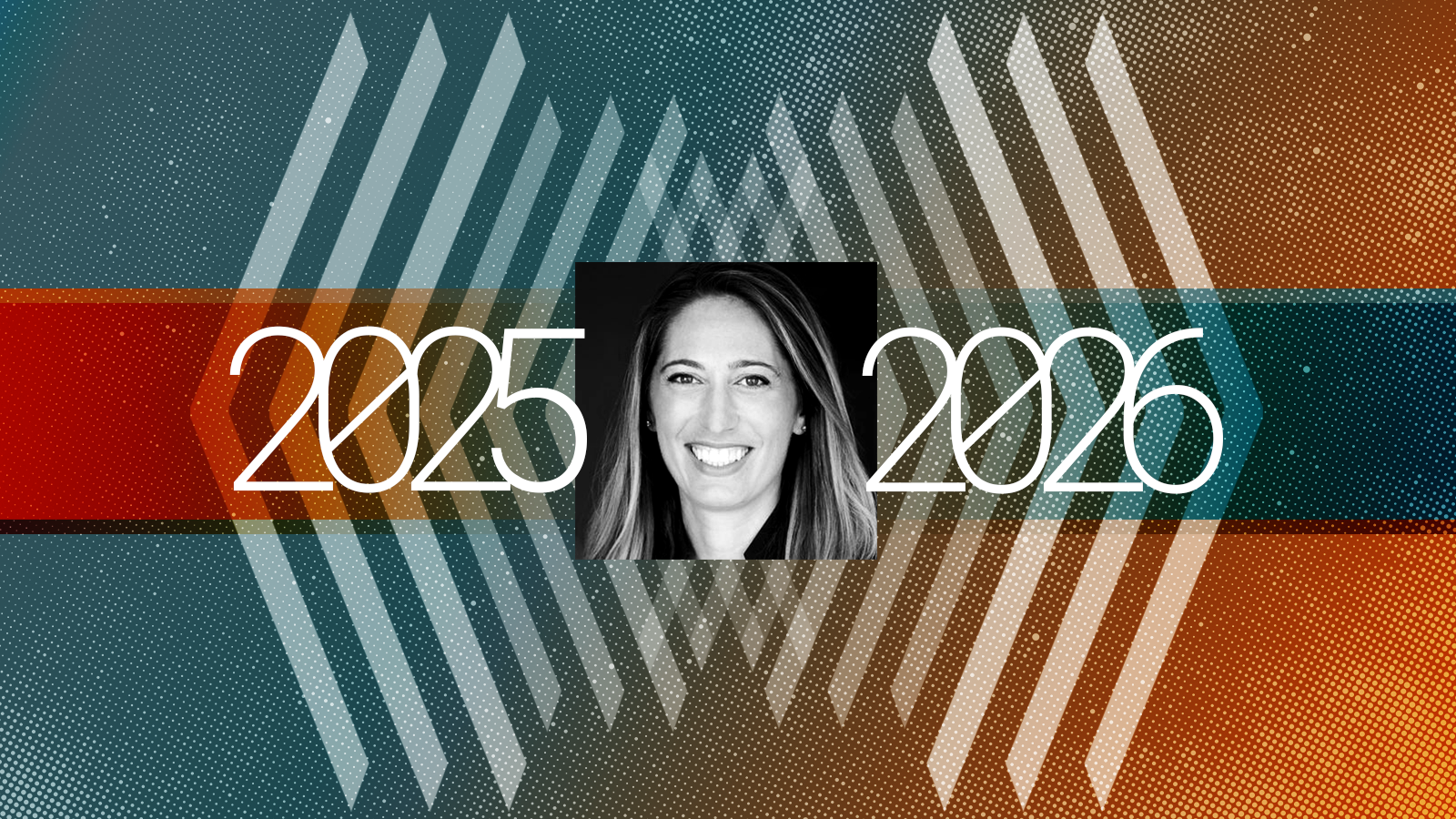
Hagar Chemali is founder and chief executive officer of Greenwich Media Strategies and former director for Syria and Lebanon at the National Security Council.
Looking back: After the escalation between Israel and Hizballah and the December fall of Syrian dictator Bashar al-Assad, Lebanon began 2025 with an opportunity it hadn’t had in more than 40 years: the chance to undermine Hizballah, and therefore Iran’s influence, and take charge of its own sovereignty. That carries significant foreign policy implications also for the United States, which shares those same goals in the Levant.
Progress and setbacks have followed.
Disarming Hizballah was a core focus. In his inaugural address in January, Lebanon President Joseph Aoun proclaimed that the state would have a monopoly over all arms, and the Lebanese cabinet in August then directed the military to develop and carry out a plan in support of this goal. By late December, though much more work remains, the country’s prime minister said the disarmament of Hizballah south of the Litani River was nearly completed.
That policy shift represented a significant departure from a year earlier and has led to increased calls—once taboo—for peace or normalization between Lebanon and Israel.
Still, Lebanon faces serious challenges and remains in a dire financial state. Necessary financial and economic sector reforms have stalled, there is no trust in the banking sector, and the cash economy continues to grow, heightening a range of financial risks and further enabling illicit financial behavior.
The Financial Times reported in November that sanctioned Hizballah charities were asking donors to send digital payments through Beirut-based money-transfer companies that partner with U.S. financial institutions. And Iran continued to find ways to funnel funds to Hizballah as well, smuggling an estimated $1 billion to it in 2025 through UAE-based exchange houses and other routes, according to U.S. intelligence assessments.
Looking ahead: These realities will inform the U.S. Treasury Department’s enforcement actions in 2026. Notably, when Treasury sanctioned Hizballah financial operatives in November, it emphasized how they had “take[n] advantage of Lebanon’s cash-based financial sector” to raise, move and store millions of dollars in funds.
As Treasury continues to identify and target new Hizballah avenues and fronts, or potentially problematic cash companies, the challenge will be how to weaken the cash economy and restore faith in the banks so that cash is moved back to the formal financial system. Achieving the Trump administration’s goals in the region will require consistent pressure as Hizballah looks to rebuild.
From Lebanon’s perspective, its government will be expected to fulfill its commitment to disarm Hizballah and to address its broader financial crisis. There’s time pressure to make progress on these efforts, too, in order to prevent Hizballah from increasing its influence again through parliamentary elections planned for May 2026.
Hagar Chemali is founder and chief executive officer of Greenwich Media Strategies and former director for Syria and Lebanon at the National Security Council.
Looking back: After the escalation between Israel and Hizballah and the December fall of Syrian dictator Bashar al-Assad, Lebanon began 2025 with an opportunity it hadn’t had in more than 40 years: the chance to undermine Hizballah, and therefore Iran’s influence, and take charge of its own sovereignty. That carries significant foreign policy implications also for the United States, which shares those same goals in the Levant.
Progress and setbacks have followed.
Disarming Hizballah was a core focus. In his inaugural address in January, Lebanon President Joseph Aoun proclaimed that the state would have a monopoly over all arms, and the Lebanese cabinet in August then directed the military to develop and carry out a plan in support of this goal. By late December, though much more work remains, the country’s prime minister said the disarmament of Hizballah south of the Litani River was nearly completed.
That policy shift represented a significant departure from a year earlier and has led to increased calls—once taboo—for peace or normalization between Lebanon and Israel.
Still, Lebanon faces serious challenges and remains in a dire financial state. Necessary financial and economic sector reforms have stalled, there is no trust in the banking sector, and the cash economy continues to grow, heightening a range of financial risks and further enabling illicit financial behavior.
The Financial Times reported in November that sanctioned Hizballah charities were asking donors to send digital payments through Beirut-based money-transfer companies that partner with U.S. financial institutions. And Iran continued to find ways to funnel funds to Hizballah as well, smuggling an estimated $1 billion to it in 2025 through UAE-based exchange houses and other routes, according to U.S. intelligence assessments.
Looking ahead: These realities will inform the U.S. Treasury Department’s enforcement actions in 2026. Notably, when Treasury sanctioned Hizballah financial operatives in November, it emphasized how they had “take[n] advantage of Lebanon’s cash-based financial sector” to raise, move and store millions of dollars in funds.
As Treasury continues to identify and target new Hizballah avenues and fronts, or potentially problematic cash companies, the challenge will be how to weaken the cash economy and restore faith in the banks so that cash is moved back to the formal financial system. Achieving the Trump administration’s goals in the region will require consistent pressure as Hizballah looks to rebuild.
From Lebanon’s perspective, its government will be expected to fulfill its commitment to disarm Hizballah and to address its broader financial crisis. There’s time pressure to make progress on these efforts, too, in order to prevent Hizballah from increasing its influence again through parliamentary elections planned for May 2026.