
As the year came to a close, the Kharon Brief asked a range of industry leaders to assess 2025’s biggest storylines and what’s coming in 2026 in sanctions, risk and compliance.
Mark Nakhla is chief research officer at Kharon.
Alexis Nicholson is a director of research at Kharon.
Looking back: A defining geopolitical storyline of 2025 has been the renewed convergence of the U.S. and the European sanctions pressure on Iran, culminating in the September announcement from the E3 (France, Germany and the U.K.) and the European Union to trigger the UN’s snapback mechanism. This move marked Europe’s most consequential escalation against Tehran in nearly a decade, reflecting a transatlantic consensus that Iran's weapons programs constituted a “persistent and significant non-performance” of its commitments under the 2015 nuclear deal.
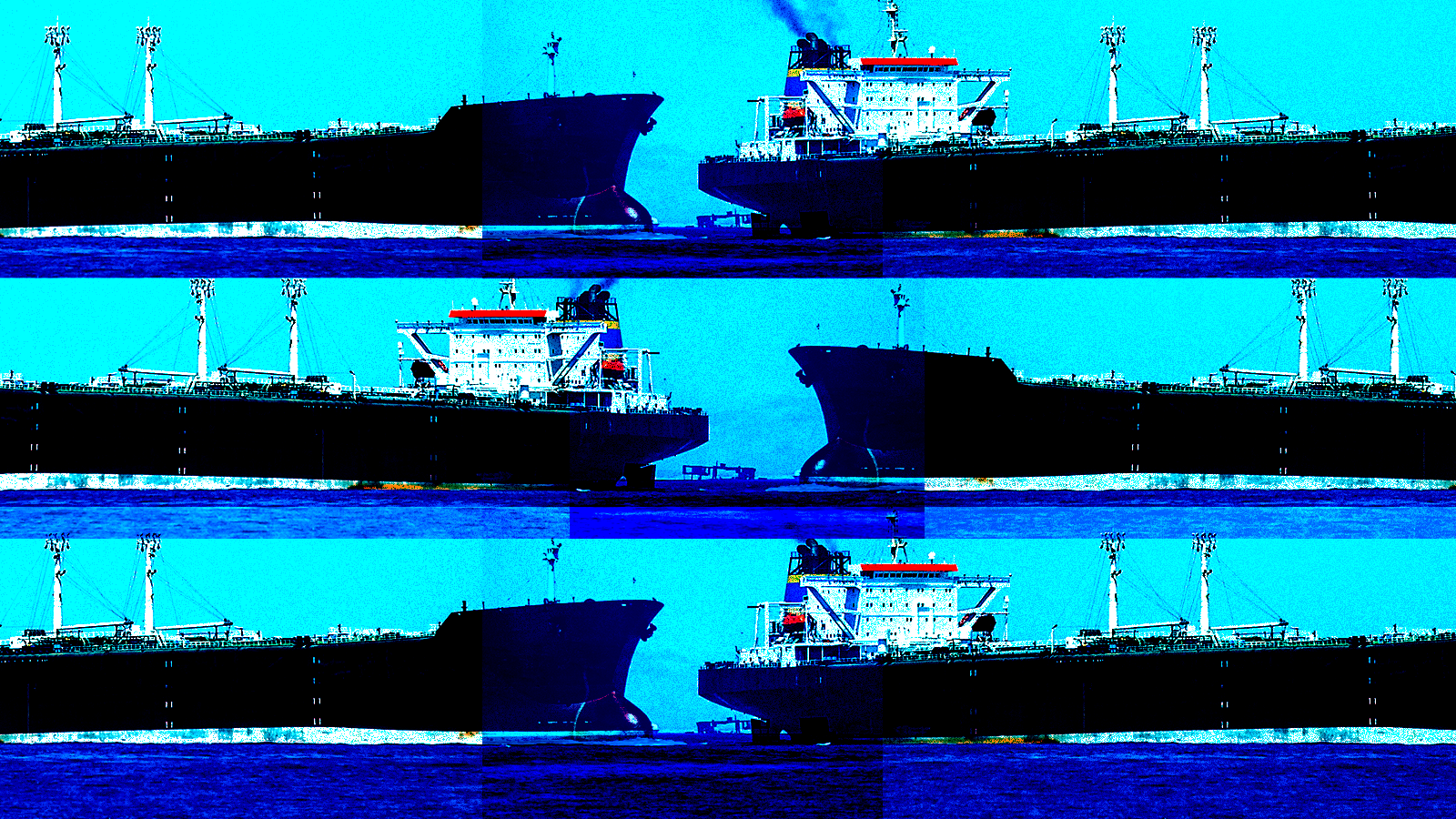
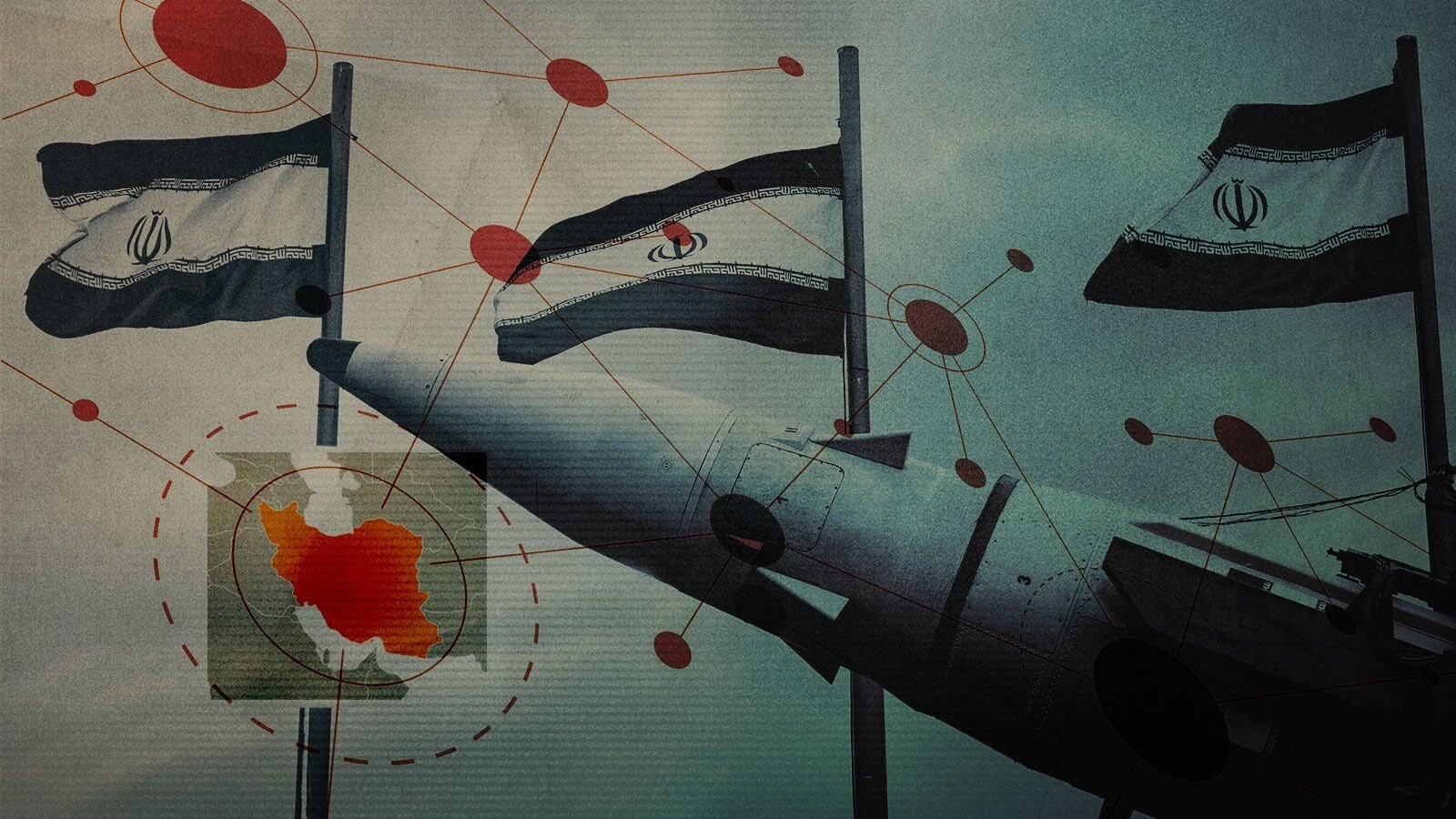
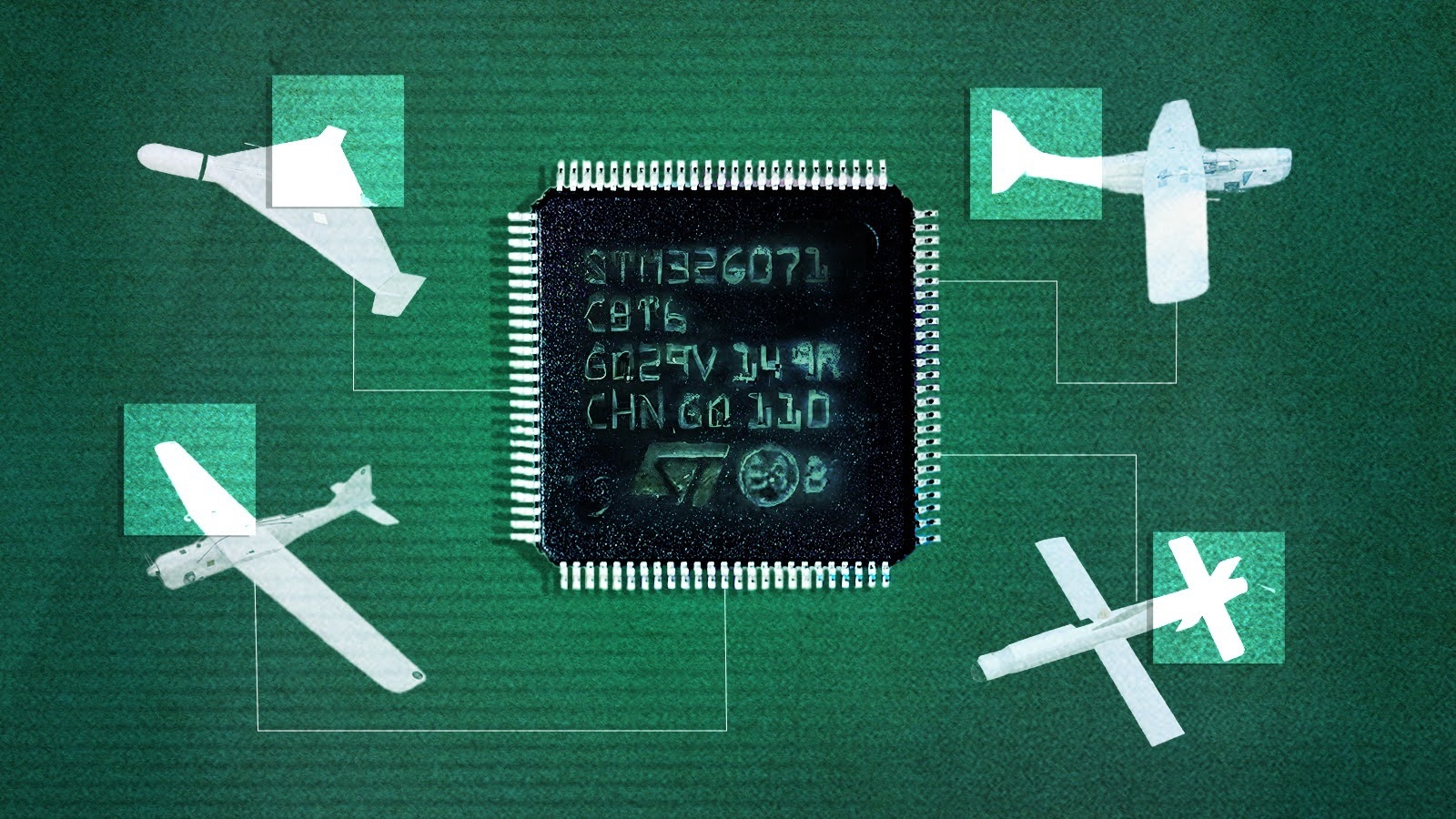
This European shift did not occur in a vacuum. It followed the Trump administration’s February relaunch of U.S. “maximum pressure” on Iran, which was followed by a drumbeat of sanctions, export restrictions and enforcement actions. Those measures targeted Iranian actors and their global networks that keep Iran’s economy and defense production functioning—shadow banking and trade finance channels, front companies, oil-shipping “shadow fleet” vessels, and the foreign procurement channels supporting its nuclear, ballistic missile and drone programs.
By September, Europe was no longer standing adjacent to that campaign; it was effectively aligning with it.
What makes the EU snapback particularly significant, however, is that it goes well beyond reimposing sanctions listings, combining strict financial measures—such as a fund transfer ban and banking freeze—with renewed trade restrictions on oil products and proliferation-sensitive goods and technology. For EU financial institutions, the snapback also introduces a higher operational bar: setting continuous monitoring of account activity, enhanced Know Your Customer standards and strict payment integrity rules as new baseline expectations.
Looking ahead: While the 2025 measures established the legal framework for Iran’s financial isolation, 2026 is likely to be shaped by the challenging practical demands of enforcement and compliance.
As Iran-related illicit trade and finance continue to shift toward opaque intermediaries, informal payment mechanisms and layered facilitation networks, attention may now move from rulemaking to tracking how those rules are circumvented in practice.
For governments, this means greater emphasis on identifying evolving sanctions- and trade-evasion tactics, and on assembling the intelligence needed to link fragmented financial and commercial activity back to Iranian actors. For private industry, heightened expectations around payment transparency and counterparty diligence are likely to place a premium on compliance programs that proactively surface exposure risk and adapt as evasion methods evolve.
Effective public-private collaboration will be needed, too, to stay ahead of Iran’s shadow networks, while preserving legitimate cross-border financial activity.
Mark Nakhla is chief research officer at Kharon.
Alexis Nicholson is a director of research at Kharon.
Looking back: A defining geopolitical storyline of 2025 has been the renewed convergence of the U.S. and the European sanctions pressure on Iran, culminating in the September announcement from the E3 (France, Germany and the U.K.) and the European Union to trigger the UN’s snapback mechanism. This move marked Europe’s most consequential escalation against Tehran in nearly a decade, reflecting a transatlantic consensus that Iran's weapons programs constituted a “persistent and significant non-performance” of its commitments under the 2015 nuclear deal.
This European shift did not occur in a vacuum. It followed the Trump administration’s February relaunch of U.S. “maximum pressure” on Iran, which was followed by a drumbeat of sanctions, export restrictions and enforcement actions. Those measures targeted Iranian actors and their global networks that keep Iran’s economy and defense production functioning—shadow banking and trade finance channels, front companies, oil-shipping “shadow fleet” vessels, and the foreign procurement channels supporting its nuclear, ballistic missile and drone programs.
By September, Europe was no longer standing adjacent to that campaign; it was effectively aligning with it.
What makes the EU snapback particularly significant, however, is that it goes well beyond reimposing sanctions listings, combining strict financial measures—such as a fund transfer ban and banking freeze—with renewed trade restrictions on oil products and proliferation-sensitive goods and technology. For EU financial institutions, the snapback also introduces a higher operational bar: setting continuous monitoring of account activity, enhanced Know Your Customer standards and strict payment integrity rules as new baseline expectations.
Looking ahead: While the 2025 measures established the legal framework for Iran’s financial isolation, 2026 is likely to be shaped by the challenging practical demands of enforcement and compliance.
As Iran-related illicit trade and finance continue to shift toward opaque intermediaries, informal payment mechanisms and layered facilitation networks, attention may now move from rulemaking to tracking how those rules are circumvented in practice.
For governments, this means greater emphasis on identifying evolving sanctions- and trade-evasion tactics, and on assembling the intelligence needed to link fragmented financial and commercial activity back to Iranian actors. For private industry, heightened expectations around payment transparency and counterparty diligence are likely to place a premium on compliance programs that proactively surface exposure risk and adapt as evasion methods evolve.
Effective public-private collaboration will be needed, too, to stay ahead of Iran’s shadow networks, while preserving legitimate cross-border financial activity.