As the year came to a close, the Kharon Brief asked a range of industry leaders to assess 2025’s biggest storylines and what’s coming in 2026 in sanctions, risk and compliance.
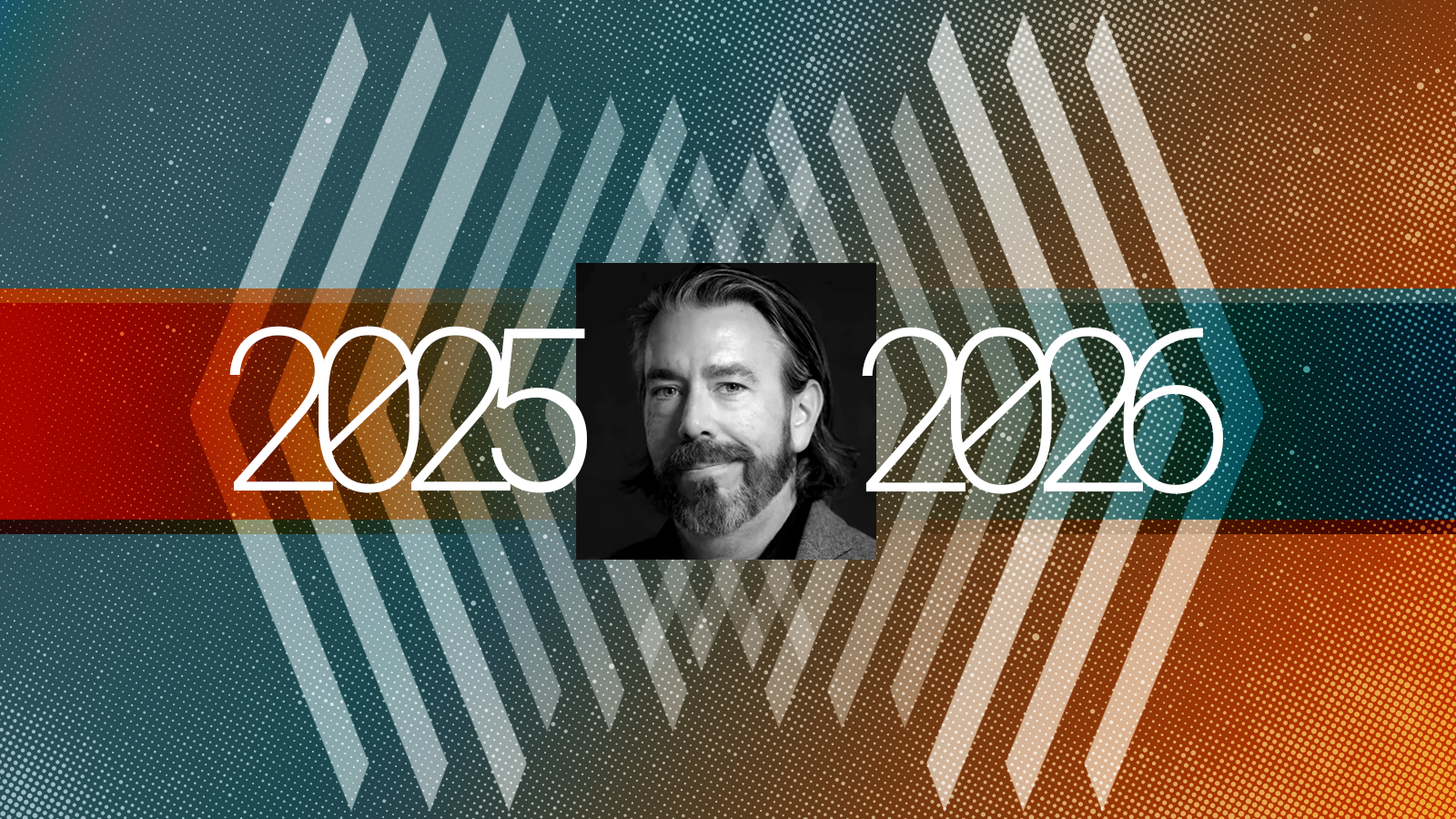
Matt Pohlman is chief executive officer of the Automotive Industry Action Group (AIAG).
Looking back: In 2025, geopolitics, trade enforcement and forced labor regulation stopped feeling abstract and became day-to-day operational reality. What used to live mostly in policy discussions and legal teams suddenly showed up in shipping delays, supplier disruptions and hard business decisions.
At AIAG, we saw this firsthand through the surge of engagement in our Forced Labor Due Diligence (FLDD) program. Companies weren’t just looking for guidance anymore—they needed practical, defensible ways to keep goods moving while meeting fast-rising expectations around traceability and transparency. The real shift in 2025 wasn’t about one big enforcement action. It was the broader realization that compliance can’t be reactive anymore. It has to be built into how you source, how you validate suppliers and how you manage risk across your entire network.
By the end of the year, forced labor compliance had clearly moved into the boardroom. Leaders now understand that the risk isn’t only fines or audit findings—it’s shipment holds, production disruptions, reputational damage and even loss of market access. 2025 was the year compliance truly became a business strategy, not just a regulatory obligation.
Looking ahead: The biggest issue we all need to tackle is how to scale real, usable supply chain visibility—quickly, and in a way that actually works for the full supply base. Regulations are continuing to move fast, but supply chains, especially in complex industries like automotive, can’t change overnight.
What worries me most isn’t whether companies care—most do. The bigger challenge is the gap in capability across the supply base. Large organizations may have the resources, but many small and mid-sized suppliers simply don’t have the tools, teams or systems to keep up on their own. That’s where industry-wide efforts like AIAG’s FLDD program become so important. Not as a one-time fix, but as shared infrastructure that helps raise the baseline for everyone.
For 2026, government leaders need to focus on clarity, consistency and coordination. Industry, on the other hand, needs to double down on collaboration, instead of building isolated solutions.
Matt Pohlman is chief executive officer of the Automotive Industry Action Group (AIAG).
Looking back: In 2025, geopolitics, trade enforcement and forced labor regulation stopped feeling abstract and became day-to-day operational reality. What used to live mostly in policy discussions and legal teams suddenly showed up in shipping delays, supplier disruptions and hard business decisions.
At AIAG, we saw this firsthand through the surge of engagement in our Forced Labor Due Diligence (FLDD) program. Companies weren’t just looking for guidance anymore—they needed practical, defensible ways to keep goods moving while meeting fast-rising expectations around traceability and transparency. The real shift in 2025 wasn’t about one big enforcement action. It was the broader realization that compliance can’t be reactive anymore. It has to be built into how you source, how you validate suppliers and how you manage risk across your entire network.
By the end of the year, forced labor compliance had clearly moved into the boardroom. Leaders now understand that the risk isn’t only fines or audit findings—it’s shipment holds, production disruptions, reputational damage and even loss of market access. 2025 was the year compliance truly became a business strategy, not just a regulatory obligation.
Looking ahead: The biggest issue we all need to tackle is how to scale real, usable supply chain visibility—quickly, and in a way that actually works for the full supply base. Regulations are continuing to move fast, but supply chains, especially in complex industries like automotive, can’t change overnight.
What worries me most isn’t whether companies care—most do. The bigger challenge is the gap in capability across the supply base. Large organizations may have the resources, but many small and mid-sized suppliers simply don’t have the tools, teams or systems to keep up on their own. That’s where industry-wide efforts like AIAG’s FLDD program become so important. Not as a one-time fix, but as shared infrastructure that helps raise the baseline for everyone.
For 2026, government leaders need to focus on clarity, consistency and coordination. Industry, on the other hand, needs to double down on collaboration, instead of building isolated solutions.