About this webinar
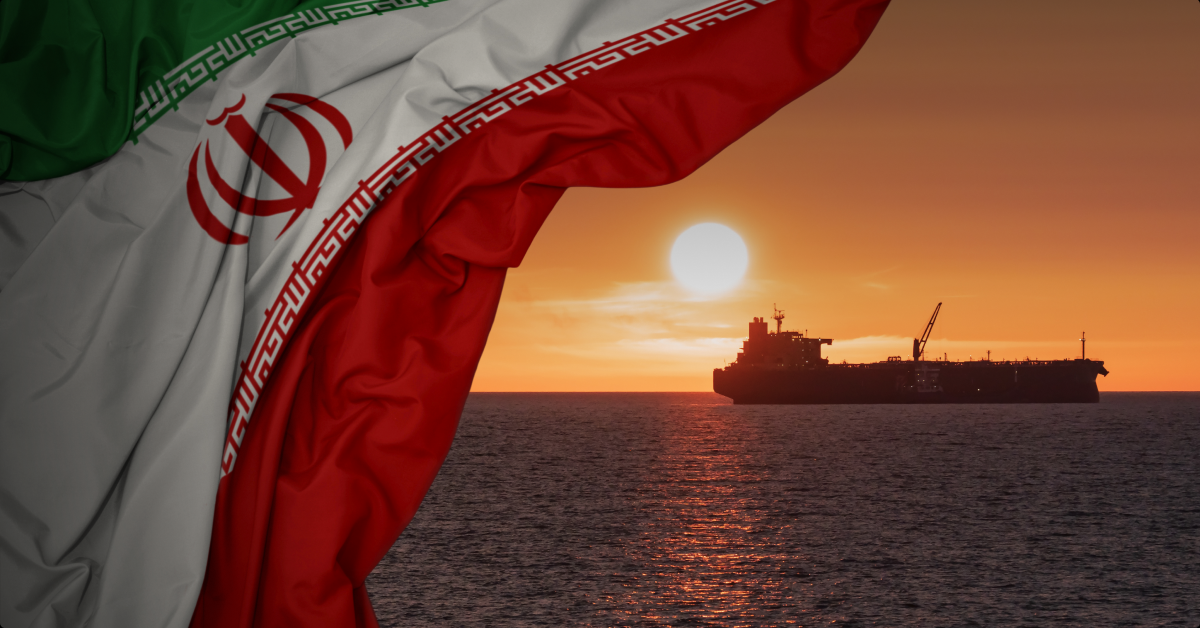
Since the war began, Iran has blocked most traffic through the Strait of Hormuz, while letting tankers carrying its own crude pass through to China.
While the two-week ceasefire announced on April 7 was supposed to reopen the strait, weekend talks in Islamabad collapsed without an agreement. As of April 13, the U.S. military is enforcing a blockade of all Iranian ports and coastal areas, adding a new layer of disruption to an already volatile situation. However, none of that changes the underlying picture: Over the past several years, China has been absorbing roughly 90% of Iran's oil exports, with up to half of that revenue reportedly flowing to the IRGC.
Join Kharon for a 20-minute Quick Take on how these dynamics intersect—and why the ceasefire makes them more urgent, not less. We'll discuss the Chinese networks that have enabled Iran's oil trade—the teapot refineries, shadow fleet operators, and front companies—and what compliance teams should be tracking as these supply chains continue to evolve.