
About this webinar
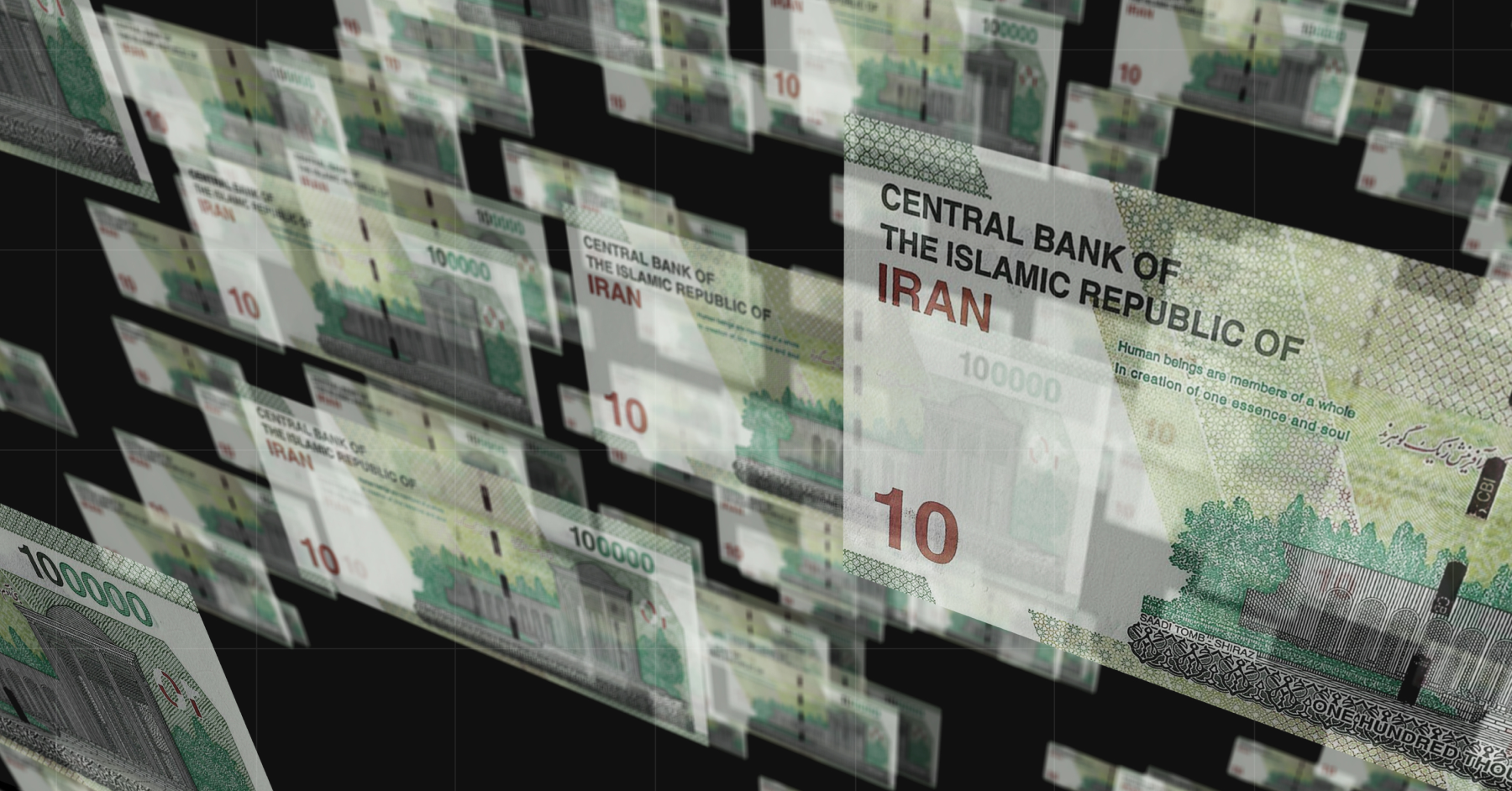
The U.S. government’s recent decision to target five branches of Egypt’s Banque Misr in the UAE offers an early and significant look at how Washington intends to pursue the financial institutions and networks it believes are enabling Iran’s sanctions evasion architecture under the newly-launched Operation Economic Outcast.
On August 28, 2026, FinCEN proposed a Section 311 action that would cut off Banque Misr’s UAE branches from access to the U.S. dollar. In announcing the decision, U.S. officials alleged that the bank’s branches processed roughly $1.8 billion in transactions for 103 companies tied to Iran's shadow banking apparatus. In response, the Central Bank of the UAE announced an investigation into the bank’s operations, adding an important regional regulatory dimension to the U.S. designation.
The campaign hasn't slowed since: on September 4, OFAC designated Golden Global Yatirim Bankasi, an Istanbul-based investment bank, and two affiliates for allegedly moving Iranian oil revenue through Türkiye.
These actions raise broader questions for financial institutions: how exposure to shadow networks develops through customers, counterparties, and correspondent relationships, and what more aggressive U.S. enforcement means for institutions outside the U.S. Addressing that risk takes more than standard compliance practices. Any institution with a risk profile that could carry exposure should review its current controls — and if that review surfaces gaps, leadership and the board need to commit the...