The Biden administration unveiled earlier this month long-awaited guidance on tax credit eligibility for electric vehicles (EV) that could further impact the automotive industry beyond existing regulations on products made with forced labor.
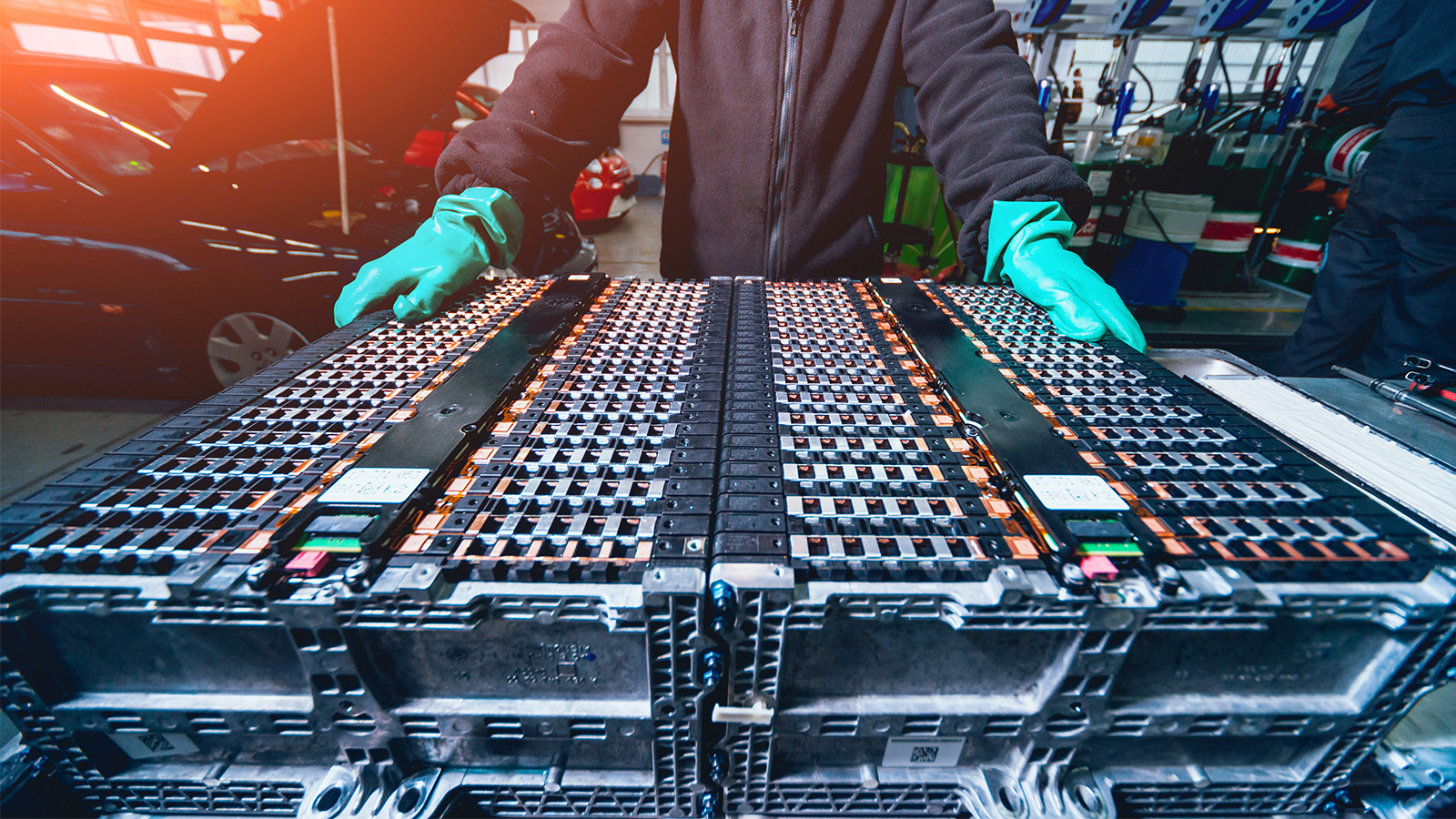
Under the proposed rule, electric vehicles may not qualify for the benefits under the Inflation Reduction Act (IRA) if the vehicle contains battery components or critical minerals that were mined, processed, or recycled by Foreign Entities of Concern (FEOC), which include China, Russia, Iran, and North Korea.
Ensuring supplies of critical minerals has become a key economic and national security policy objective for the U.S. and many other jurisdictions. The new rule represents part of the U.S. government’s strategy for securing supplies of critical minerals and other raw materials, and reducing its dependence on foreign products, particularly from China.
The guidance also follows the U.S. enactment of the Uyghur Forced Labor Prevention Act (UFLPA), which established a “rebuttable presumption” that any products made wholly or in part in Xinjiang are made with forced labor and banned from importation. The presumption applies to goods made with forced labor in other provinces in China.
Currently, China is at the forefront of the EV battery supply chain, including the production of graphite, a mineral used in electric vehicles, Reuters reported.
In order to comply with these new requirements, automakers will need to thoroughly trace and verify the origin of battery components and minerals to ensure compliance at every stage of the mining, processing, and manufacturing process.
The Biden administration also said the rule is intended to spur “a boom in U.S. manufacturing and [strengthen] energy security by building resilient supply chains with allies and partners.”
The rule classifies an entity as a FEOC if a company is incorporated or headquartered in China, Russia, Iran, or North Korea. An entity also falls under a FEOC if the government of those nations controls at least 25 percent of the company’s board seats, voting rights, or equity interests.
Mandates for proactive due diligence of supply chains for EV batteries and critical minerals are essential for compliance with existing regulatory obligations, which address issues such as human rights, forced labor, conflict minerals, and sanctions.
China accounts for about 60 percent of the world’s lithium and 85 percent of rare earth minerals, which are predominately mined in Xinjiang, where the use of forced labor has come under increased scrutiny.
The new EV rules will require automakers to review their supply chains as it relates to the origin of the battery components and critical minerals they export from foreign companies, particularly those in China.
Kharon has found cases of supply chain exposure risks associated with forced labor and Xinjiang-origin critical materials. For example, Xinyi Glass Holdings Limited is a Chinese company that supplies glass and windshields to major automakers, including Western companies.
Xinyi Glass’s supply chains can be traced back to another Chinese company, Xinjiang China Magnesium Jinyuan Mining, that holds prospecting rights granted by the Department of Natural Resources of the Xinjiang Uyghur Autonomous Region over two magnesite mines. The license granted Xinjiang China Magnesium Jinyuan Mining the right to explore and extract magnesium – one of several critical minerals used to make glass – from the Xinjiang mines.
Under the proposed rule, electric vehicles may not qualify for the benefits under the Inflation Reduction Act (IRA) if the vehicle contains battery components or critical minerals that were mined, processed, or recycled by Foreign Entities of Concern (FEOC), which include China, Russia, Iran, and North Korea.
Ensuring supplies of critical minerals has become a key economic and national security policy objective for the U.S. and many other jurisdictions. The new rule represents part of the U.S. government’s strategy for securing supplies of critical minerals and other raw materials, and reducing its dependence on foreign products, particularly from China.
The guidance also follows the U.S. enactment of the Uyghur Forced Labor Prevention Act (UFLPA), which established a “rebuttable presumption” that any products made wholly or in part in Xinjiang are made with forced labor and banned from importation. The presumption applies to goods made with forced labor in other provinces in China.
Currently, China is at the forefront of the EV battery supply chain, including the production of graphite, a mineral used in electric vehicles, Reuters reported.
In order to comply with these new requirements, automakers will need to thoroughly trace and verify the origin of battery components and minerals to ensure compliance at every stage of the mining, processing, and manufacturing process.
The Biden administration also said the rule is intended to spur “a boom in U.S. manufacturing and [strengthen] energy security by building resilient supply chains with allies and partners.”
Compliance and Due Diligence Requirements
Starting in 2024, electric vehicles eligible for the tax credits cannot contain battery components that are manufactured or assembled by a FEOC. And at the beginning of 2025, the same rule will extend to critical minerals that were extracted, processed, or recycled by a FEOC.The rule classifies an entity as a FEOC if a company is incorporated or headquartered in China, Russia, Iran, or North Korea. An entity also falls under a FEOC if the government of those nations controls at least 25 percent of the company’s board seats, voting rights, or equity interests.
Mandates for proactive due diligence of supply chains for EV batteries and critical minerals are essential for compliance with existing regulatory obligations, which address issues such as human rights, forced labor, conflict minerals, and sanctions.
China accounts for about 60 percent of the world’s lithium and 85 percent of rare earth minerals, which are predominately mined in Xinjiang, where the use of forced labor has come under increased scrutiny.
The new EV rules will require automakers to review their supply chains as it relates to the origin of the battery components and critical minerals they export from foreign companies, particularly those in China.
Kharon has found cases of supply chain exposure risks associated with forced labor and Xinjiang-origin critical materials. For example, Xinyi Glass Holdings Limited is a Chinese company that supplies glass and windshields to major automakers, including Western companies.
Xinyi Glass’s supply chains can be traced back to another Chinese company, Xinjiang China Magnesium Jinyuan Mining, that holds prospecting rights granted by the Department of Natural Resources of the Xinjiang Uyghur Autonomous Region over two magnesite mines. The license granted Xinjiang China Magnesium Jinyuan Mining the right to explore and extract magnesium – one of several critical minerals used to make glass – from the Xinjiang mines.
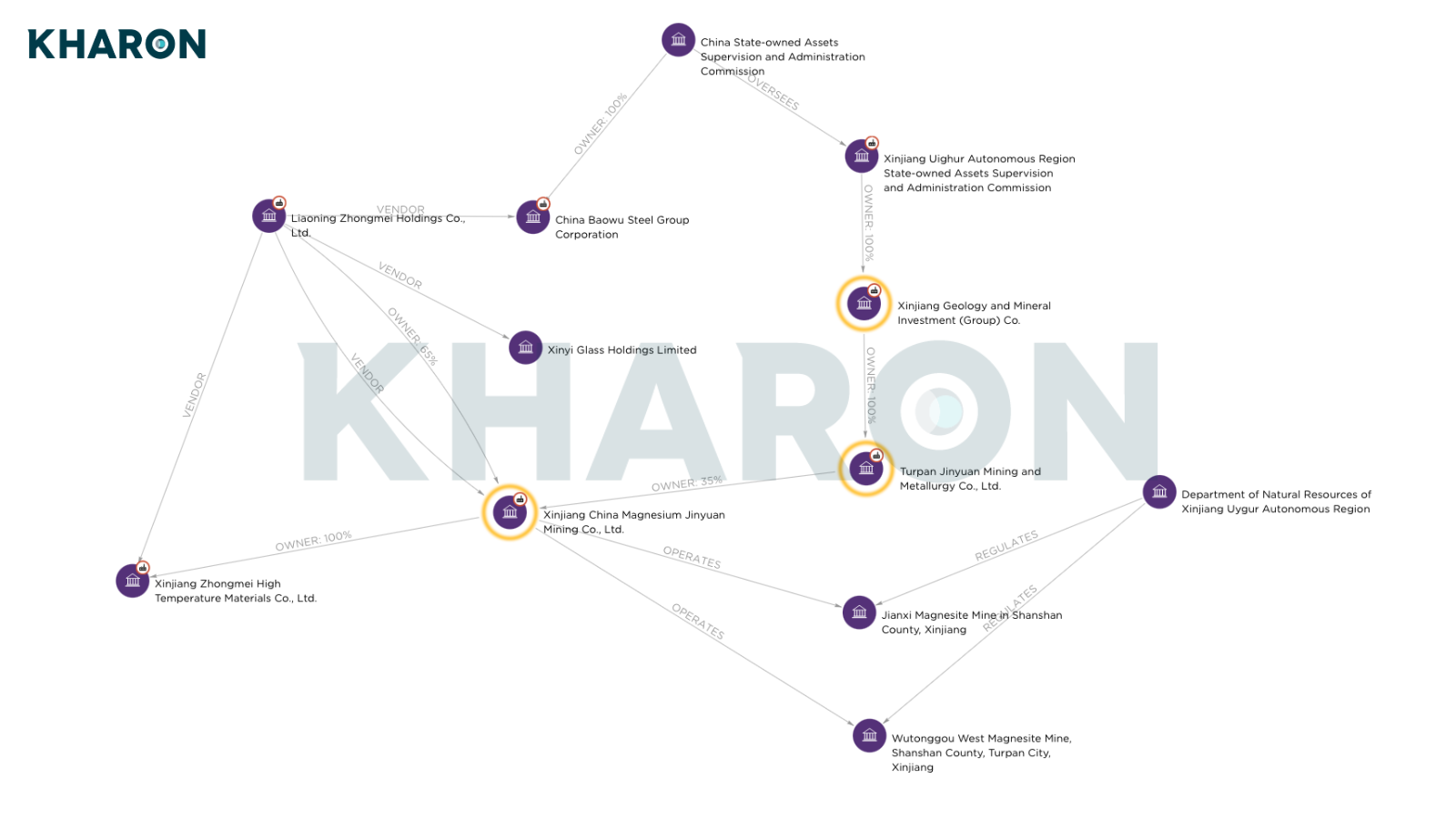
Kharon users can explore the network and supply chain of Xinyi Glass Holdings Limited in Kharon Clearview. Click here to view.
The guidance also comes as the Biden administration has been pushing consumers away from the use of fossil fuels and into renewable energy as it hopes to achieve its goal of having 50 percent of all new car sales electric by 2030.
Jennifer Safavian, president and CEO of Autos Drive America, a trade group for foreign automakers, told Politico that “while automakers in the U.S. are working to build up domestic supply chains and diversify their sourcing, this shift will take time.”
The guidance also comes as the Biden administration has been pushing consumers away from the use of fossil fuels and into renewable energy as it hopes to achieve its goal of having 50 percent of all new car sales electric by 2030.
Jennifer Safavian, president and CEO of Autos Drive America, a trade group for foreign automakers, told Politico that “while automakers in the U.S. are working to build up domestic supply chains and diversify their sourcing, this shift will take time.”