Hytera Communications Corp. Ltd., a Chinese technology firm charged in an indictment partially unsealed last week for allegedly stealing a rival’s trade secrets, has ties to China’s public security apparatus, and its subsidiaries have won contracts with the U.S. government despite a U.S. ban, according to a review by Kharon.
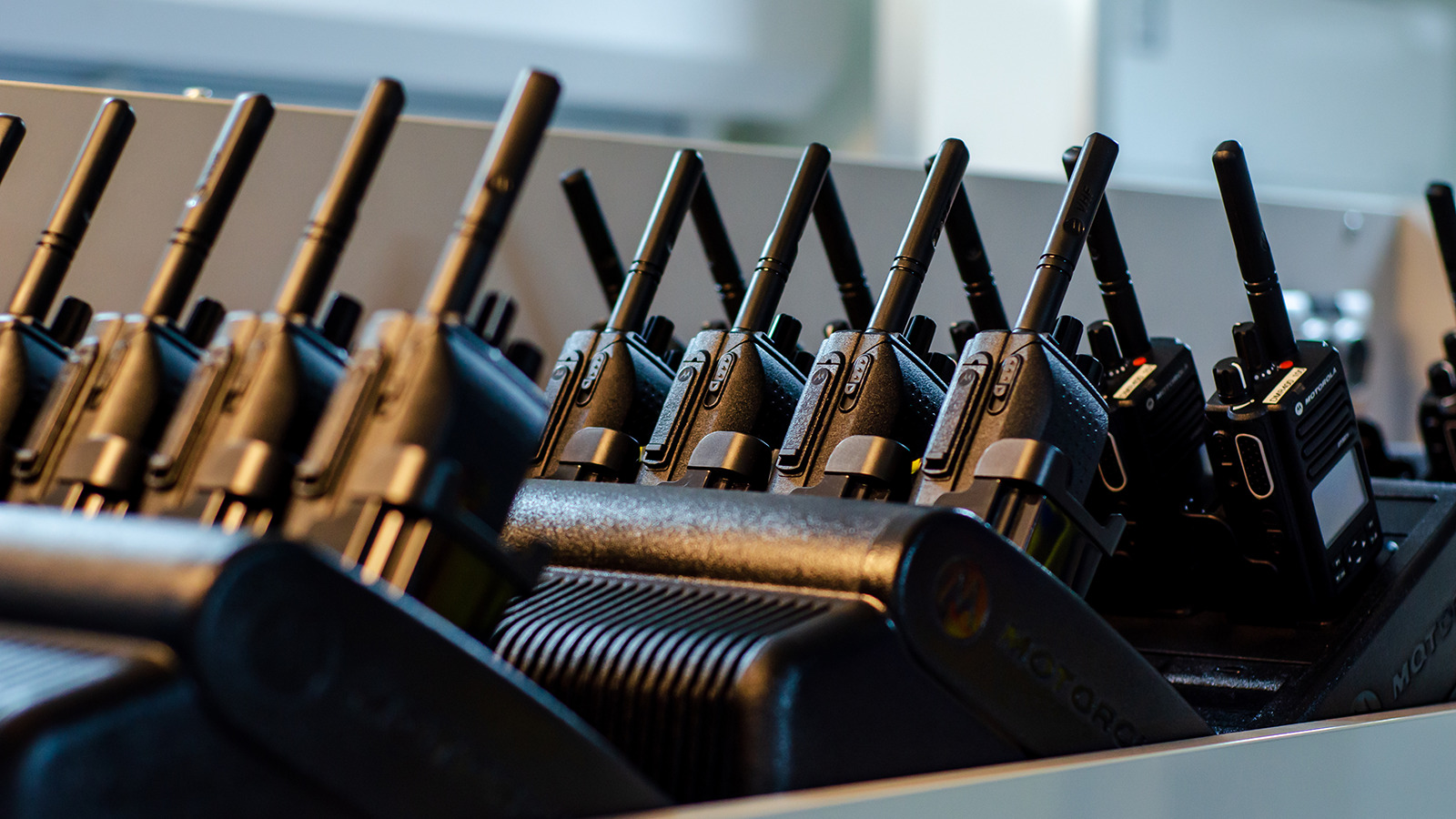
Hytera recruited and hired employees of Chicago-based Motorola Solutions Corp., and directed them to take trade secret information concerning Motorola’s digital mobile radio (DMR) technology from their former company without authorization, prosecutors said. DMR is more commonly known as a “walkie-talkie.” Hytera, which wanted to accelerate the development of its products, and market and sell them across the globe, offered higher pay and more benefits to poach workers from Motorola, prosecutors said. Some of the recruited employees sent emails about their intentions to use the technology at Hytera while still under Motorola’s employ, according to prosecutors.
The 21-count criminal indictment follows a civil dispute on the matter between the two firms won by Motorola; a judge lowered the penalty amount, but Hytera is still appealing the judgment.
Hytera’s U.S. subsidiary said in a statement that it is aware of the criminal charges, and that the allegations are grounded in activities that occurred in China well before it was founded. In a filing with the Shenzhen Stock Exchange, the China-based parent company said it is “deeply disappointed” by the allegations, which it believes to be unsubstantiated.
“The company strongly opposes the allegations made by the [U.S. Justice Department], and will resolutely respond to this matter with legal means and facts, and resolutely safeguard the legitimate interests of the company,” Hytera said.
Hytera has a large market share of the Chinese domestic public security industry, covering most provincial and municipal public security users, according to its 2020 annual report.
Police agencies in the region of Xinjiang, where the U.S. and others accuse Beijing of conducting a genocide, are among those buying Hytera’s walkie-talkies and body cameras, Chinese government records show. The U.S. has restricted exports to and Americans from investing in firms with ties to Xinjiang security agencies.
The company has come under U.S. scrutiny beyond the trade-secret issues.
Last year, Hytera was one of five companies listed by the Federal Communications Commission (FCC) as a communications equipment and services provider that poses a U.S. national security threat. Hytera told the FCC that it has no ties to the Chinese Communist Party, but in China the company boasted that its Americas division head was a party member, according to a November 2021 report by IPVM, a surveillance-technology focused media outlet.
In 2020, the U.S. federal government implemented a ban on using Hytera equipment, including commercially available off-the-shelf items, for the purpose of public safety, security of government facilities, surveillance of critical infrastructure or other national security purposes.
The ban was imposed under a provision of a 2019 U.S. national defense authorization law that had identified Hytera and a number of other Chinese firms by name as being subject to the procurement prohibition. It also applied to the Chinese companies’ subsidiaries and affiliates.
The provision took effect in two phases: A purchase prohibition came into force in August 2019, and an interim rule banning the use of the equipment began in October 2020. A final rule is expected to take effect in March, according to a regulatory timetable published Jan. 31 in the Federal Register.
“This [Federal Acquisition Regulation] rule is needed to protect U.S. networks against cyber activities conducted through Chinese government-supported telecommunications equipment and services,” the timetable said.
Compliance with the regulations “will present a potentially significant additional compliance burden for companies that do business with U.S. federal agencies,” the law firm Herbert Smith Freehills said in a client note in October 2020, when the interim rule took effect.
Two Hytera subsidiaries, the U.S.-based Powertrunk Inc. and Canada-based Norsat International Inc., each have ongoing “multiple award schedule” contracts with the U.S. Government Services Administration (GSA), according to a review by Kharon. A multiple award schedule is a GSA contract to provide similar products or services to various U.S. government agencies. The contract period for Powertrunk runs from June 2021 through June 2026, while the Norsat International deal spans 2006 to 2026, according to GSA data.
It’s unclear from the data whether the companies received waivers to continue the contracts.
The U.S. Defense Department has also procured Norsat International telecommunications equipment directly and through distributors within the past two years, records show.
The products obtained by the Pentagon include antenna systems and low-noise block downconverters, which are used to receive satellite signals, according to procurement records. The U.S. Air Force also had a contract to procure a part from Norsat’s antenna equipment via a distributor, records show.
Hytera recruited and hired employees of Chicago-based Motorola Solutions Corp., and directed them to take trade secret information concerning Motorola’s digital mobile radio (DMR) technology from their former company without authorization, prosecutors said. DMR is more commonly known as a “walkie-talkie.” Hytera, which wanted to accelerate the development of its products, and market and sell them across the globe, offered higher pay and more benefits to poach workers from Motorola, prosecutors said. Some of the recruited employees sent emails about their intentions to use the technology at Hytera while still under Motorola’s employ, according to prosecutors.
The 21-count criminal indictment follows a civil dispute on the matter between the two firms won by Motorola; a judge lowered the penalty amount, but Hytera is still appealing the judgment.
Hytera’s U.S. subsidiary said in a statement that it is aware of the criminal charges, and that the allegations are grounded in activities that occurred in China well before it was founded. In a filing with the Shenzhen Stock Exchange, the China-based parent company said it is “deeply disappointed” by the allegations, which it believes to be unsubstantiated.
“The company strongly opposes the allegations made by the [U.S. Justice Department], and will resolutely respond to this matter with legal means and facts, and resolutely safeguard the legitimate interests of the company,” Hytera said.
Hytera has a large market share of the Chinese domestic public security industry, covering most provincial and municipal public security users, according to its 2020 annual report.
Police agencies in the region of Xinjiang, where the U.S. and others accuse Beijing of conducting a genocide, are among those buying Hytera’s walkie-talkies and body cameras, Chinese government records show. The U.S. has restricted exports to and Americans from investing in firms with ties to Xinjiang security agencies.
The company has come under U.S. scrutiny beyond the trade-secret issues.
Last year, Hytera was one of five companies listed by the Federal Communications Commission (FCC) as a communications equipment and services provider that poses a U.S. national security threat. Hytera told the FCC that it has no ties to the Chinese Communist Party, but in China the company boasted that its Americas division head was a party member, according to a November 2021 report by IPVM, a surveillance-technology focused media outlet.
In 2020, the U.S. federal government implemented a ban on using Hytera equipment, including commercially available off-the-shelf items, for the purpose of public safety, security of government facilities, surveillance of critical infrastructure or other national security purposes.
The ban was imposed under a provision of a 2019 U.S. national defense authorization law that had identified Hytera and a number of other Chinese firms by name as being subject to the procurement prohibition. It also applied to the Chinese companies’ subsidiaries and affiliates.
The provision took effect in two phases: A purchase prohibition came into force in August 2019, and an interim rule banning the use of the equipment began in October 2020. A final rule is expected to take effect in March, according to a regulatory timetable published Jan. 31 in the Federal Register.
“This [Federal Acquisition Regulation] rule is needed to protect U.S. networks against cyber activities conducted through Chinese government-supported telecommunications equipment and services,” the timetable said.
Compliance with the regulations “will present a potentially significant additional compliance burden for companies that do business with U.S. federal agencies,” the law firm Herbert Smith Freehills said in a client note in October 2020, when the interim rule took effect.
Two Hytera subsidiaries, the U.S.-based Powertrunk Inc. and Canada-based Norsat International Inc., each have ongoing “multiple award schedule” contracts with the U.S. Government Services Administration (GSA), according to a review by Kharon. A multiple award schedule is a GSA contract to provide similar products or services to various U.S. government agencies. The contract period for Powertrunk runs from June 2021 through June 2026, while the Norsat International deal spans 2006 to 2026, according to GSA data.
It’s unclear from the data whether the companies received waivers to continue the contracts.
The U.S. Defense Department has also procured Norsat International telecommunications equipment directly and through distributors within the past two years, records show.
The products obtained by the Pentagon include antenna systems and low-noise block downconverters, which are used to receive satellite signals, according to procurement records. The U.S. Air Force also had a contract to procure a part from Norsat’s antenna equipment via a distributor, records show.