The Trump administration published a new rule Monday addressing the contentious tech-leakage loophole that had allowed Nvidia’s prolific sales and rentals of its advanced-chip power to Megaspeed, the Singaporean company led by an alleged Chinese spy.
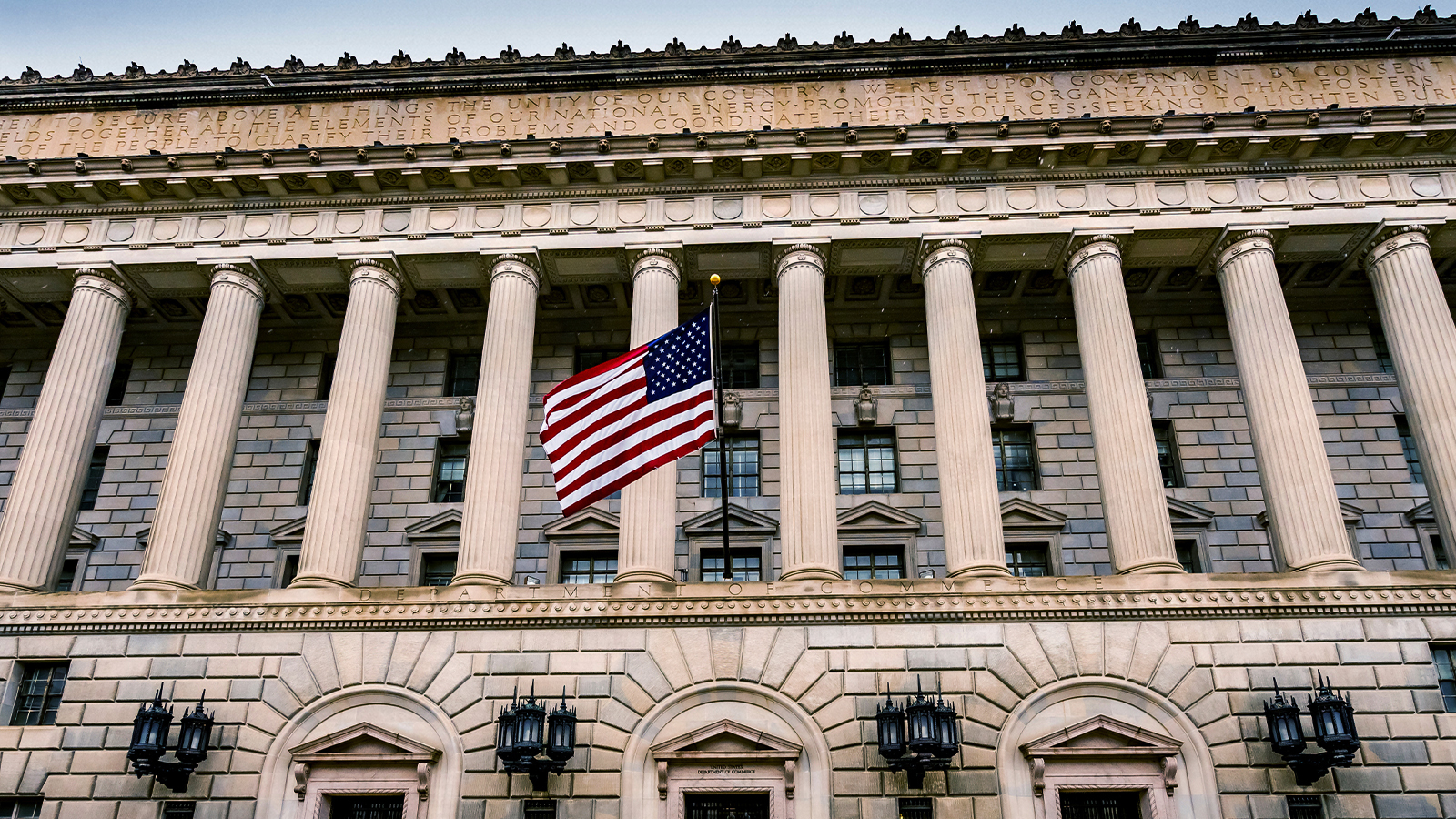
The interim final rule, issued by the Commerce Department’s Bureau of Industry and Security (BIS) and taking effect immediately, expands the list of countries requiring export licenses for compute power to include five additional countries, including the Megaspeed network’s three hubs of Indonesia, Malaysia, and Singapore.
It also strengthens due-diligence requirements to ensure, it says, that U.S. computing power in foreign data centers “is not used in a manner contrary to U.S. national security or foreign policy interests.”
“The rule is designed to ensure that existing restrictions on access to sensitive American technology cannot be circumvented through remote computing arrangements involving data centers in third countries,” BIS said in a press release accompanying the rollout.
The first line of that press release, unusually, noted that the rule was “written by and at the direction of the Department of Treasury and the National Security Council.”
The action follows months of criticism from lawmakers, outside China hawks, and, reportedly, Treasury Secretary Scott Bessent and Secretary of State Marco Rubio that Commerce had essentially left Chinese firms free to rent the advanced Nvidia computing power they were barred from buying.
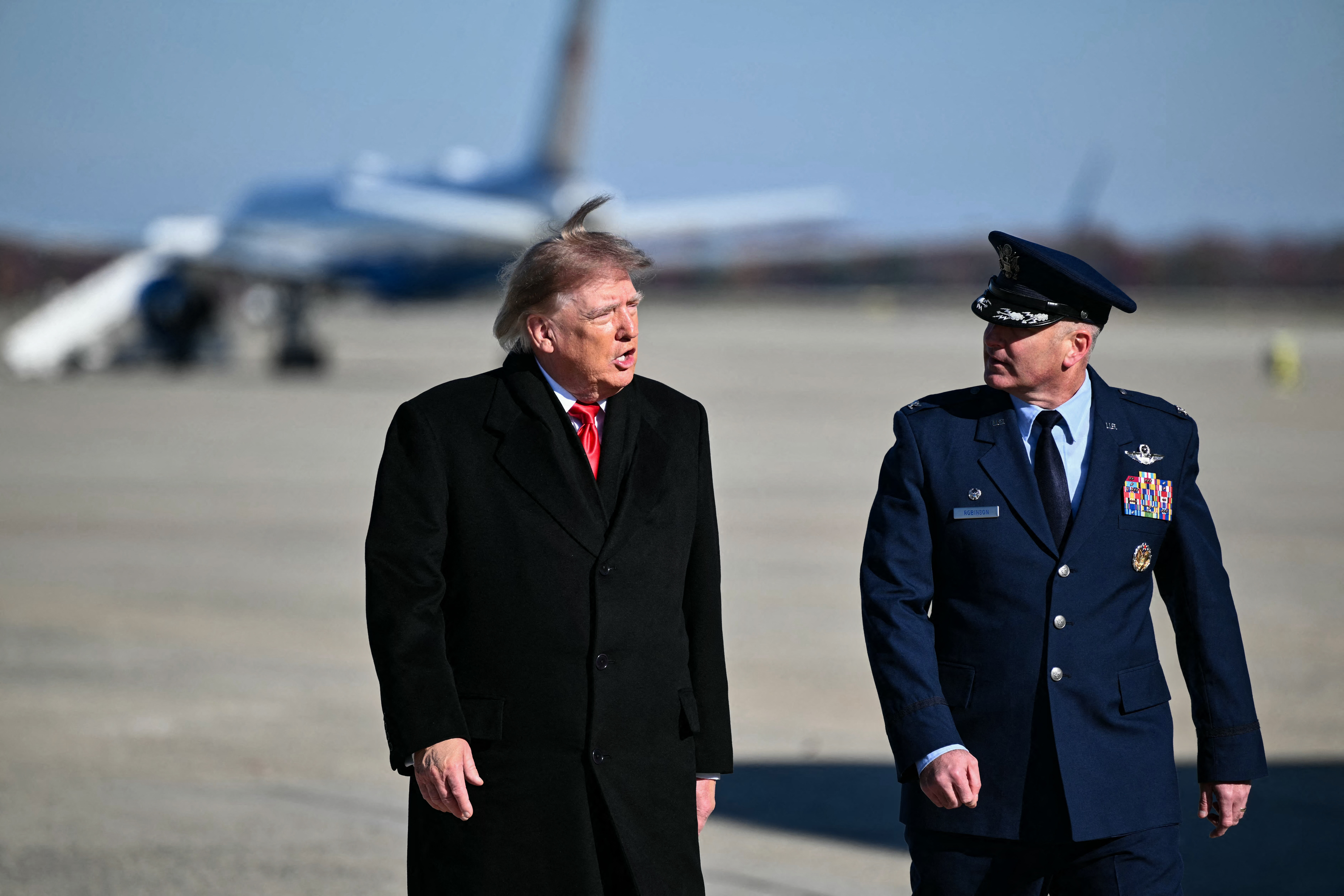
President Trump at Joint Base Andrews, in Maryland, on Monday, ahead of flying to Asia. (Mandel Ngan/AFP via Getty Images)
Analysts said the rule is likely to inject diplomatic friction into already-tenuous U.S.-China trade talks, as the Trump administration seeks to extend a detente reached last year. President Trump appeared to acknowledge those risks himself Monday morning, before departing to Asia for regional summits in the Philippines and China.
“We have a very good relationship with China,” he said, in response to a question about the administration’s infighting over chip restrictions, “and I don’t think you want to insult China just before you get there.”
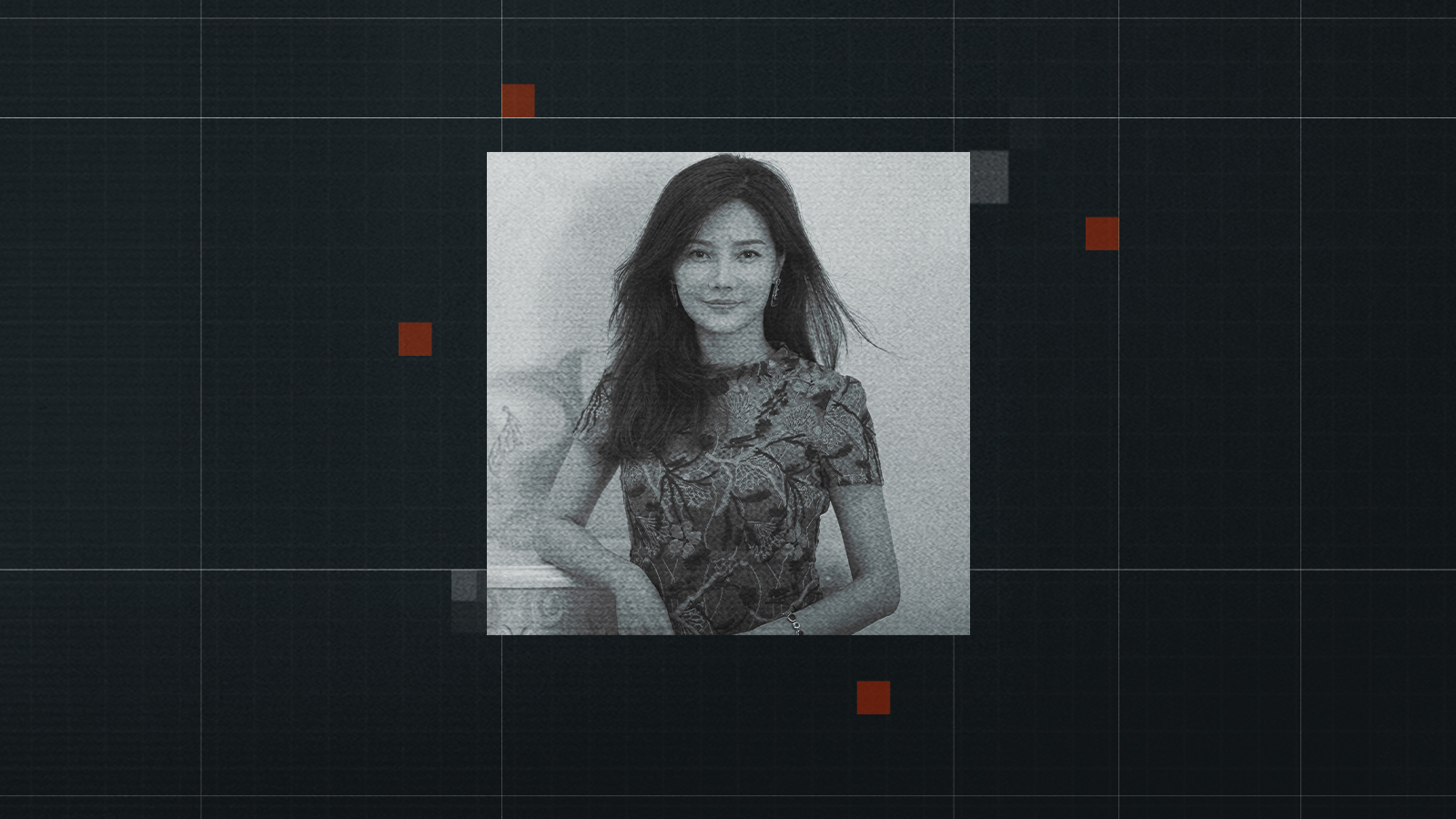
The House had passed a bill to close the remote-access gap in January, by an overwhelming margin, but it stalled in the Senate. The explosive recent revelations of Nvidia CEO Jensen Huang’s extramarital affair with Megaspeed’s Alice Huang, whom U.S. intelligence determined to be a Chinese asset, then turned up the heat again.
In addition to allegedly smuggling billions of dollars’ worth of restricted American AI chips to China, Alice Huang’s network also acquired and rented out compute capacity for Chinese companies to train their AI systems or re-rent it in turn, records show, exploiting a remote-access loophole in U.S. export-control policy.
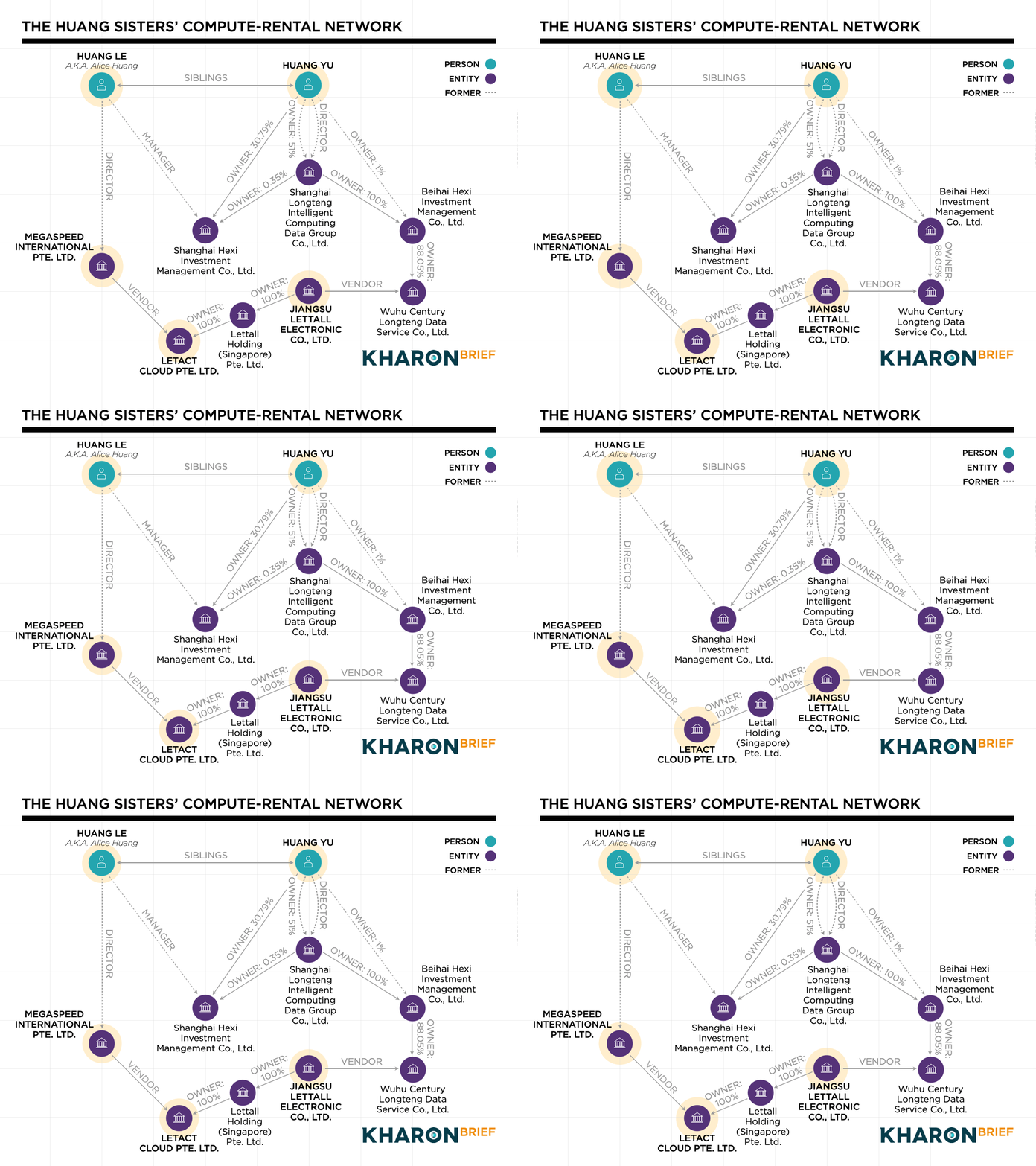
Monday’s rule, whose planning was first reported last week by The Information, adds Brazil, Indonesia, Malaysia, Singapore, and Thailand to its AI-chip export-restriction list, to stop Chinese companies from accessing that compute power remotely. It adds further export restrictions for a list of high-risk countries, such as China, Iran, and Russia, that are subject to U.S. arms embargoes.
Commerce also said that it plans to step up surveillance, saying it will be “actively monitoring for countries that tolerate evasion” of the rule and will consider imposing penalties for offenders. Potential censure includes import restrictions, chip export restrictions, downgrading a country’s export status, and Entity List designations.
The Biden administration had issued two rules that would have cracked down on remote access, including Know-Your-Customer vetting requirements, before the Trump administration rescinded one and declined to push ahead with the other.
Peter Harrell, who was a senior White House national security and economics advisor in the Obama and Biden administrations, told The Brief on Thursday that Trump administration officials had resisted imposing such regulations over concerns they could inflame the trade war with China.
“It is long past time to close this loophole,” Harrell, a senior fellow in the Center for Geoeconomic Studies at the Council on Foreign Relations, had said then. “It’s bizarre to me that we are still allowing Chinese companies to rent the most advanced compute in the world via data centers in Southeast Asia and frankly, in the United States and elsewhere.”
Read more from The Brief:

Kharon Semiconductor Export Control Solutions
Verified Intelligence on Restricted Parties, Their Affiliates, and End-Use Risk — Across the Semiconductor Value Chain