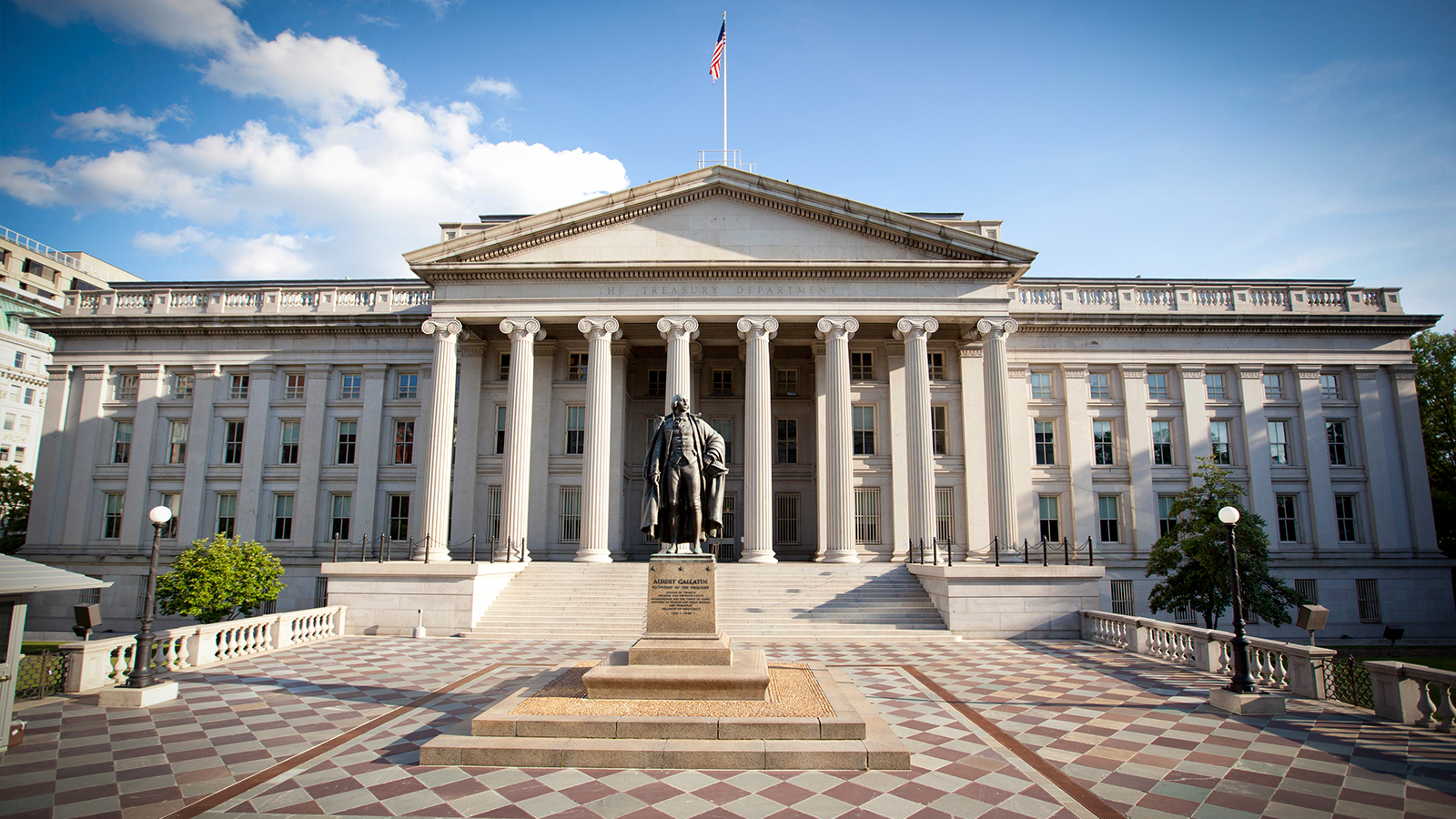
A New York-based insurance company of luxury items, Privilege Underwriters Reciprocal Exchange (PURE), agreed in December to pay $466,200 to the U.S. Department of the Treasury to settle potential civil liability for apparent violations of the Russia-Related Sanctions Regulations.
According to the Treasury, between 2018 and 2020, PURE engaged in 39 transactions totaling over $300,000 with a blocked Panama-based company owned by Viktor Vekselberg, a U.S.-sanctioned Russian businessman.
Vekselberg, a prominent Russian oligarch, has been a significant figure in the business world with extensive investments in various sectors. In April 2018, the Treasury’s Office of Foreign Assets Control (OFAC) added him to its List of Specially Designated Nationals and Blocked Persons under Executive Order 13662.
PURE provided insurance to Medallion, Inc., Vekselberg's company, prior to the U.S. sanctions against the oligarch. However, under the "OFAC 50 Percent Rule," which states that any entity owned 50 percent or more by a blocked person is also considered blocked. Medallion became a blocked entity as a result of Vekselberg's designation.
Despite the rule, PURE continued to conduct business with Medallion, including collecting premium payments and paying a $7,500 claim.
According to the Treasury, PURE neglected to follow some of its compliance obligations, including incorporating essential ownership information into its sanctions screening program, conducting due diligence after the imposition of new sanctions, and having knowledge of business dealings with a blocked person.
These oversights resulted in economic benefits to a sanctioned individual over a period of two years, underscoring a significant lapse in compliance.
According to the Treasury, between 2018 and 2020, PURE engaged in 39 transactions totaling over $300,000 with a blocked Panama-based company owned by Viktor Vekselberg, a U.S.-sanctioned Russian businessman.
Vekselberg, a prominent Russian oligarch, has been a significant figure in the business world with extensive investments in various sectors. In April 2018, the Treasury’s Office of Foreign Assets Control (OFAC) added him to its List of Specially Designated Nationals and Blocked Persons under Executive Order 13662.
PURE provided insurance to Medallion, Inc., Vekselberg's company, prior to the U.S. sanctions against the oligarch. However, under the "OFAC 50 Percent Rule," which states that any entity owned 50 percent or more by a blocked person is also considered blocked. Medallion became a blocked entity as a result of Vekselberg's designation.
Despite the rule, PURE continued to conduct business with Medallion, including collecting premium payments and paying a $7,500 claim.
According to the Treasury, PURE neglected to follow some of its compliance obligations, including incorporating essential ownership information into its sanctions screening program, conducting due diligence after the imposition of new sanctions, and having knowledge of business dealings with a blocked person.
These oversights resulted in economic benefits to a sanctioned individual over a period of two years, underscoring a significant lapse in compliance.
| “This case demonstrates the importance of implementing and maintaining effective, risk-based sanctions compliance controls. Such controls should capture and incorporate all relevant available information to conduct responsive and regular screening, including risk-based steps to comply with OFAC’s 50 Percent Rule and to account for changes to applicable sanctions.” - Office of Foreign Assets Control (OFAC) |
The Treasury noted that PURE had no prior violations in the preceding five years. The company also cooperated with OFAC’s investigation and implemented remedial measures such as customer base screening and updating underwriting processes for compliance. These factors were taken into account when finalizing the settlement.
The statutory maximum civil monetary penalty for PURE's case could have reached nearly $14 million dollars. OFAC said that even though PURE did not voluntarily self-disclose the matter, the violations were deemed as non-egregious.
Following OFAC’s Economic Sanctions Enforcement Guidelines, the base penalty was set at $666,000. However, taking into account the General Factors under these guidelines, the final settlement was reduced to $466,200.
The statutory maximum civil monetary penalty for PURE's case could have reached nearly $14 million dollars. OFAC said that even though PURE did not voluntarily self-disclose the matter, the violations were deemed as non-egregious.
Following OFAC’s Economic Sanctions Enforcement Guidelines, the base penalty was set at $666,000. However, taking into account the General Factors under these guidelines, the final settlement was reduced to $466,200.