
The U.S. Treasury Department in May sanctioned Chinese national Li Genping and his trading company Hitex Insulation Ningbo Company Limited for supplying “millions of dollars’ worth” of carbon fiber and other aerospace‑grade raw materials to Iran.
The Office of Foreign Assets Control’s (OFAC) 50% rule means that any company Li majority-owns would have been automatically blocked, too. But, like many sanctioned actors, Li appears to have attempted an end-around: Soon after his designation, a Kharon review found, he transferred another one of his firms with international business to a new owner.
Materially speaking, little appears to have changed.
Among those countries, according to trade data, are India, Kazakhstan, the Philippines, Vietnam — and the U.S.
But Li Genlong isn’t a fresh face in this network: According to corporate disclosures as of 2023, he was a minority owner of sanctioned Hitex Insulation himself.
The Office of Foreign Assets Control’s (OFAC) 50% rule means that any company Li majority-owns would have been automatically blocked, too. But, like many sanctioned actors, Li appears to have attempted an end-around: Soon after his designation, a Kharon review found, he transferred another one of his firms with international business to a new owner.
Materially speaking, little appears to have changed.
Red flags under ‘new’ management
The newly transferred company, Hitex Composite Ningbo, is a manufacturer and supplier that specializes in “advanced composite materials, electrical insulation materials, and thermal insulation solutions,” according to its profile on a B2B commerce site. It says it exports to more than 30 countries.Among those countries, according to trade data, are India, Kazakhstan, the Philippines, Vietnam — and the U.S.
- The most recent shipment: $20,529.23 worth of “high silica texturized fabric” that went to an Indiana company in April.
But Li Genlong isn’t a fresh face in this network: According to corporate disclosures as of 2023, he was a minority owner of sanctioned Hitex Insulation himself.
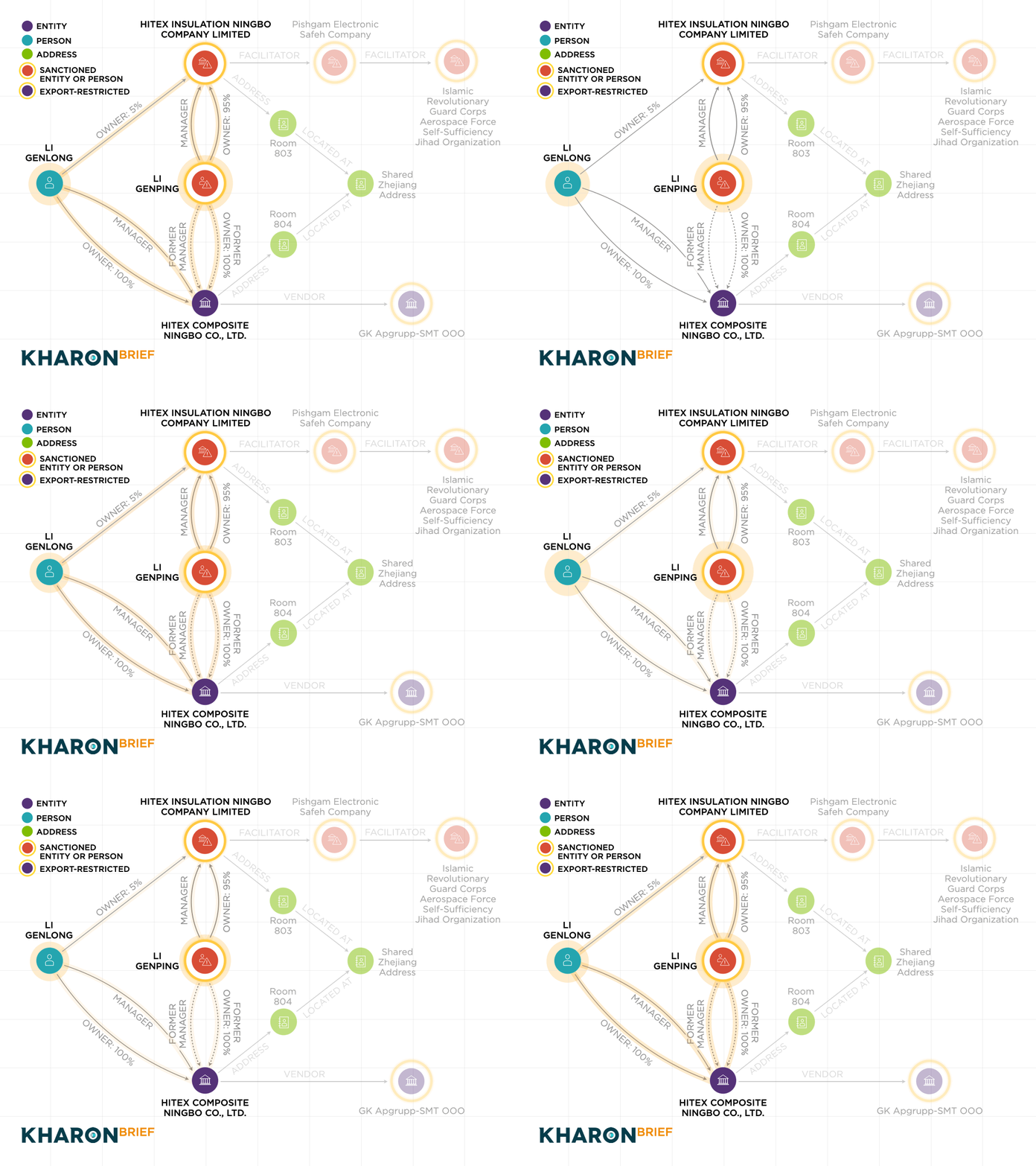
Kharon users can explore this network in greater detail through the ClearView platform.
Location, location, location: According to Treasury and the most recently available corporate disclosures, Hitex Composite lists an address on the same floor in the same Zhejiang building as its sanctioned sibling, just one room apart.
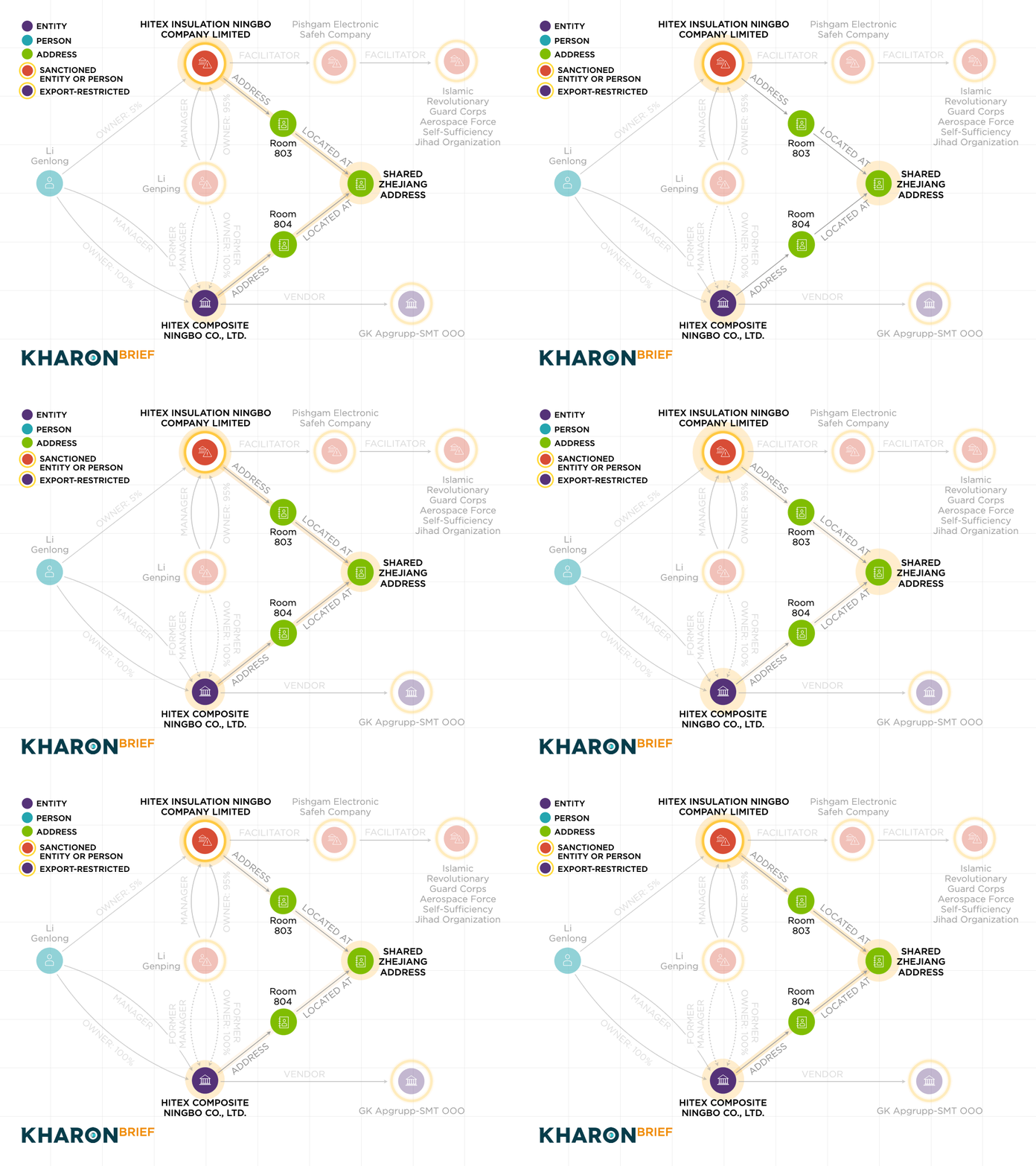
- Sharing an address with a listed party, according to Treasury’s Financial Crimes Enforcement Network (FinCEN) and the Commerce Department’s Bureau of Industry and Security (BIS), is a common red flag for evasion activity.
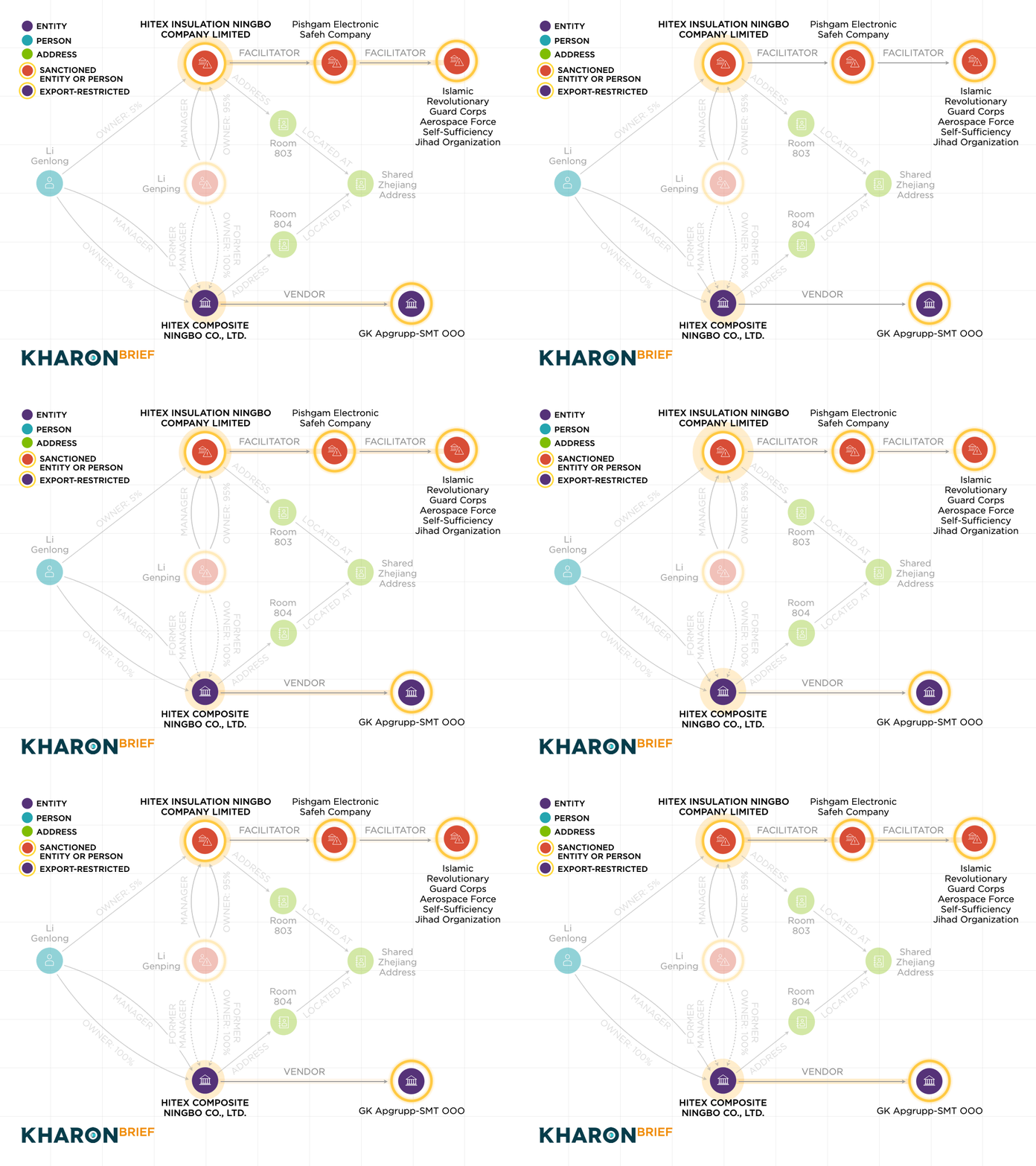
Between August 2022 and February 2024, trade records show, Hitex Composite sent dozens of shipments of industrial fibers and advanced composites to a Russian industrial-equipment trader that the EU later subjected to export restrictions.
In brief
The reshuffle around Hitex Composite means that it no longer strictly falls under OFAC’s 50% rule. But its next-door neighbor, its Russia sales, and the ties of its new owner raise their own red flags.Read more sanctions-evasion-related coverage from The Brief: