For years now, restrictions have led Iran to rely on “shadow” banking networks designed to evade sanctions. The Treasury Department says those networks now handle billions of dollars’ worth of transactions each year, typically through Iran-based currency traders to front companies they control abroad.
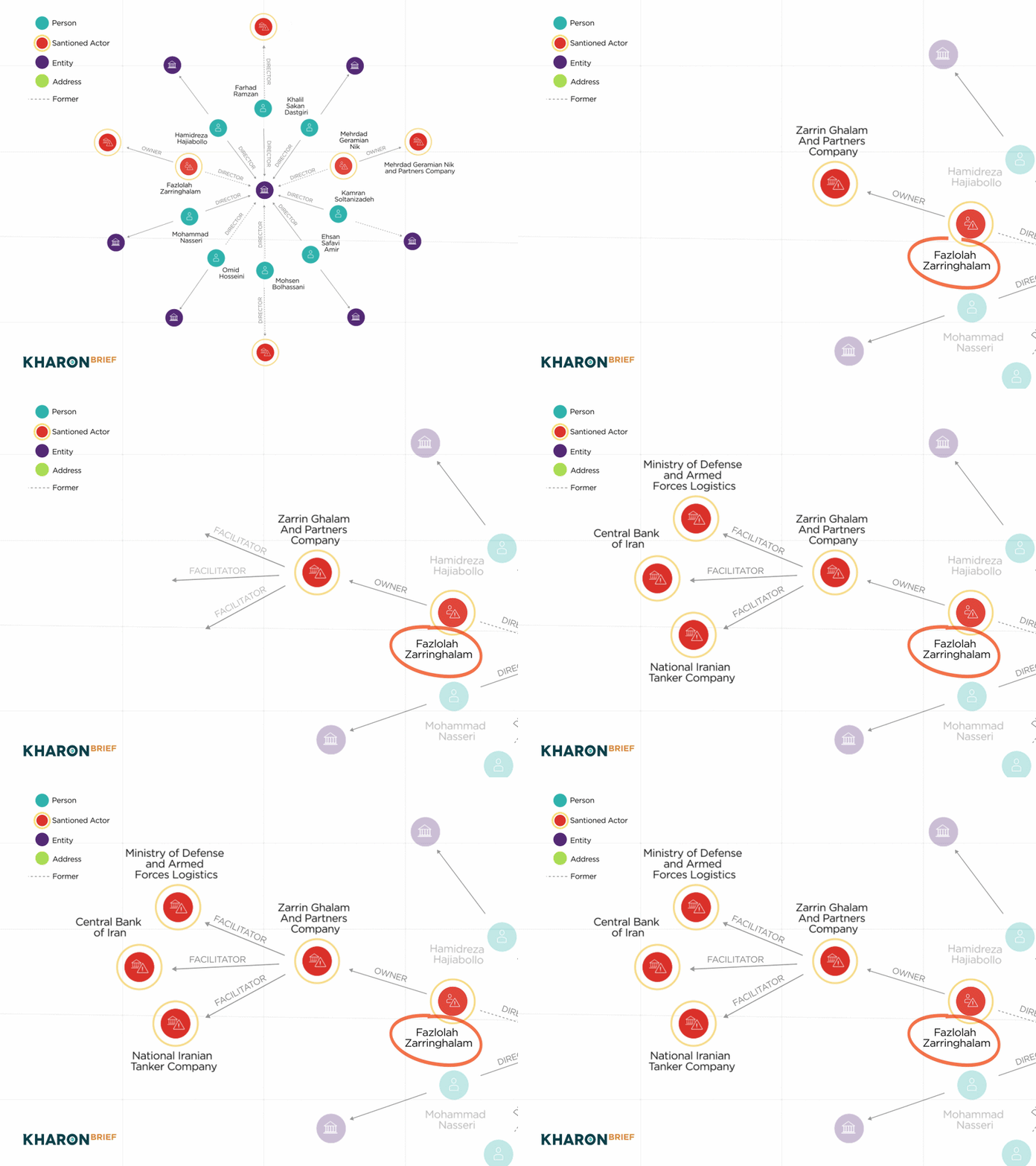
The Iranian Money Changers Society and its leaders have been at the center of it. Closely regulated by the country’s Central Bank, the Society is the main industry association for Iran’s currency-trading community, representing more than 600 exchange companies. It’s directed by a small high council, whose members in turn control their own private exchange houses.
And, dating to President Trump’s first term, sanctions targeting the Society’s networks keep piling up — even though the Society itself hasn’t been hit.

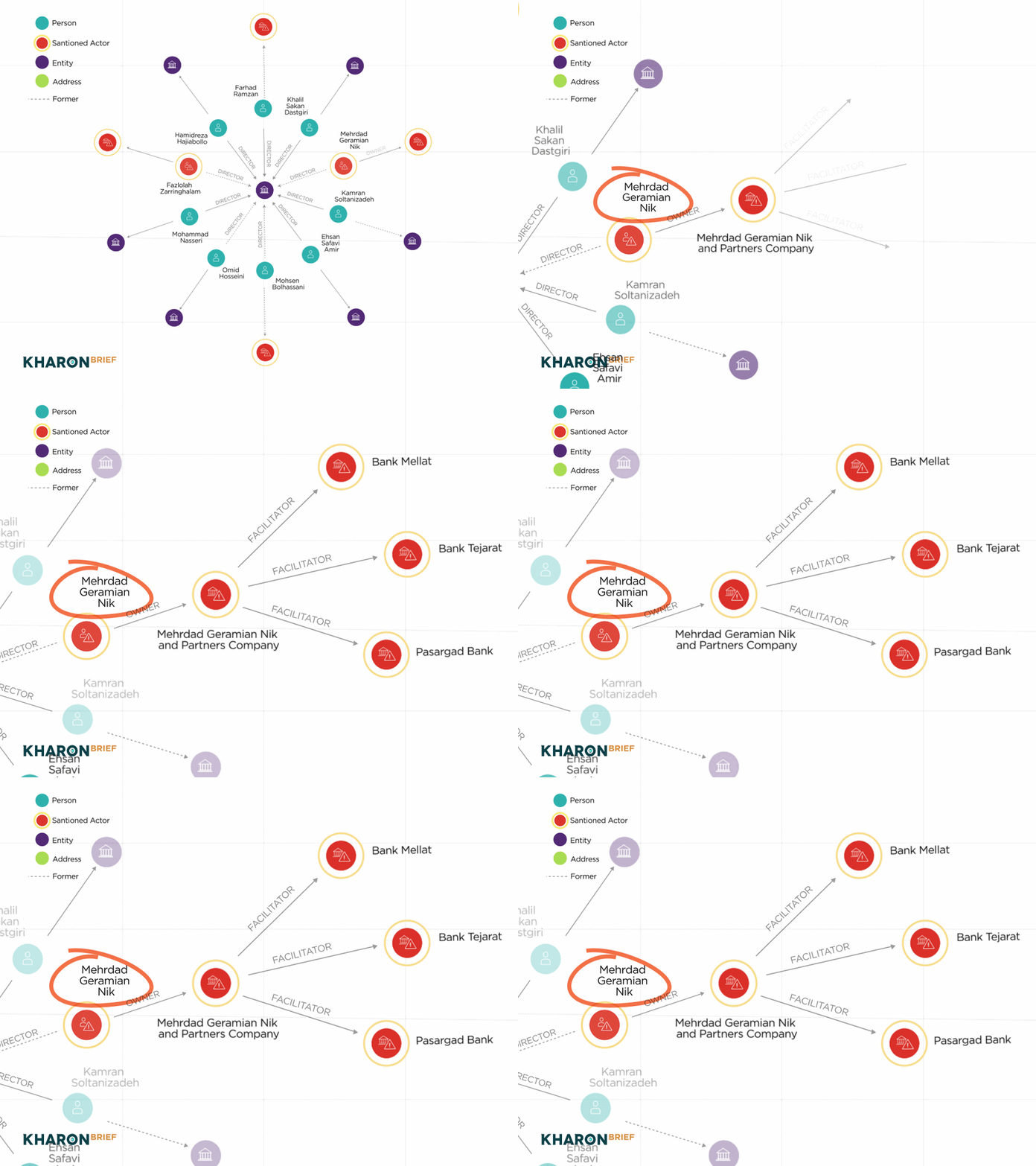
His privately owned exchange, Treasury said, had facilitated transactions that moved “hundreds of millions of dollars of foreign currency on behalf of sanctioned Iranian banks,” specifically naming Bank Tejarat, Bank Mellat, and Pasargad Bank. As of early this year, it added, Geramian Nik’s exchange still “held tens of millions of dollars’ worth of foreign currency” on those banks’ behalf, despite their sanctions.
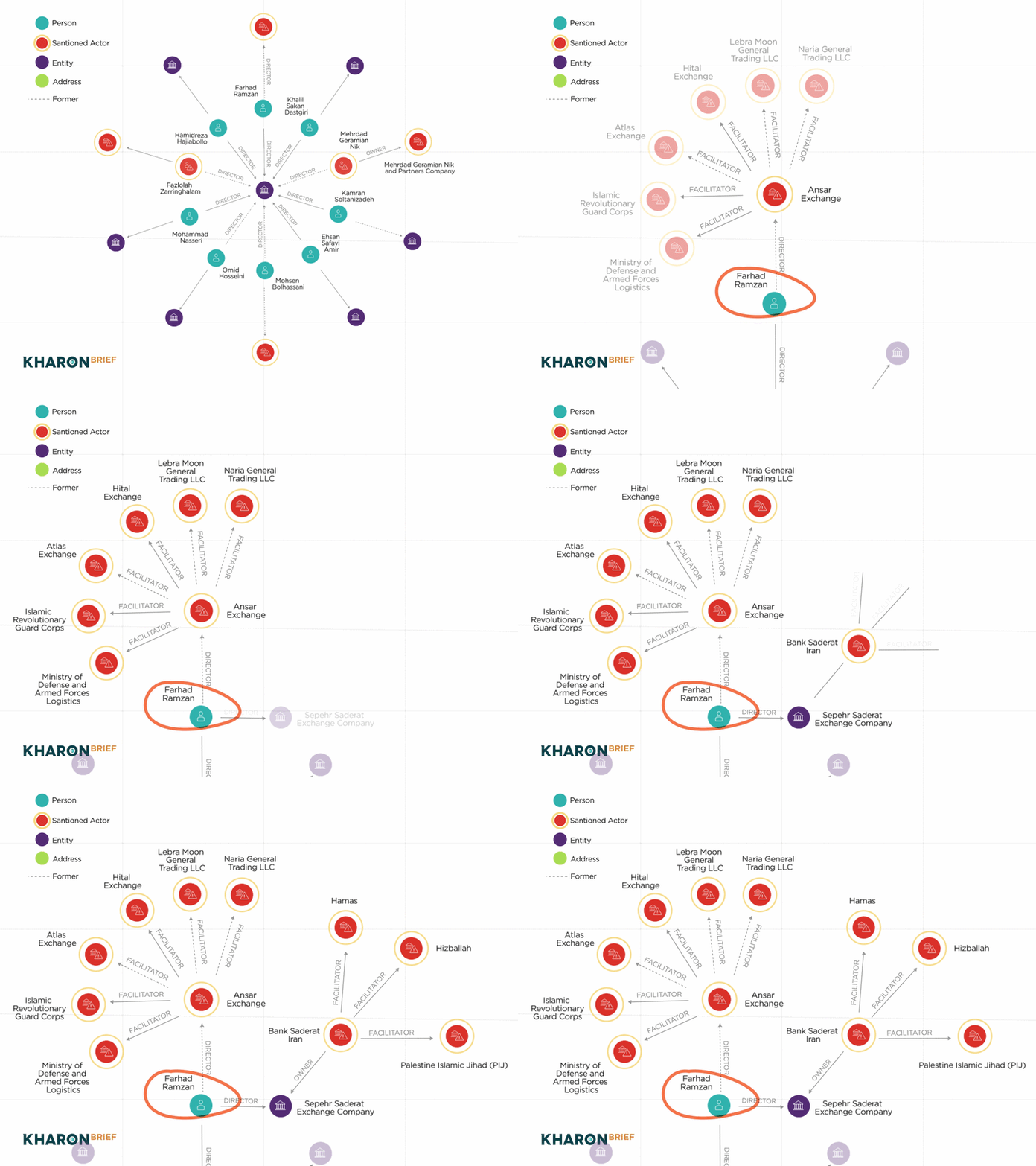
Secretary-General Farhad Ramzan, for instance, used to direct Ansar Exchange, which the U.S. sanctioned in 2019 for operating a shadow banking network benefitting Iran’s Islamic Revolutionary Guard Corps and its Ministry of Defense and Armed Forces Logistics.
Outside of the Society and his exchange, according to Iranian corporate records, Ramzan is also managing director of a subsidiary of state-owned Saderat Bank, Iran’s largest bank. The U.S. sanctioned it back in 2007, for “facilitating the transfer of funds to terrorist organizations,” including the Iran proxies Hizballlah and Hamas; the EU targeted it last year.
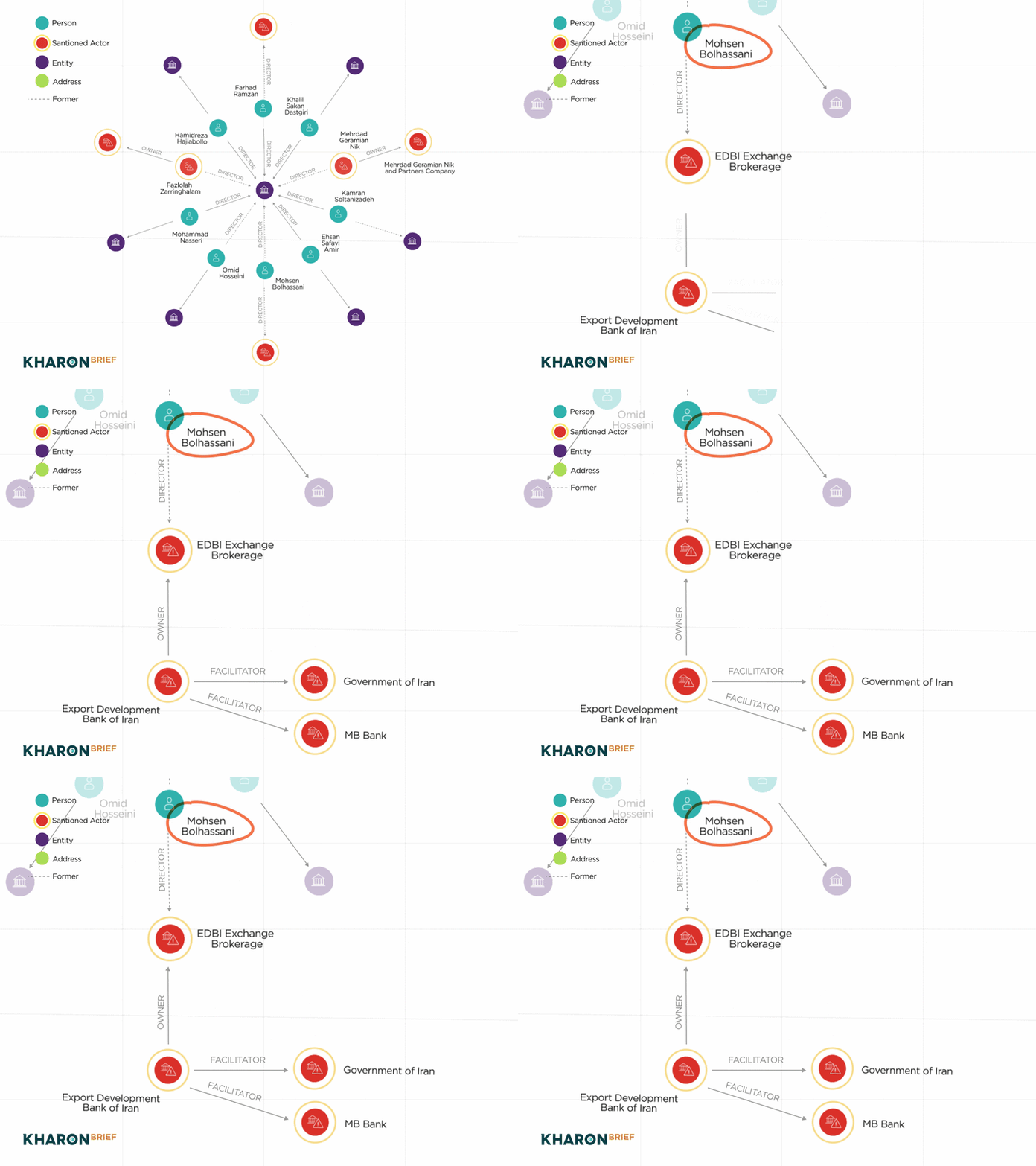
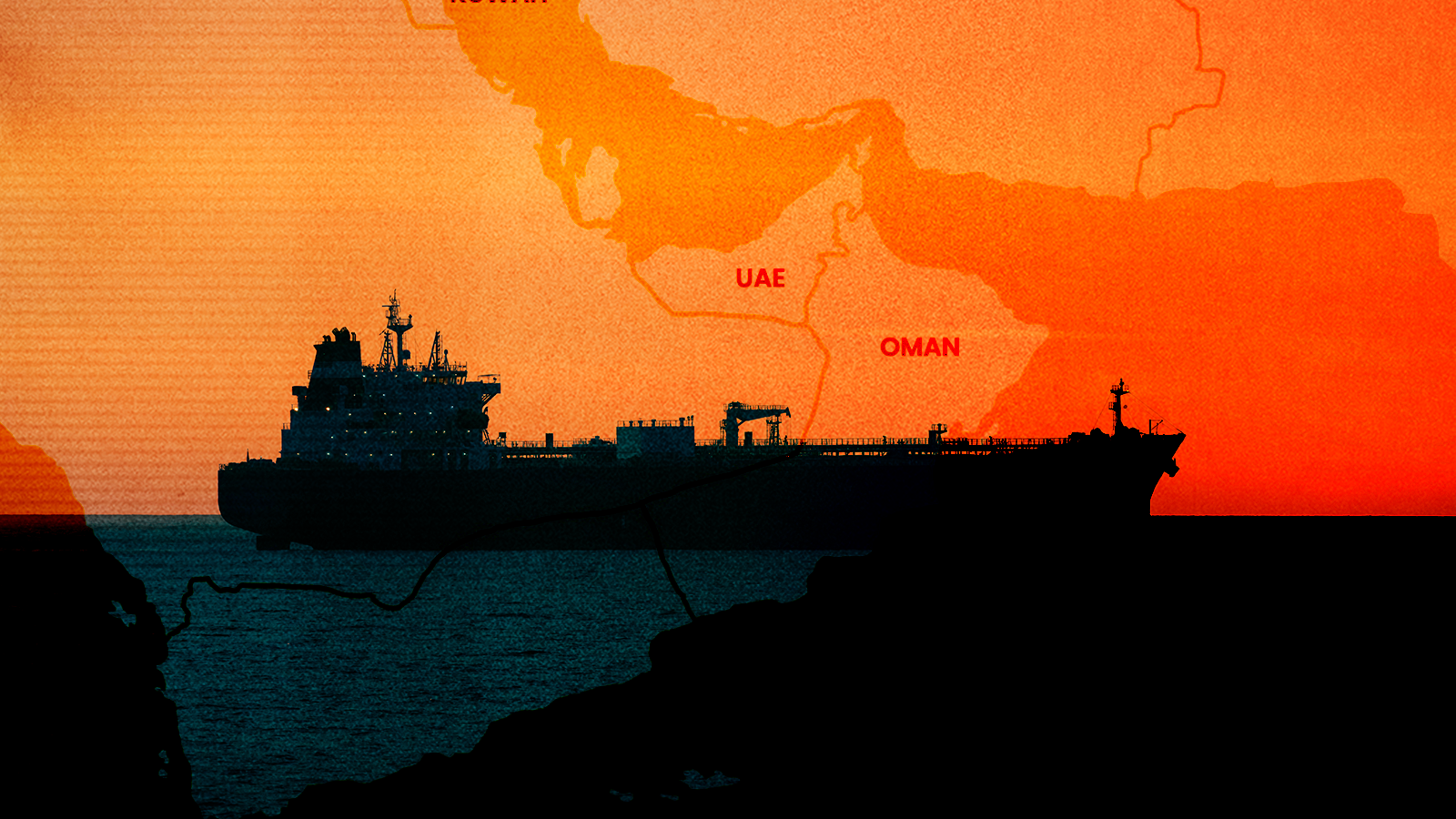
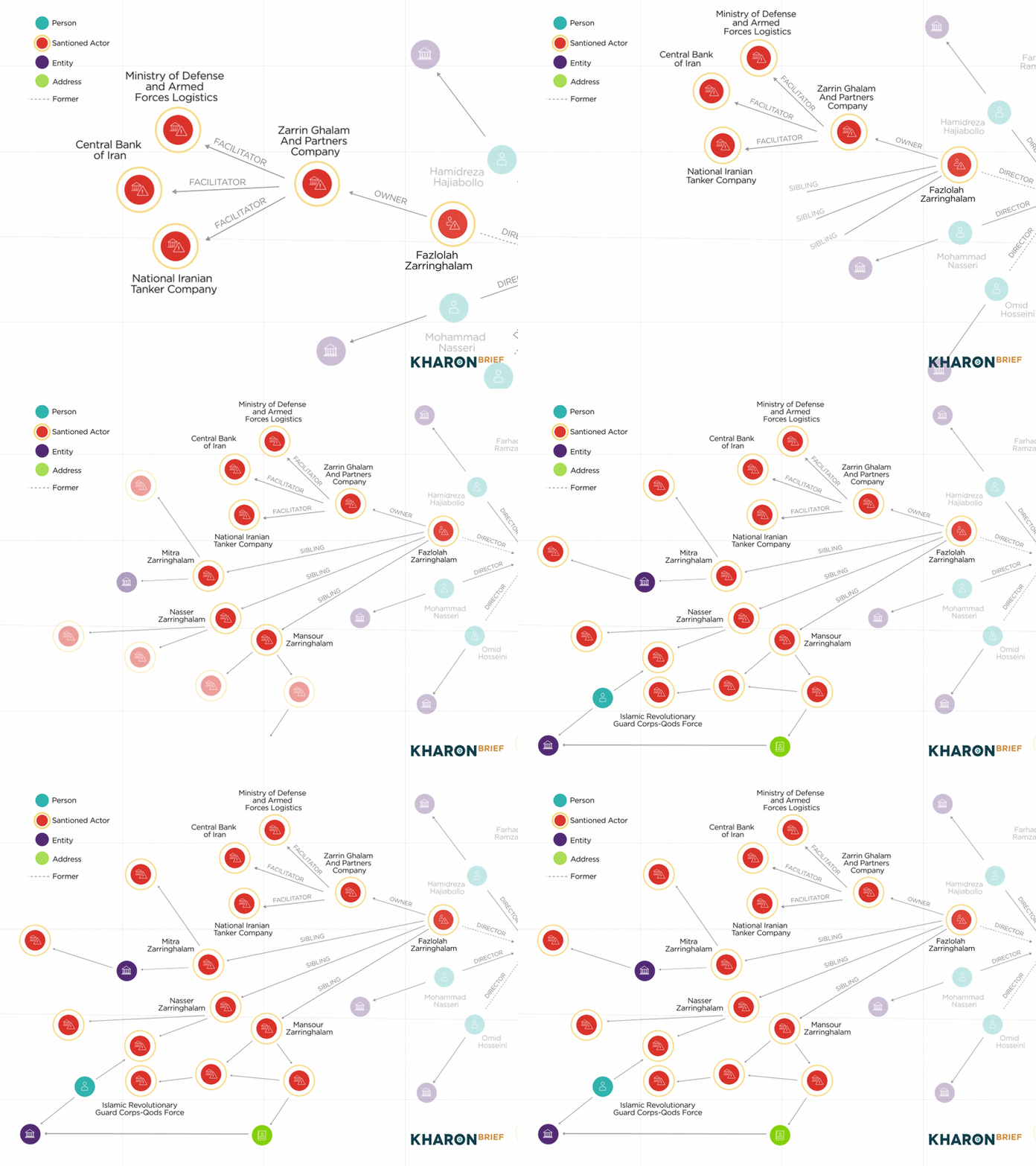
The Trump administration sanctioned him and other members of his family last June, for operating exchange houses that leveraged front companies in Hong Kong and the UAE to make and receive payments for sanctioned Iranian actors.
Treasury cited Fazlolah Zarringhalam’s role specifically in exchanging hundreds of billions of dollars’ worth of foreign currencies for Iran’s Central Bank, its defense ministry, and the oil-transporting National Iranian Tanker Company.
FinCEN red flags for shadow banking activity:
A customer who makes transactions that “move through multiple exchange houses and/or trading companies, adding additional fees and costs as the transactions progress,” in a pattern that does not reflect “standard and customary commercial practices.”
An exchange house or trading company in a jurisdiction near Iran that “uses forged or falsified documents to conceal the identity of parties involved in transactions that will utilize regional banks’ correspondent banking relationships with U.S. financial institutions to access U.S. dollars.”
A general trading company that has bank accounts at multiple UAE financial institutions, is “registered in a commercial free trade zone in the UAE with opaque ownership,” and whose counterparties are companies mostly located in Hong Kong and/or Singapore.