The European Union hit Russia’s military-industrial complex, the oil-shipping “shadow fleet,” and the man known as Vladimir Putin’s priest with fresh wartime restrictions this week, expanding its sanctions list by another 81 entities and individuals.
Monday’s measures, which focused strictly on expanding the bloc’s asset freeze and travel ban lists, also targeted individuals the EU said were involved in the poisoning and death of Russian opposition leader Alexei Navalny. The U.K. and Canada followed on Tuesday by announcing waves of designations of their own, many along the same lines.
The European Commission has confirmed it’s already working toward its 21st larger package of sanctions against Moscow, which will include more expansive provisions. This week’s smaller EU rollout keeps up the pressure until then.
Here’s what to know.
The package notably targeted two Chinese entities for exporting military components to Russian buyers. Among them was Shenzhen Minghuaxin, a company that has exported technology and equipment to Rustakt LLC, a Russian drone manufacturer that the EU and Canada both now sanctioned.
Monday’s measures, which focused strictly on expanding the bloc’s asset freeze and travel ban lists, also targeted individuals the EU said were involved in the poisoning and death of Russian opposition leader Alexei Navalny. The U.K. and Canada followed on Tuesday by announcing waves of designations of their own, many along the same lines.
The European Commission has confirmed it’s already working toward its 21st larger package of sanctions against Moscow, which will include more expansive provisions. This week’s smaller EU rollout keeps up the pressure until then.
Here’s what to know.
Dismantling Military Supply Chains
The bulk of the new listings target Russian military supply chains. In line with recent enforcement trends aimed at third-country circumvention, the EU designated both Russian military manufacturers and international intermediaries accused of funneling critical components to Russia.The package notably targeted two Chinese entities for exporting military components to Russian buyers. Among them was Shenzhen Minghuaxin, a company that has exported technology and equipment to Rustakt LLC, a Russian drone manufacturer that the EU and Canada both now sanctioned.
- What Kharon research has shown: almost 400 such shipments from Minghuaxin to Rustakt between July 2023 and April 2024, as well as other Minghuaxin exports of electronic items to Russian and Belarusian companies.
- Minghuaxin’s listed majority owner, Wang Dinghua, owned a small stake in Rustakt as of last fall, too, the Financial Times reported.
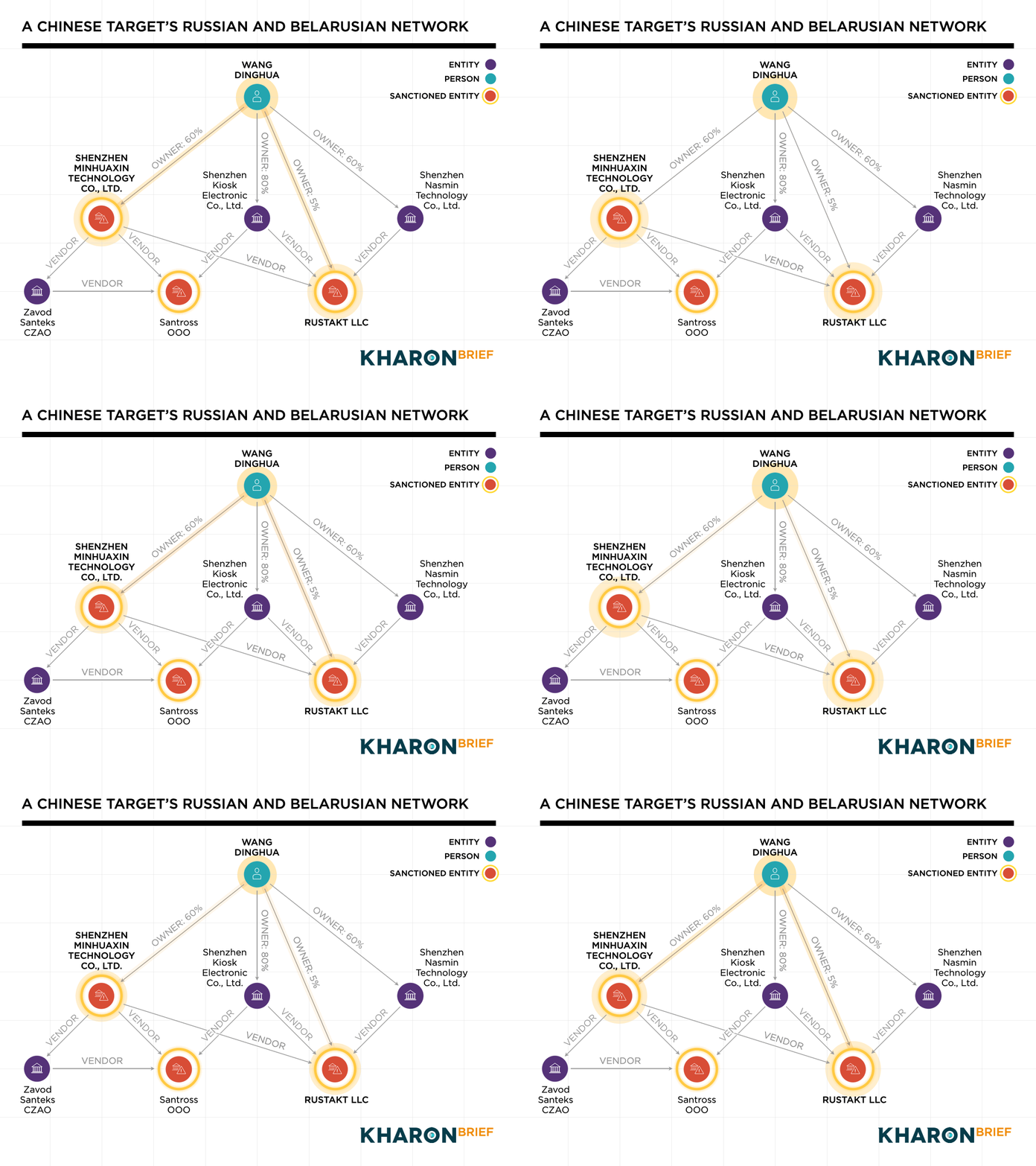
Kharon users can explore networks like this one through the ClearView platform.
Big picture: These designations arrive at a complex moment for EU-China relations. The decision to penalize additional Chinese firms risks intensifying diplomatic friction, particularly following formal complaints from Beijing after its companies were targeted in the EU’s 20th sanctions package in April.
A separate proposal in Brussels to diversify strategic supply chains away from China has only added to those tensions. The EU on Monday said it was also studying reports that the Chinese military has trained Russian soldiers to fight in Ukraine.
The U.K.’s measures took the same tack. They targeted entities and individuals in Russia, China, Thailand, and Turkey for allegedly importing military tech for Moscow.
Key individuals sanctioned included:
Canada’s package, which Prime Minister Mark Carney said hit 162 “assets of the Russian warm machine,” included sanctions against vessels and the maritime operators Nova Shipmanagement and Citrine Marine, whose shadow-fleet network The Brief mapped in February.
Its proposed measures include:
A separate proposal in Brussels to diversify strategic supply chains away from China has only added to those tensions. The EU on Monday said it was also studying reports that the Chinese military has trained Russian soldiers to fight in Ukraine.
The U.K.’s measures took the same tack. They targeted entities and individuals in Russia, China, Thailand, and Turkey for allegedly importing military tech for Moscow.
- In the crosshairs: the Russian firm LLC Neptune Co Ltd, which the U.K. described as a front company for the GRU “involved in covertly procuring western technology for Russia’s military.” It sanctioned 10 military intelligence officers along with it.
Continuing to Ground the ‘Shadow Fleet’
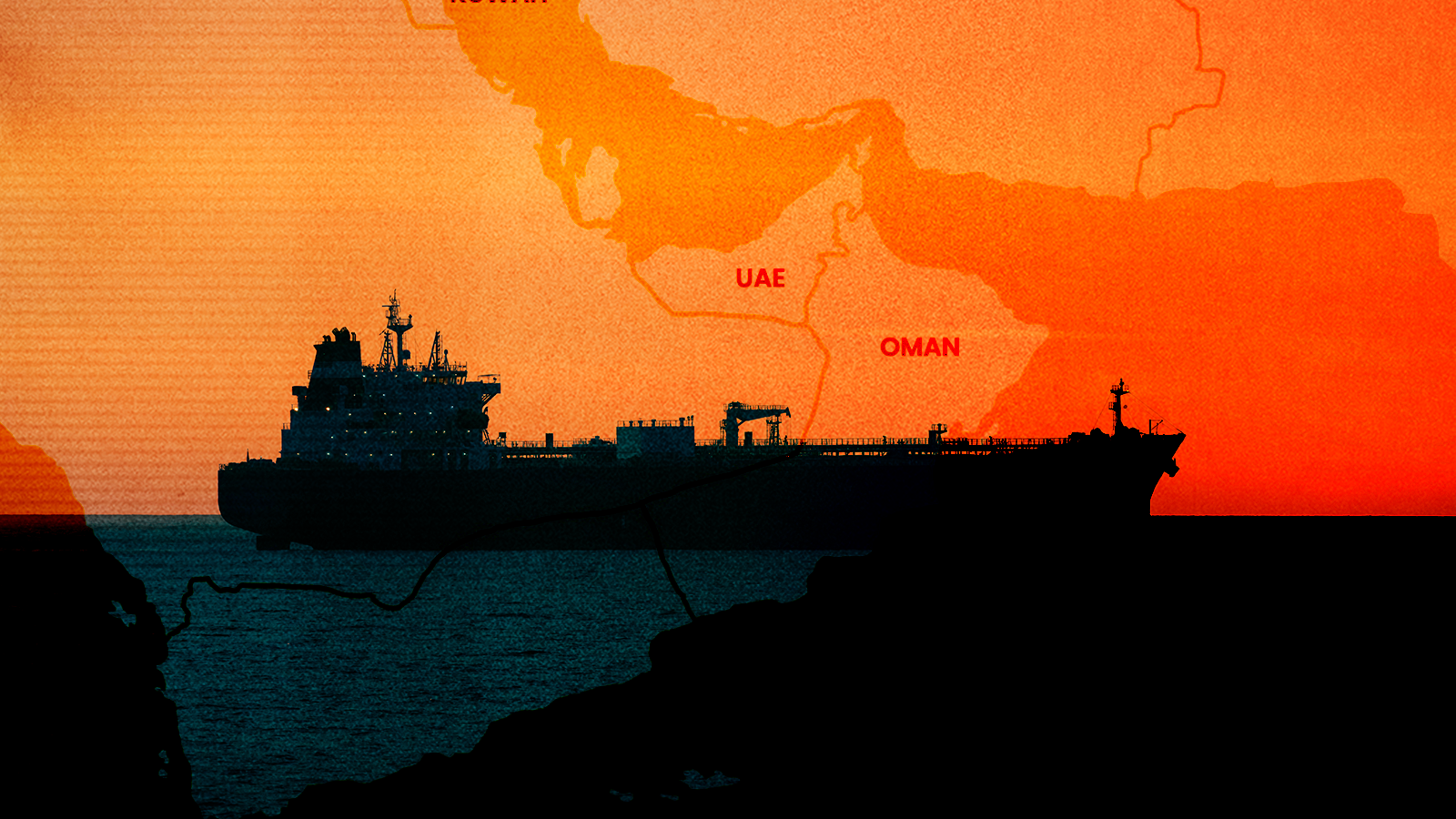
The EU expanded its campaign against facilitators of the shadow fleet, the network of aging, unaccountable tankers used to ship Russian oil above the oil price cap.Key individuals sanctioned included:
- The Azerbaijani national Tahir Garayev, a founder of the oil-trading 2Rivers Group, formerly known as Coral Energy. The EU sanctioned it last year for “enabl[ing] shipments and export of Russian oil, notably from Rosneft, by concealing the actual origin of the oil.”
- The maritime insurance broker Konstantin Valerievych Rogach, a Russian-Israeli citizen. The EU said he had facilitated insurance coverage and provided “administrative consultancy” to shadow fleet vessels through a “network of shell companies.”
- Zoom in: While Brussels officially maintains that it does not impose secondary sanctions — and even utilizes a “blocking statute” to shield EU firms from the extraterritorial reach of U.S. measures — these latest designations function in a similar manner. By blocking entities in third countries for aiding Russian procurement and oil sales, the EU effectively forces global companies to choose between trading with Moscow or maintaining access to the European market.
Canada’s package, which Prime Minister Mark Carney said hit 162 “assets of the Russian warm machine,” included sanctions against vessels and the maritime operators Nova Shipmanagement and Citrine Marine, whose shadow-fleet network The Brief mapped in February.
Propaganda, Navalny Accountability, and Financial Circumvention
The remainder of the EU’s listings addressed disinformation and propaganda and human rights violations.- The EU sanctioned 10 individuals and one entity for spreading Russian state propaganda “justifying its war of aggression,” with targets ranging from digital influencers to the Russian Orthodox bishop Georgiy Shevkunov, whom Russian media has described as Putin’s “confessor” and “personal priest.”
- It also designated 15 individuals and one entity across the Russian state apparatus for their alleged involvement in Navalny’s prosecution, poisoning, and 2024 death. Those sanctioned include members of the Federal Security Service (FSB), alongside judges, prosecutors, law enforcement officers, and medical personnel.
- Several of these newly designated entities are linked to the A7 network and had previously been sanctioned by the U.S. Others the U.K. targeted in the same network Tuesday, such as Pilot Finance Limited, had not been placed on any previous government sanctions list.
What’s Coming Next
The EU’s 21st sanctions package, expected to be issued by July, will aim to structurally tighten energy restrictions on Moscow.Its proposed measures include:
- Holding the oil price cap at its current level until January 2027, to prevent adjustments to rising market prices that would boost Moscow's revenues.
- Blacklisting additional vessels and banning the sale of LNG tankers to Russian buyers.
- Targeting auxiliary infrastructure essential for Russian oil logistics, including specific ports, airports, and refineries.
- Banning transactions with additional Russian and foreign banks, cryptocurrency service providers, and oil traders that have facilitated sanctions circumvention.
- Stopping the import and export of certain military-related technologies, as well as metals, car parts, and fish products.
Read more from The Brief: