The U.K. fined the London unit of a U.S. travel-tech firm £1 million ($1.32 million) last week for a “most serious” violation of Russia sanctions, marking the country’s largest such penalty since the 2022 invasion of Ukraine and its first for sanctions circumvention.
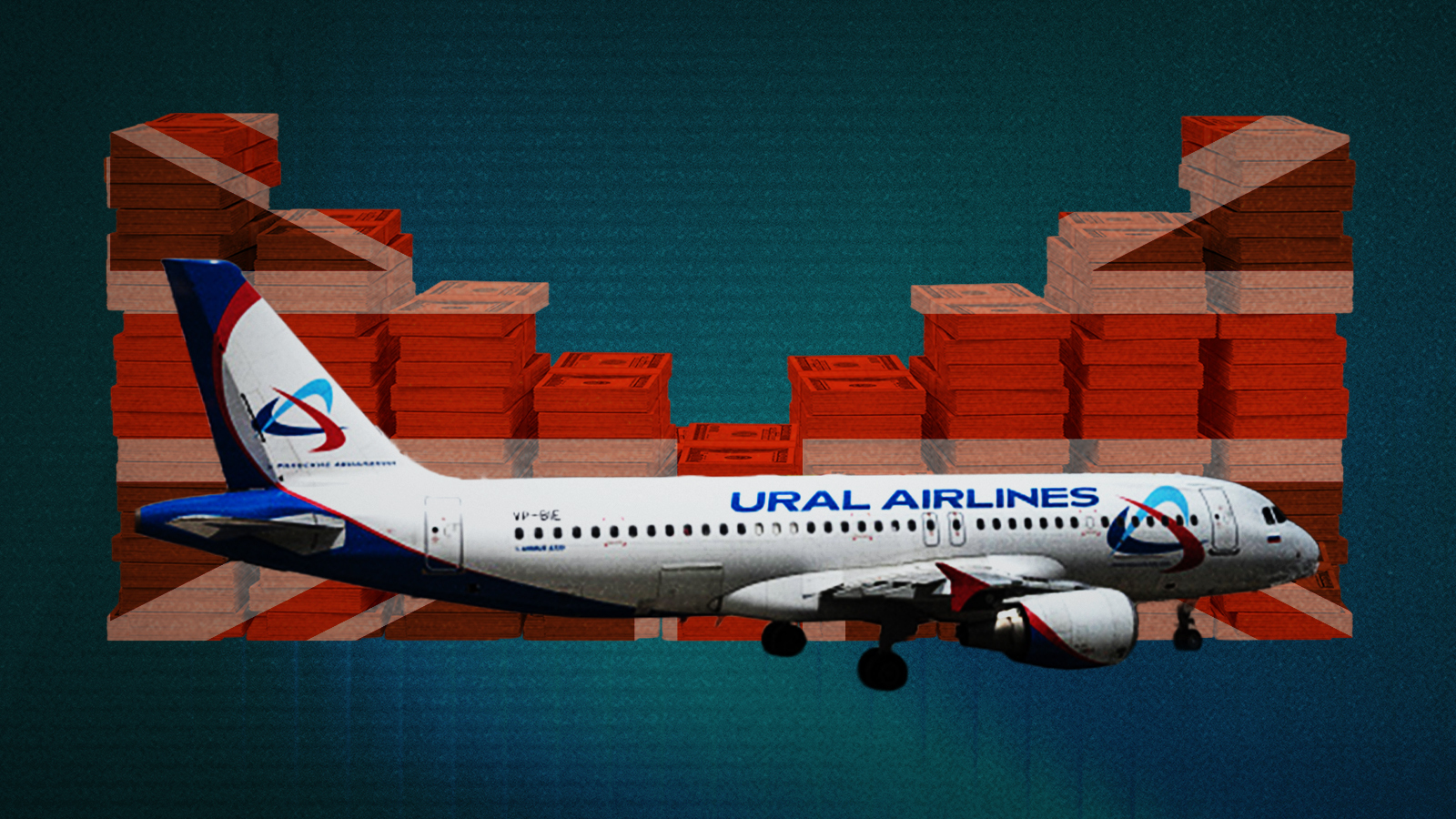
The violations concerned software and business dealings in 2022 by Sabre Global Technologies Group (SGTL) that the U.K. said had granted a designated Russian airline “a significant financial benefit,” undermining sanctions.
The wrinkle: SGTL didn’t send the airline any money, nor ship it a tangible good. Instead, the U.K.’s Office of Financial Sanctions Implementation (OFSI) hit the company with its record penalty for trying to obtain payment for access to a digital platform.
What happened:
But, under U.K. law, invoicing a designated entity can violate sanctions because discharging a debt obligation fundamentally rearranges financial balances for their benefit.
What had gone wrong: gaps in personnel, communication, and compliance systems.
Key takeaways: Providing software or another intangible service requires the same screening — and carries the same legal gravity — as handing over cash or physical goods. And even attempting to circumvent U.K. sanctions through third-country channels can draw a serious, and embarrassing, penalty.
“Those who seek to evade our sanctions regime and support [Vladimir] Putin’s cronies should be in no doubt,” Prime Minister Keir Starmer said in a statement. The U.K. “will come after you.”
Read more from The Brief:
The violations concerned software and business dealings in 2022 by Sabre Global Technologies Group (SGTL) that the U.K. said had granted a designated Russian airline “a significant financial benefit,” undermining sanctions.
The wrinkle: SGTL didn’t send the airline any money, nor ship it a tangible good. Instead, the U.K.’s Office of Financial Sanctions Implementation (OFSI) hit the company with its record penalty for trying to obtain payment for access to a digital platform.
What happened:
- The U.K. sanctioned JSC Ural Airlines in May 2022, citing its status as one of Russia’s largest airlines. The same day, OFSI said, it informed SGTL, which had had a contract to supply Ural Airlines since 2007.
- SGTL allowed Ural Airlines to maintain access to its Global Distribution System (GDS) service until December 6, 2022, OFSI said, nearly seven months later. The agency valued that ongoing software access alone at £2.1 million ($2.57 million).
- SGTL invoiced Ural Airlines in April, May, and June 2022 and “instructed that funds be paid into its bank account totalling $906,576.30,” or around £744,000. SGTL’s U.K. bank then froze the funds.
- SGTL “actively explored” workarounds to receive the sanctioned airline’s GDS service fees, OFSI said. The company “engaged with its US bank to determine whether payments from Ural Airlines could be received into their US bank account, explicitly referencing prior sanctions problems with its UK bank account.”
- Hoping to route the full outstanding charge through the U.S., SGTL then arranged for Ural Airlines to send a “test payment” of $200 to its U.S. account.
- Invoicing the airline for pre-existing debt violated Regulation 13 (making funds available for the benefit of a designated person).
- Continuing to provide GDS access after the airline’s designation violated Regulation 14 (making economic resources available to a designated person).
- The $200 test payment violated Regulation 19 (circumvention).
But, under U.K. law, invoicing a designated entity can violate sanctions because discharging a debt obligation fundamentally rearranges financial balances for their benefit.
What had gone wrong: gaps in personnel, communication, and compliance systems.
- At the time of the violations, OFSI wrote, the company was going through a restructuring and lacked a permanent chief legal officer or chief compliance officer. Its legal team was also “short-staffed,” delaying internal escalations.
- The “senior responsible officer,” OFSI said, “misunderstood which entity within the Sabre group held the contract with Ural Airlines and, while transitioning out of the role, did not escalate key information.”
- Lastly, SGTL’s sanctions protocols had “emphasised general procedures and US sanctions requirements rather than UK-specific regimes,” OFSI said. And though the government notified SGTL when its customer was sanctioned, the company’s sanctions screening software “did not automatically flag the relevant designation to the compliance team, further contributing to the delay in identifying and addressing the issue.”
Key takeaways: Providing software or another intangible service requires the same screening — and carries the same legal gravity — as handing over cash or physical goods. And even attempting to circumvent U.K. sanctions through third-country channels can draw a serious, and embarrassing, penalty.
“Those who seek to evade our sanctions regime and support [Vladimir] Putin’s cronies should be in no doubt,” Prime Minister Keir Starmer said in a statement. The U.K. “will come after you.”
Read more from The Brief: