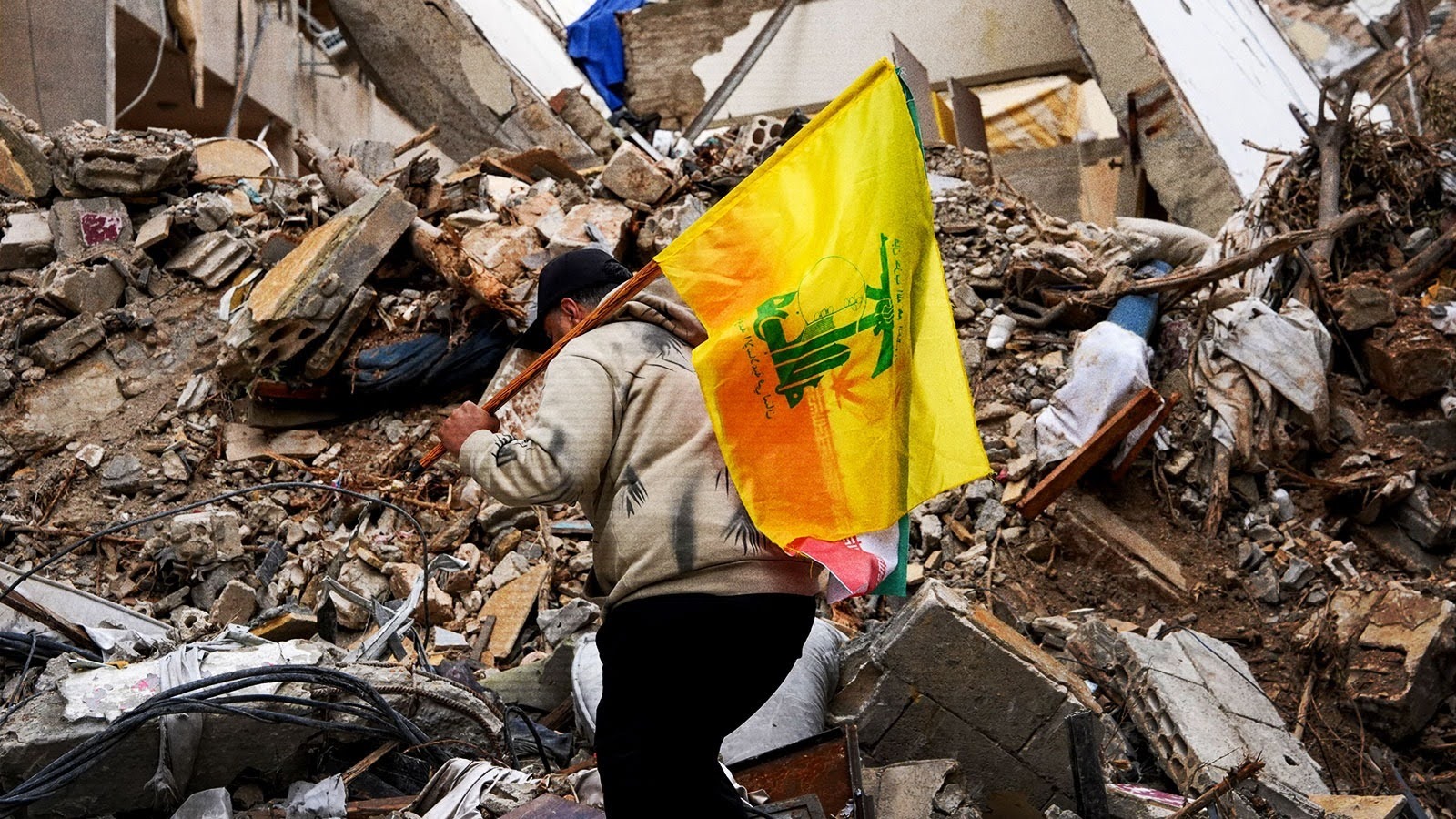
Hizballah is on its heels. As war with Israel continues to degrade its military and financial power, the Iranian proxy group is increasingly relying on its international networks of agents, financiers and procurement channels to survive, U.S. analysts say.
That’s one of the reasons why the U.S. has stepped up pressure against Hizballah with a yearlong barrage of sanctions, seeking to choke the flow of funds and goods that could help it revive. In March, the U.S. Treasury Department designated 16 individuals and entities led by Hizballah financier Alaa Hassan Hamieh, saying they collectively diverted more than $100 million to the Iranian-backed terror group, trafficked arms and acted as a procurement channel.
A Kharon investigation, however, found a cluster of additional companies tied to the Hameih network whose links to Hizballah, analysts say, signal a risk they could help the group retain access to critical technology and Western financial systems.
“In terms of experience and track record, Hizballah links overseas have been used to launder money, move funds, procure technology, place members overseas, and facilitate their entry and exit,” said Emanuele Ottolenghi, a senior fellow at the Center for Research of Terror Financing, a research institute founded by former Israeli military and intelligence officers. “That is certainly part of the risk assessment with these networks.”
A California corporate connection
Among the “Hizballah-associated” companies that Treasury named in March as part of Hameih’s network was Slovenia-based Calllync Telekomunikacijske Storitve, whose business development manager was sanctioned last year for his role as a Hizballah financier.
That’s one of the reasons why the U.S. has stepped up pressure against Hizballah with a yearlong barrage of sanctions, seeking to choke the flow of funds and goods that could help it revive. In March, the U.S. Treasury Department designated 16 individuals and entities led by Hizballah financier Alaa Hassan Hamieh, saying they collectively diverted more than $100 million to the Iranian-backed terror group, trafficked arms and acted as a procurement channel.
A Kharon investigation, however, found a cluster of additional companies tied to the Hameih network whose links to Hizballah, analysts say, signal a risk they could help the group retain access to critical technology and Western financial systems.
Why it matters
Current and former national security officials have warned that Hizballah leverages ostensibly legitimate international business networks indirectly tied to the terror group for its own ends.“In terms of experience and track record, Hizballah links overseas have been used to launder money, move funds, procure technology, place members overseas, and facilitate their entry and exit,” said Emanuele Ottolenghi, a senior fellow at the Center for Research of Terror Financing, a research institute founded by former Israeli military and intelligence officers. “That is certainly part of the risk assessment with these networks.”
- For example: When Treasury in 2023 sanctioned one of the men involved in the 1994 terror attack in Argentina, senior Hizballah operative Amer Mohamed Akil Rada, officials and Western intelligence analysts alleged that he and his family for years had used a network of businesses across Latin America to raise funds and move money for the group. Those dealings included charcoal exports from Colombia, a crypto firm in Venezuela, and international fruit trading as cover for narco-trafficking.
A California corporate connection
Among the “Hizballah-associated” companies that Treasury named in March as part of Hameih’s network was Slovenia-based Calllync Telekomunikacijske Storitve, whose business development manager was sanctioned last year for his role as a Hizballah financier.
- (The U.S. has issued a $10 million reward for information related to that manager’s brother, Muhammad Qasim al-Bazzal, calling him a key Hizballah financier and intermediary for the group’s Iranian sponsors.)
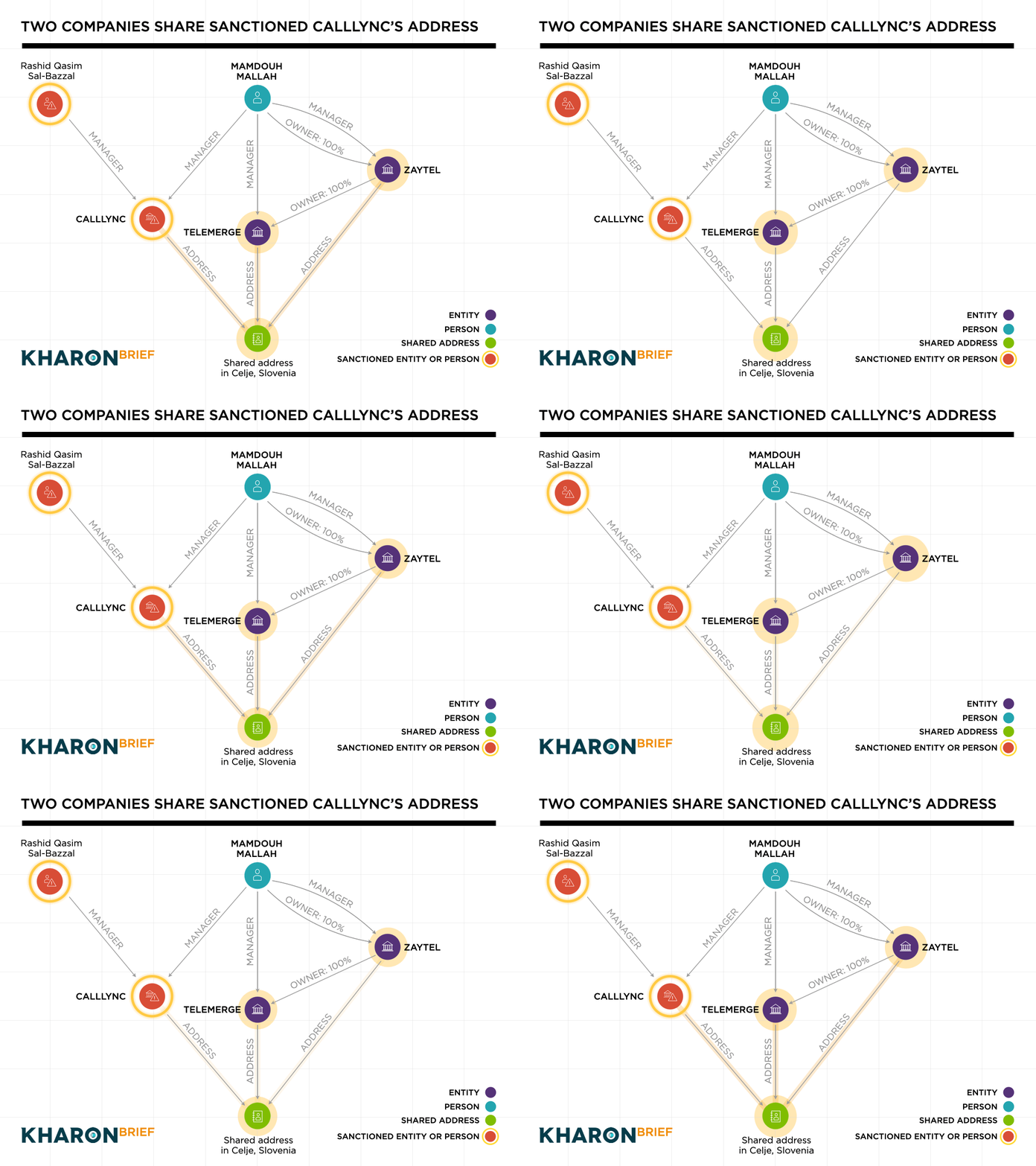
According to corporate records reviewed by Kharon, Calllync shares an address in Celje, Slovenia, with two telecom firms not targeted by Treasury. Mamdouh Mallah, a Lebanese national who has been listed in promotional materials as Calllync’s chief executive, is also listed in corporate records as a director at both these other companies.

2023 Calllync promotional materials depict Mamdouh Mallah and Rasheed al-Bazzal, who was sanctioned by the U.S. last year as a Hizballah financier. (LinkedIn)
- One of them, Zaytel, says on its LinkedIn page that it is “rooted in the expertise and legacy of its predecessor, CALLLYNC,” and promotional material it’s posted within the past year has included the CALLLYNC Group logo. According to a Zaytel website, one of the company’s partners is China Mobile, a state-owned company that the U.S. added in 2020 to a list of Chinese military companies, an addition that restricted securities investments.
- A Calllync website also lists as one of its global offices a business called Wireless Innovation Solution in Acadia, California. Founded in 2006 and registered as active with the California Secretary of State, the firm’s now-archived website said that it provided global wireless technology services, including the design and installation of broadband systems, two-way radio networks, and advanced security surveillance infrastructure. According to municipal and county records, Wireless Innovation Solution has been a local government telecoms subcontractor in the last several years and is currently certified by the City of Los Angeles as an approved contractor.
After sending Mallah a request for comment, a Kharon review found he had removed a reference to his prior role as CEO of CALLLYNC from his LinkedIn profile.
Connecting the dots: Corporate records show Mallah is also the former owner of Triplet Data Networks and Telecommunications Ltd (TDNT), a Cyprus-registered telecoms company with a Lebanese address. TDNT is now fully owned by Mustafa Assaf, a founding shareholder of one of the sanctioned Calllync units.
TDNT says it offers “exclusive” SMS routes—mobile phone infrastructure that can give its users private, parallel telecoms networks— across Central Asia, Africa, and the Middle East, including in Iran, Iraq, and Afghanistan.
- (In an emailed statement, Assaf said TDNT services “are standard, regulated, and mainstream telecommunications services offered by hundreds of companies worldwide, including the largest global operators. There is nothing unusual, private, or covert about these services.”)
Analysts say the 2024 IDF pager attack against Hizballah operatives underscored the strategic importance of controlling its telecoms infrastructure.
- Assad said TDNT has no ties to any sanctioned entity, “has no connection to Hizballah or any terrorist organization, directly or indirectly, and has never been approached, contacted, or solicited by any such entity.”
Family, Chinese, and U.S. ties
Besides the companies’ shared ownership ties, two of TDNT’s senior engineering and account managers previously worked at Calllync, according to their Linkedin profiles. Several were former employees of another telecoms company, Tecomsa, that Kharon identified as having familial and other ties to Hizballah agents.Registered in Cyprus and Lebanon, Tecomsa had a Michigan-based unit that it dissolved last year, according to corporate records. But it still maintains a U.S. presence through two U.S. representatives.
Founder’s ties: According to corporate records, Tecomsa was founded by Lebanese electrical engineer Mohamad Baker Diab. An Israeli military strike killed Diab in 2024, while he was traveling with Ali Hodroj, a man whom local media and former Israeli intelligence officials said was a Hizballah operative allegedly involved with the group’s electronic warfare unit.
Mohamad Diab’s brother, Hassan Diab, subsequently took control of the firm as chief executive, according to corporate records and social media posts. Hassan Diab’s father-in-law is a senior Hizballah official who served as a member of its political council.
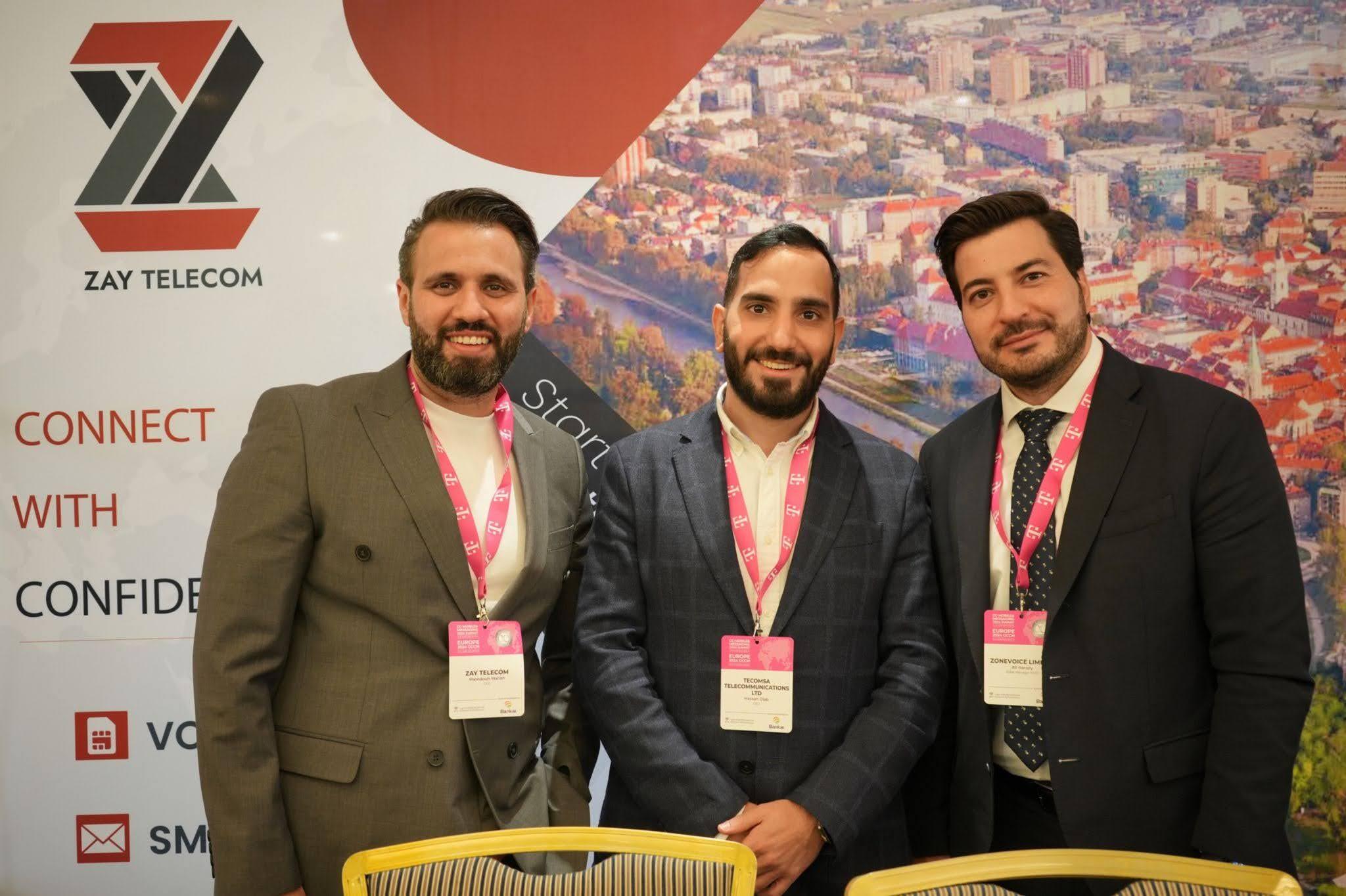
Mallah, left, poses for a photo with Tecomsa CEO Hassan Diab, center, at a 2024 telecom conference. (LinkedIn)
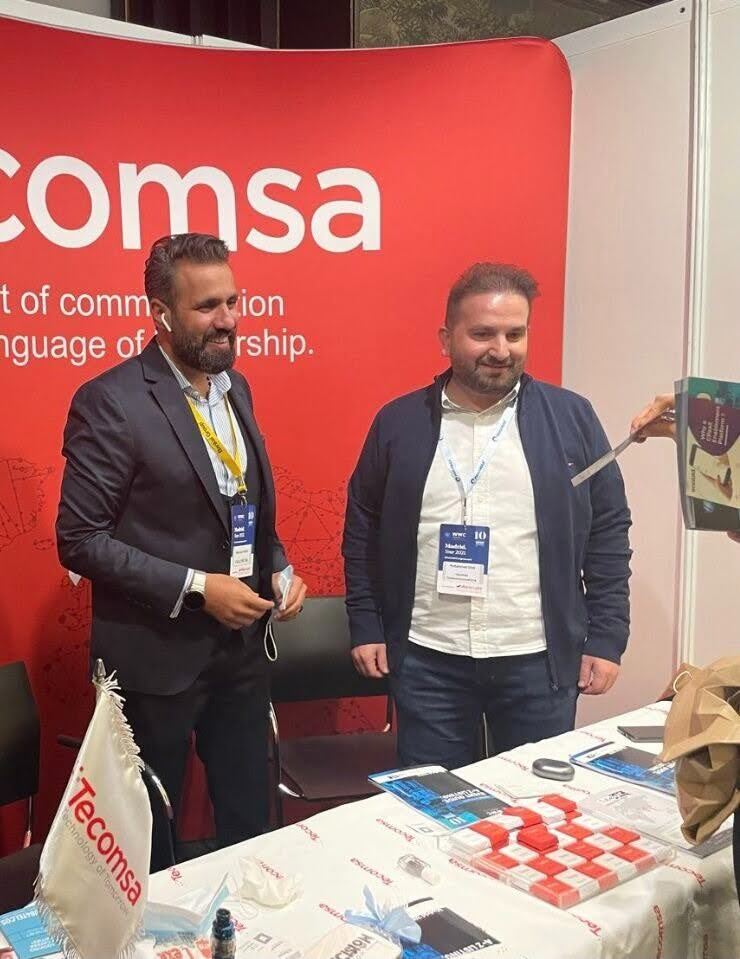
Mallah, left, with Mohamad Diab, the late founder of Tecomsa who was killed alongside a Hizballah operative in 2024, at the 2021 Wholesale World Congress in Madrid. (LinkedIn)
“Neither Tecomsa nor any of its affiliates, founders, owners, or agents maintains any business relationship with Hezbollah or any entity subject to U.S. sanctions” and “does not act as a procurement, financing, or logistical platform for any militant or sanctioned group,” Diab said in a statement to Kharon.
Tecomsa “terminated any engagement with CALLLYNC in line with its compliance policies,” he added.
Tecomsa “terminated any engagement with CALLLYNC in line with its compliance policies,” he added.
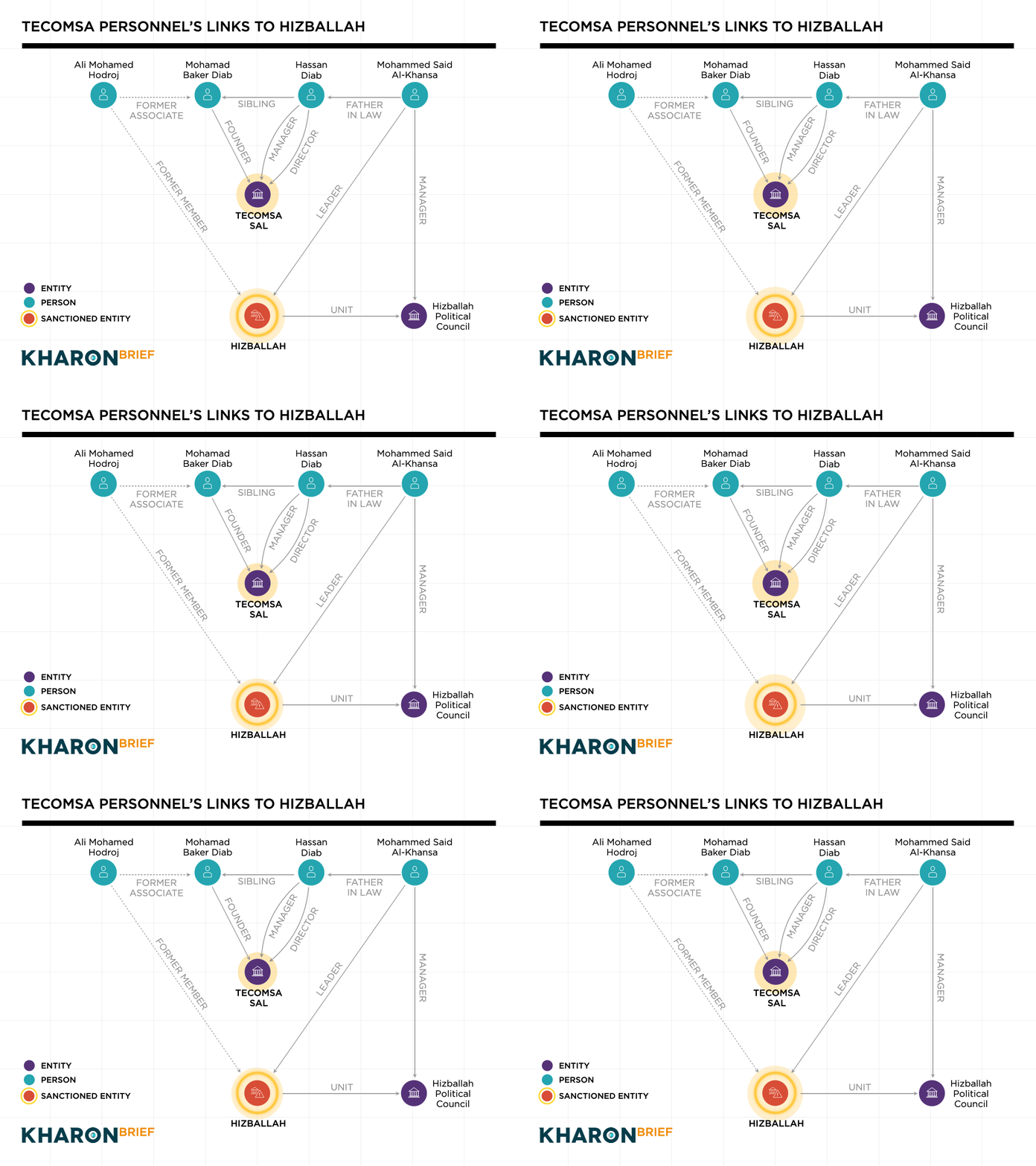
Red-flag typology: In leveraging its global networks, Hizballah has long relied on familial ties for its financing strategy. Relatives have acted as intermediaries, nominal account-holders or shareholders, helping Hizballah mask its involvement while enabling it to move large sums of money, procure goods otherwise difficult for it to obtain, and establish logistical platforms.
The companies “may be providing legitimate services,” Ottolenghi said. “But these connections make it plausible to assume that the companies are also involved in activities that are to the benefit of Hizballah.”
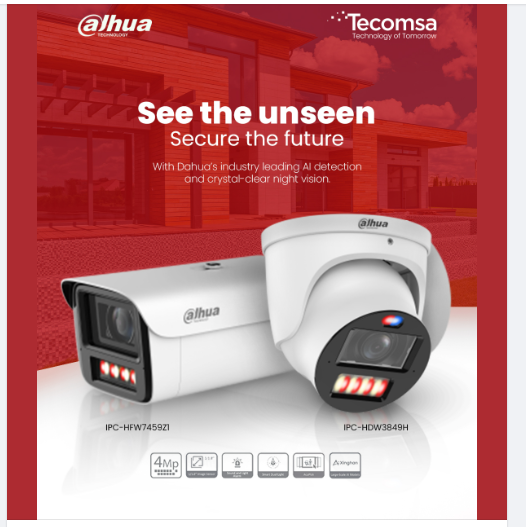
Restricted partner: Besides telecoms, Tecomsa touts other electronic products and services, including surveillance equipment from the Chinese drone and camera maker Zhejiang Dahua Technology Co.—which the U.S. has restricted on two fronts, for two different reasons.
The companies “may be providing legitimate services,” Ottolenghi said. “But these connections make it plausible to assume that the companies are also involved in activities that are to the benefit of Hizballah.”
Restricted partner: Besides telecoms, Tecomsa touts other electronic products and services, including surveillance equipment from the Chinese drone and camera maker Zhejiang Dahua Technology Co.—which the U.S. has restricted on two fronts, for two different reasons.
- The U.S. Commerce Department’s Bureau of Industry and Security added Dahua Technology to its Entity List in 2019, subjecting it to export controls for its role in China’s repression and “high-technology surveillance” of minorities.
- The Defense Department in 2022 added the firm to its list of Chinese Military Companies.
(LinkedIn)
Hassan Diab said Mohamad Diab’s “relationship with Ali Hodroji was a standard commercial relationship, as Hodroj had long served as a distributor of Dahua products in Lebanon.” He also said that Tecomsa is not involved in drone-related activities and installs security camera systems for retailers, hospitals, and residential developments.
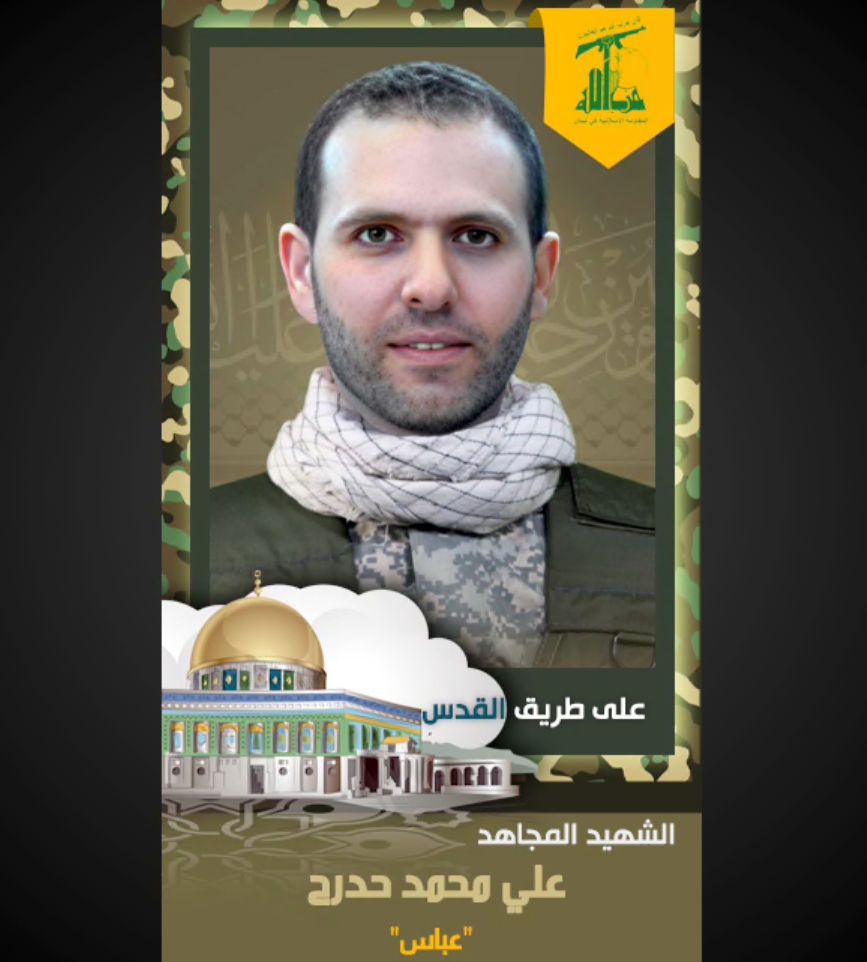
A photo commemorating Ali Hodroj's death as a Hizballah operative, published by a media outlet controlled by the group.
U.S. ventures: Tecomsa says in social media posts that it is an official “Meta Business Partner,” which the parent company of Instagram, Facebook, and WhatsApp says is awarded to companies “vetted for their technical skills and services, and their unique ability to help businesses grow.”
Both will represent Tecomsa at the International Telecoms Week conference in Baltimore this month, “engaging with global partners and exploring the latest innovations in wholesale voice and telecom solutions,” the company said in one of the posts.
“Looking to scale your connectivity business in 2026?” it asked. “Let’s connect.”
Read more from The Brief:
- (Meta did not respond to a request for comment.)
Both will represent Tecomsa at the International Telecoms Week conference in Baltimore this month, “engaging with global partners and exploring the latest innovations in wholesale voice and telecom solutions,” the company said in one of the posts.
“Looking to scale your connectivity business in 2026?” it asked. “Let’s connect.”
Read more from The Brief: