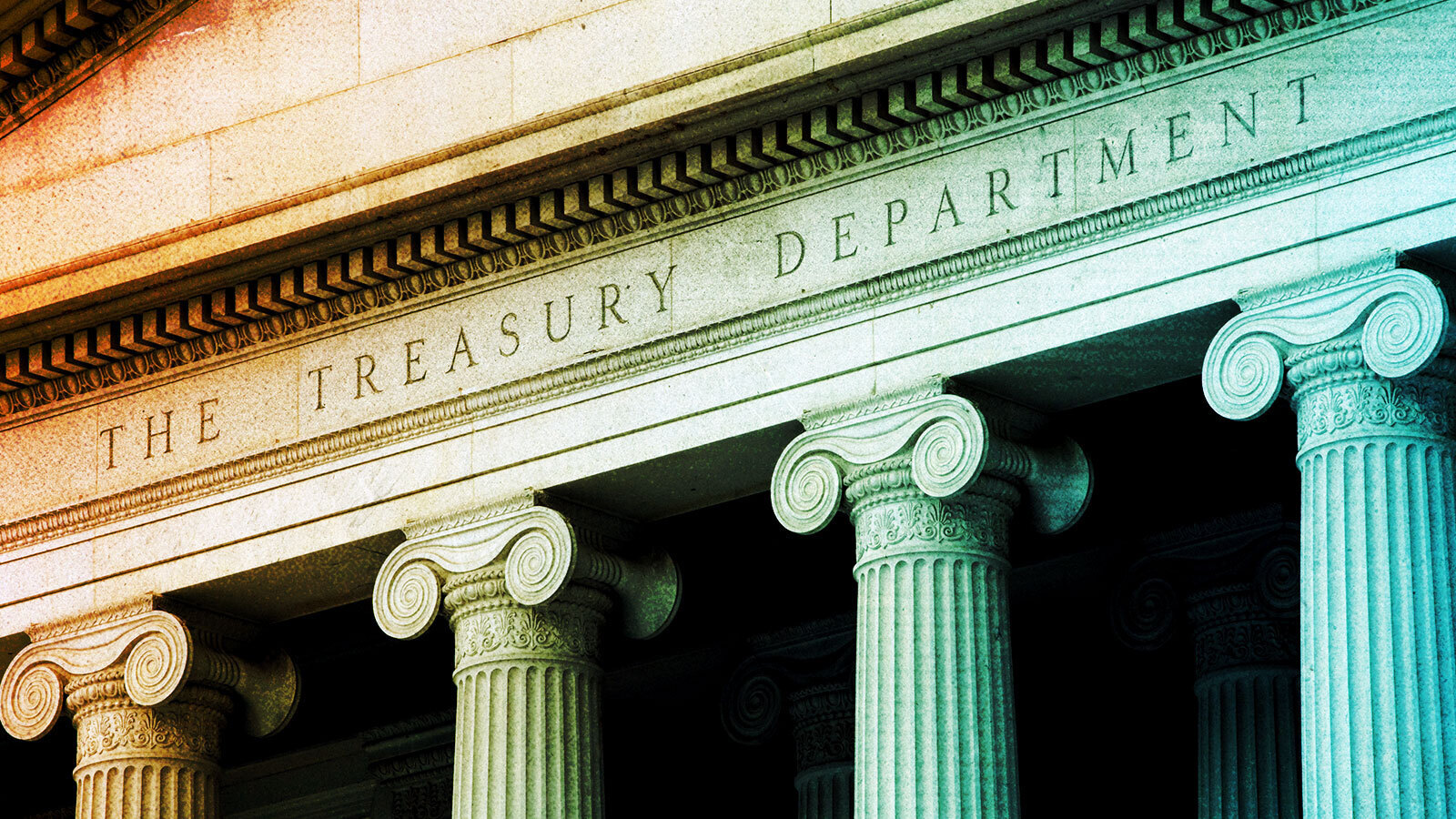
The U.S. Treasury Department this week levied its first penalty under the Outbound Investment Security Program, targeting a California company that funded a Chinese artificial intelligence firm that Kharon found has ties to the country’s military-industrial complex.
Treasury said it fined Amidi, LLC $200,000 for failing to notify the department that its Chinese subsidiary last year invested $92,478 in Shanghai Qiongche Intelligent Technology Company Limited, a firm that develops AI, robotics and embodied intelligence.
The penalty “underscores Treasury’s commitment to safeguarding U.S. national security through robust investment security measures that preserve America’s technological leadership,” Treasury Secretary Scott Bessent said in a news release announcing the action Wednesday.
One key point: Treasury did not say Amidi’s investment itself was prohibited under the program, noted Darshak Dholakia, head of the law firm Winston Taylor’s international trade practice.
“Making the first enforcement action about a failure to notify shows how seriously they take those notification obligations. It’s not just a simple reporting formality,” Dholakia said.
The company’s management did not respond to requests for comment.
How Treasury’s program works: The action marks the first use of enforcement powers granted to Treasury when it finalized its outbound investment rule in late 2024. The so-called Outbound Order seeks to establish a national security framework for regulating U.S. investment abroad into sensitive technologies, but its initial focus is on China and the development of computer chips, quantum computing, and artificial intelligence.
[Navigating Outbound Investment Risks Amid U.S. Restrictions: A Case Study]
Treasury said the program aims to “address the threat to the U.S. posed by certain countries of concern, which seek to develop and exploit sensitive or advanced technologies or products critical for military, intelligence, surveillance, or cyber-enabled capabilities.”
Clients have said, “‘We could go ahead on the basis of what we know and submit a notification. But what if we’re wrong and it’s actually prohibited? We don’t want that risk, so we won’t do the investment at all,’” Dholakia said. “So there’s an indirect chilling mechanism.”
The fact that the case involved a Chinese subsidiary also struck him as noteworthy.
Controlled foreign subsidiaries “are one of the hardest pieces for many clients to wrap their arms around,” he said, particularly given that officially proscribing investment restrictions could put those subsidiaries at odds with China’s anti-foreign sanctions law.
[Two Chinese Giants Went to Market. Why Did Wall Street Back One and Flee the Other?]
What Kharon’s research shows: Treasury provided few details in justifying its action. But the Chinese company’s ties to Beijing’s military-industrial complex may have given U.S. officials additional cause for concern.
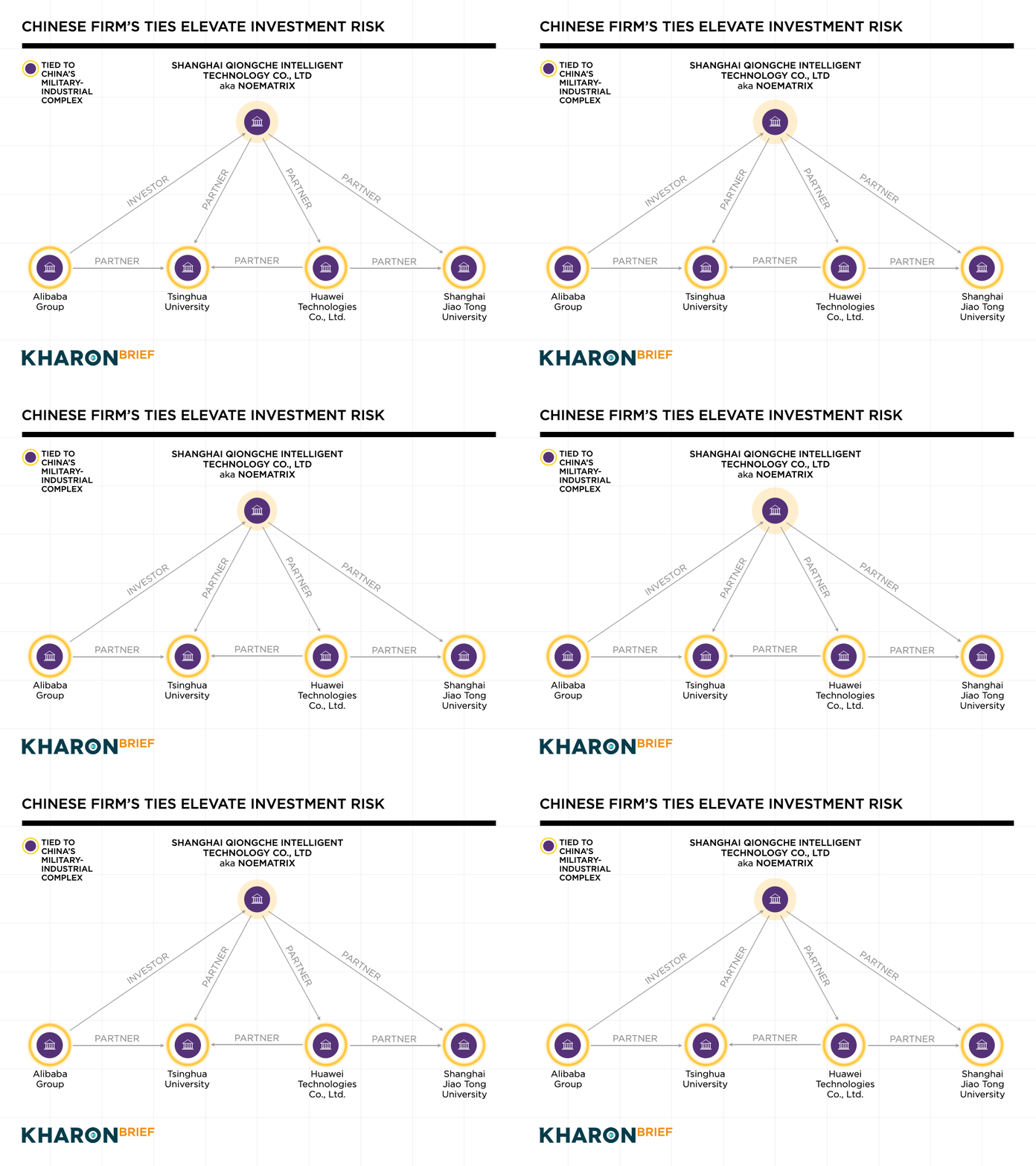
According to a Kharon review, Shanghai Qiongche Intelligent Technology, also known as Noematrix, says it partners with several Chinese entities that are on U.S. government watch lists that restrict U.S. dealings because of their military ties.
Treasury said it fined Amidi, LLC $200,000 for failing to notify the department that its Chinese subsidiary last year invested $92,478 in Shanghai Qiongche Intelligent Technology Company Limited, a firm that develops AI, robotics and embodied intelligence.
The penalty “underscores Treasury’s commitment to safeguarding U.S. national security through robust investment security measures that preserve America’s technological leadership,” Treasury Secretary Scott Bessent said in a news release announcing the action Wednesday.
One key point: Treasury did not say Amidi’s investment itself was prohibited under the program, noted Darshak Dholakia, head of the law firm Winston Taylor’s international trade practice.
“Making the first enforcement action about a failure to notify shows how seriously they take those notification obligations. It’s not just a simple reporting formality,” Dholakia said.
The company’s management did not respond to requests for comment.
How Treasury’s program works: The action marks the first use of enforcement powers granted to Treasury when it finalized its outbound investment rule in late 2024. The so-called Outbound Order seeks to establish a national security framework for regulating U.S. investment abroad into sensitive technologies, but its initial focus is on China and the development of computer chips, quantum computing, and artificial intelligence.
[Navigating Outbound Investment Risks Amid U.S. Restrictions: A Case Study]
Treasury said the program aims to “address the threat to the U.S. posed by certain countries of concern, which seek to develop and exploit sensitive or advanced technologies or products critical for military, intelligence, surveillance, or cyber-enabled capabilities.”
- Besides barring U.S. investments into acute national security technologies, the program requires U.S. investors to notify Treasury of transactions that may be allowed because they fall under computing-power thresholds and aren’t intended for military use or surveillance, but still involve the identified sensitive technologies.
- Congress late last year passed legislation that will expand the program’s jurisdiction to include investments in other countries and other technologies, including hypersonic systems — projectiles or aircraft that travel more than five times the speed of sound.
Clients have said, “‘We could go ahead on the basis of what we know and submit a notification. But what if we’re wrong and it’s actually prohibited? We don’t want that risk, so we won’t do the investment at all,’” Dholakia said. “So there’s an indirect chilling mechanism.”
The fact that the case involved a Chinese subsidiary also struck him as noteworthy.
Controlled foreign subsidiaries “are one of the hardest pieces for many clients to wrap their arms around,” he said, particularly given that officially proscribing investment restrictions could put those subsidiaries at odds with China’s anti-foreign sanctions law.
[Two Chinese Giants Went to Market. Why Did Wall Street Back One and Flee the Other?]
What Kharon’s research shows: Treasury provided few details in justifying its action. But the Chinese company’s ties to Beijing’s military-industrial complex may have given U.S. officials additional cause for concern.
According to a Kharon review, Shanghai Qiongche Intelligent Technology, also known as Noematrix, says it partners with several Chinese entities that are on U.S. government watch lists that restrict U.S. dealings because of their military ties.
- Neomatrix says on its website, for instance, that it is a “cooperative partner” with Huawei, the Chinese tech giant that the U.S. has targeted with criminal indictments, equipment bans, and sweeping export restrictions for years.
- Neomatrix has also partnered with Shanghai Jiao Tong University, an institution the U.S. in July added to its so-called 1286 list for its military ties and that Kharon previously reported was involved in hypersonic weapons research.
Up next: Treasury’s rollout of the expanded outbound investment restrictions. The administration has signaled the new rule could be published in the coming months, but it has yet to nail down a date.
Read more from The Brief: